US court approves record $1.5 billion copyright settlement between Anthropic and plaintiffs
The largest known copyright payout in history has been finalised, yet concerns persist that legal uncertainty surrounding artificial intelligence may stifle future creativity.
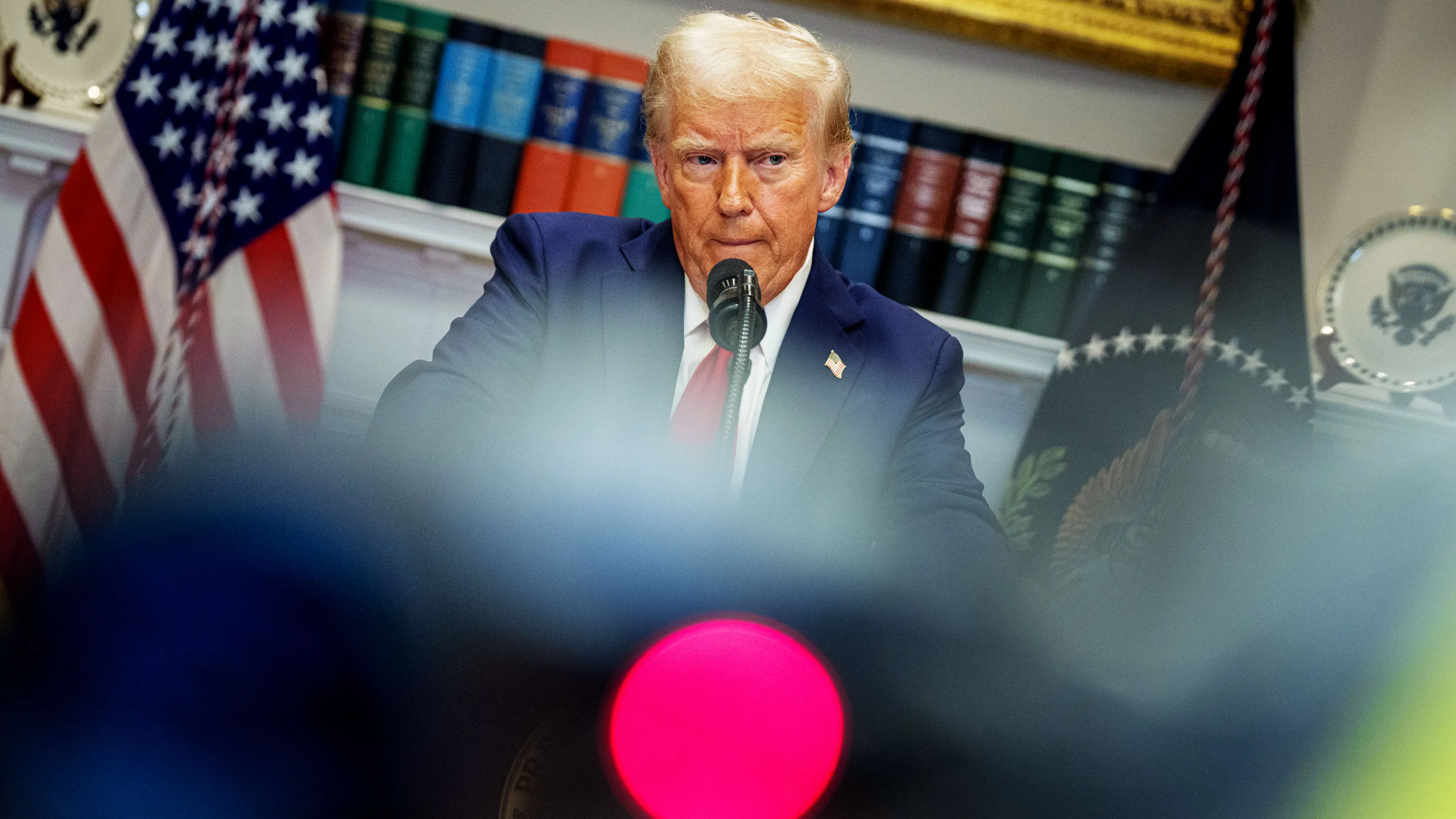
A US court has approved a $1.5 billion copyright settlement between Anthropic and a group of plaintiffs, marking the largest known copyright payout in history. The agreement resolves allegations that the artificial intelligence company utilised pirated works to train its Claude language models.
The approval of the settlement was reported on 21 July 2026 by MIT Technology Review. While the financial sum represents a historic milestone in intellectual property law, the outcome has been met with mixed reactions within the creative community.
Despite the record sum, many authors and creators do not view the outcome as a victory. The resolution addresses the core legal dispute regarding the use of copyrighted material in AI training, but it has not necessarily quelled the broader anxieties surrounding the technology’s impact on intellectual property rights.
Concerns have been raised that the legal uncertainty surrounding AI training data may lead to what observers are calling "copyright anxiety." There is a fear that this climate of legal caution could limit creativity, as creators weigh the risks of their work being incorporated into future models.
The settlement comes against a backdrop of intensifying global tensions in the AI sector. This includes regulatory developments and competition from open-source models, such as Kimi, which has challenged US companies and sparked debate within the White House about the future of AI policy and safety.
While the specific legal mechanisms or terms of the settlement beyond the monetary value are not detailed in the source, the approval signifies a major step in the ongoing negotiation between technology developers and rights holders. The extent to which copyright anxiety will concretely limit creativity remains a concern rather than a measured outcome.
This event highlights the complex intersection of innovation and intellectual property, as the industry grapples with the economic and legal implications of training large language models on vast datasets of human-created content.