US and Iraq agree to troop withdrawal by September amid economic pivot
White House meeting marks a strategic transition in bilateral relations, though regional tensions and armed group opposition complicate the timeline.
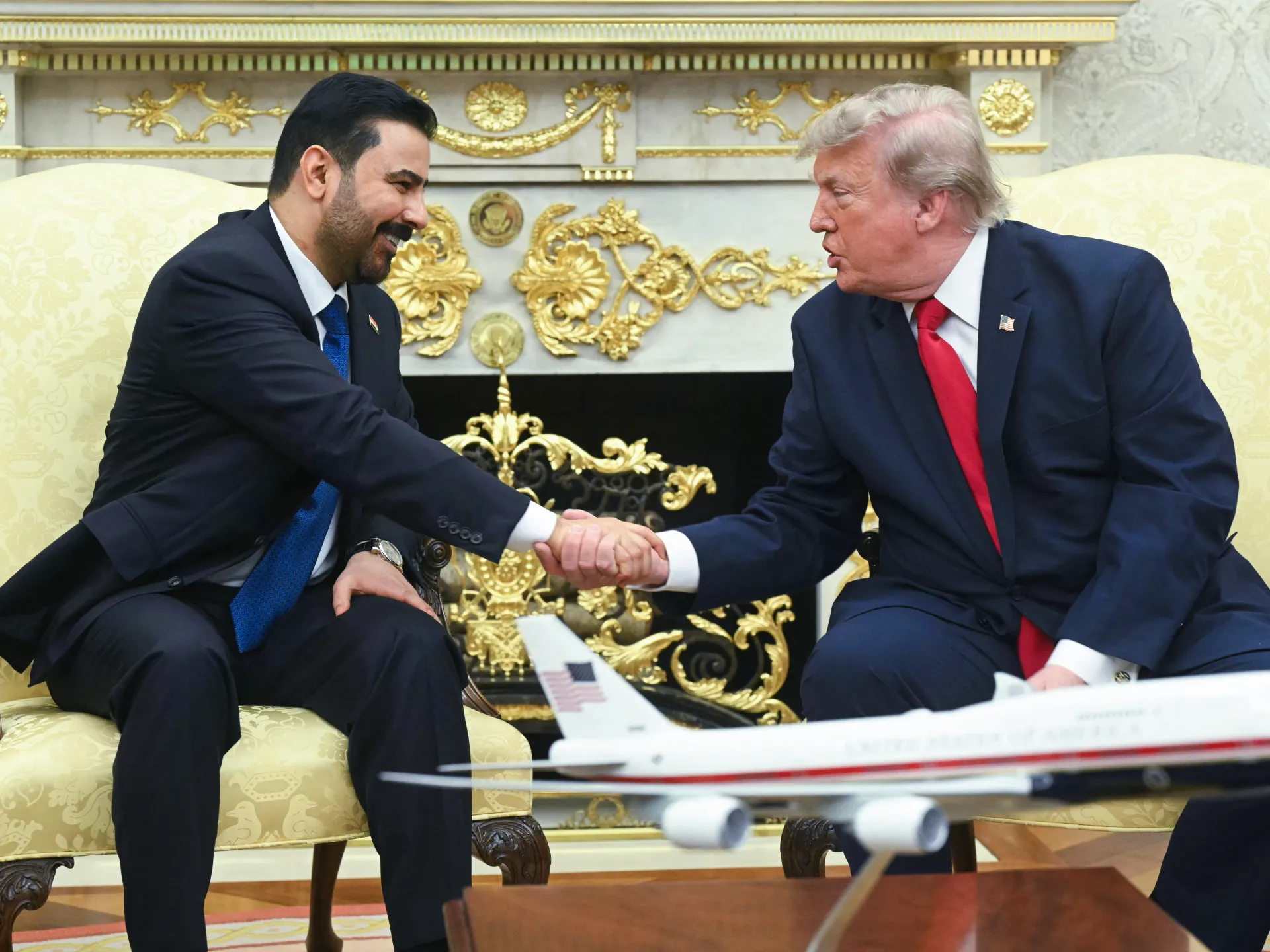
US President Donald Trump and Iraqi Prime Minister Ali al-Zaidi held talks at the White House on Tuesday, formalising a shift in bilateral relations from military engagement to economic partnership. The leaders confirmed that the remaining US forces in Iraq, estimated at fewer than 2,000, would completely withdraw by 30 September. This date coincides with al-Zaidi’s pledge to disarm armed factions operating across the country, marking a significant recalibration of security and diplomatic priorities.
During the Oval Office meeting, President Trump committed to facilitating a series of agreements aimed at boosting Iraq’s oil production and creating jobs in both nations. Describing al-Zaidi as a “fantastic champion,” Trump emphasised the economic potential of Iraq’s energy sector. The Iraqi government had previously indicated expectations for several oil and gas agreements to be signed during the visit, aligning with Trump’s promise of a “raft of deals” to extract increased volumes of oil.
Al-Zaidi characterised the visit as the beginning of a new economic era, stating that US-Iraqi relations are moving away from militarism. The diplomatic shift follows Trump’s public support for al-Zaidi, a businessman with no prior political history, over former Prime Minister Nouri al-Maliki. Al-Maliki, who was seen as having close ties to Iran, dropped out of contention in April, clearing the path for al-Zaidi’s appointment and the subsequent US endorsement.
Despite the agreement on troop withdrawal, the political landscape remains volatile. The Islamic Resistance in Iraq, an umbrella group of Iran-backed armed factions, stated it would reject any outcomes of al-Zaidi’s visit. Al-Zaidi has vowed to disarm these paramilitary groups, which have wielded significant power since the 2003 US-led war, though he has not detailed the mechanism for achieving this objective. The group’s opposition underscores the complex domestic security challenges facing the new administration.
Regional instability continues to impact Iraq’s economy, particularly through Iran’s effective closure of the Strait of Hormuz, a route critical for approximately 90 percent of Iraq’s 3.4 million barrels per day of fossil fuel exports. Al-Zaidi sought a fairer production quota from the Organization of the Petroleum Exporting Countries (OPEC) to fund reconstruction, citing over $400bn in damage from the conflict with ISIL. The ongoing tensions have also cast doubt on a June memorandum of understanding that had temporarily eased hostilities and lifted a US naval blockade on Iran.