UK MPs warn of ‘unprecedented’ security crisis as death threats become daily reality
Following the death of Ann Widdecombe, senior politicians describe an escalating climate of abuse driven by online algorithms and public aggression, prompting calls for systemic reform alongside tightened physical security protocols.
The security of elected officials in the United Kingdom has entered a critical phase, with members of parliament describing death threats as a routine hazard of their profession. The urgency of the issue has intensified following the death of former politician Ann Widdecombe, which has prompted counter-terrorism police to assume control of the investigation. In the wake of this development, senior figures across the political spectrum have publicly detailed the severity of the intimidation they face, warning that the current environment poses a significant risk to democratic participation.
Official statistics from the Metropolitan Police underscore the scale of the escalation. Reported crimes against MPs rose from 364 in 2019 to 976 in 2025, while specific death threats increased from 31 to 50 over the same period. Between 2019 and 2025, a total of 4,064 crimes were reported to the parliamentary liaison team. Data indicates that female MPs and those from minority backgrounds are disproportionately targeted, raising concerns that such hostility may deter qualified individuals from entering public office.
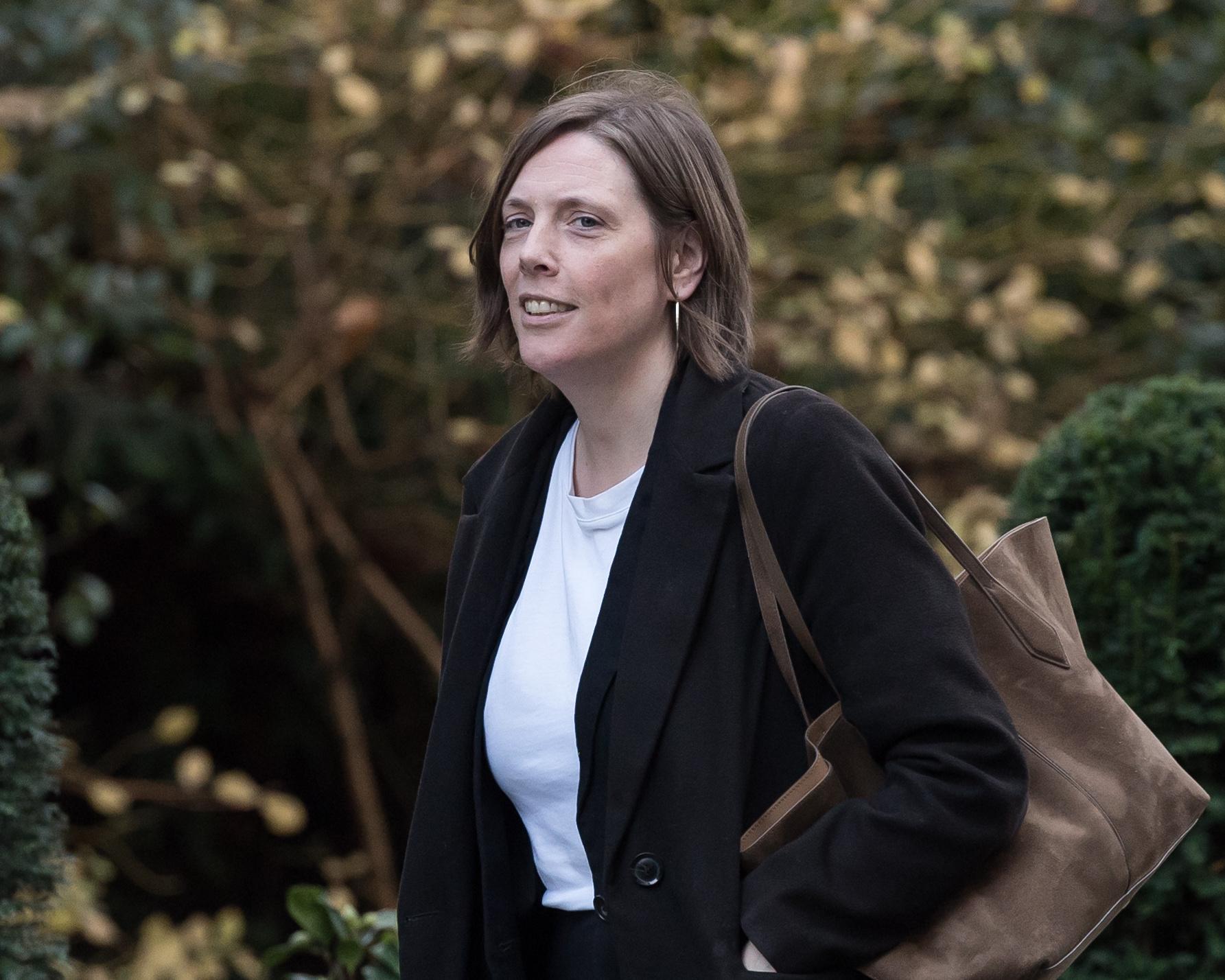
Labour MP Jess Phillips, representing Birmingham Yardley, highlighted the personal toll of this abuse, noting she has received over 600 rape threats in a single night. She recalled a 2019 incident where a man forced his way into her office, as well as a message from a white supremacist containing an image of the murdered MP Jo Cox. Phillips emphasised that the threat is not abstract, stating, “This is not academic to me; it is something I face every day,” and expressed guilt over the anxiety imposed on her staff and family.
Reform UK leader Nigel Farage reported receiving more than 300 threats monthly, with the party recording 1,577 threats against him since February. Conservative MP Bernard Jenkin warned that parliamentarians are now “more likely to meet a violent death than a member of His Majesty’s armed forces or a member of the British police forces.” Former victims’ minister Alex Davies-Jones described the situation as a weekly occurrence for most colleagues, altering their daily routines and forcing them to remain “constantly on alert.”
In response to the crisis, the government has implemented enhanced security measures, including armed police patrols in Westminster and the introduction of a national democracy protection unit announced by security minister Dan Jarvis in April. Despite these physical safeguards, MPs attribute the root cause of the violence to online platforms. Phillips called for a serious conversation about “algorithmic curated content,” arguing that the digital amplification of hostility is a primary driver of the real-world violence targeting elected representatives.