US and Iran halt strikes as diplomatic mediation intensifies
Washington cites munitions concerns and Omani diplomatic overtures as factors in the pause, while Tehran confirms suspension of retaliatory operations.
The United States and Iran have suspended direct military strikes for a second consecutive day, bringing a temporary halt to an escalating conflict defined by nightly attacks over the preceding fortnight. The cessation of air and ground operations coincides with heightened diplomatic activity, including the arrival of an Omani delegation in Tehran and intensified mediation efforts by Pakistani and Qatari officials.
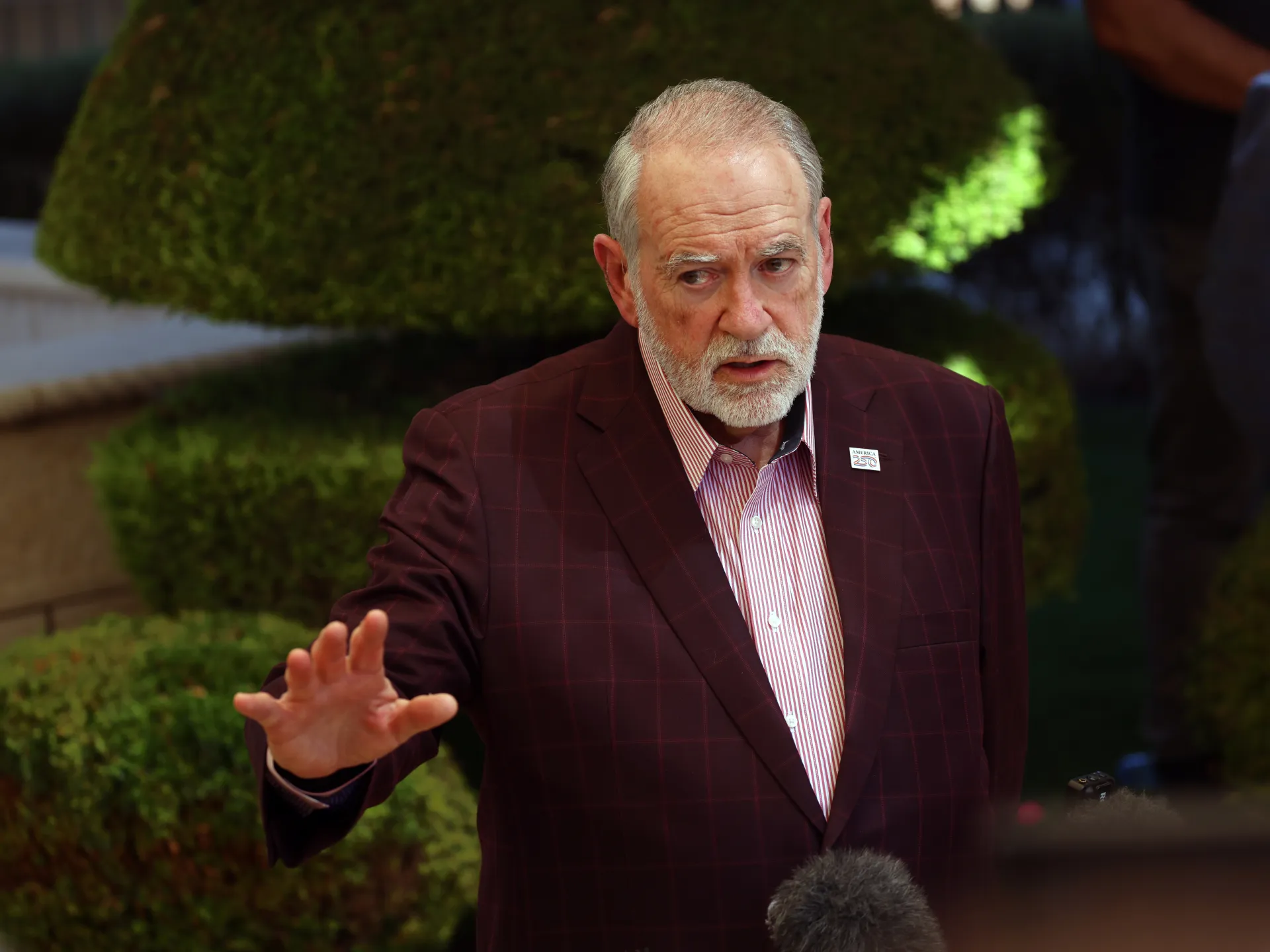
US Ambassador to the United Nations Mike Waltz indicated on Sunday that President Donald Trump is allowing space for potential negotiations, stating the administration is giving talks "a little bit of room." This sentiment follows reports from US broadcaster CBS, which cited regional sources suggesting the decision to pause bombing was influenced by the Omani delegation’s arrival in the Iranian capital.
Strategic considerations also appear to be driving the pause. The New York Times reported that President Trump halted plans to escalate attacks due to concerns regarding the diminishing stockpile of missile interceptors and other air defence munitions in the Middle East. Despite the pause, Waltz noted that the president has previously described the US as "locked and loaded," underscoring the fragile nature of the current standoff.
Iranian officials have similarly confirmed a suspension of hostilities. Iranian army spokesman Mohammad Akraminia stated that the military had halted its retaliatory operations in the Gulf, describing the strategy as "essentially retaliatory." However, he warned that the conflict could widen if the US continues its broader military posture, maintaining a firm stance despite the operational pause.
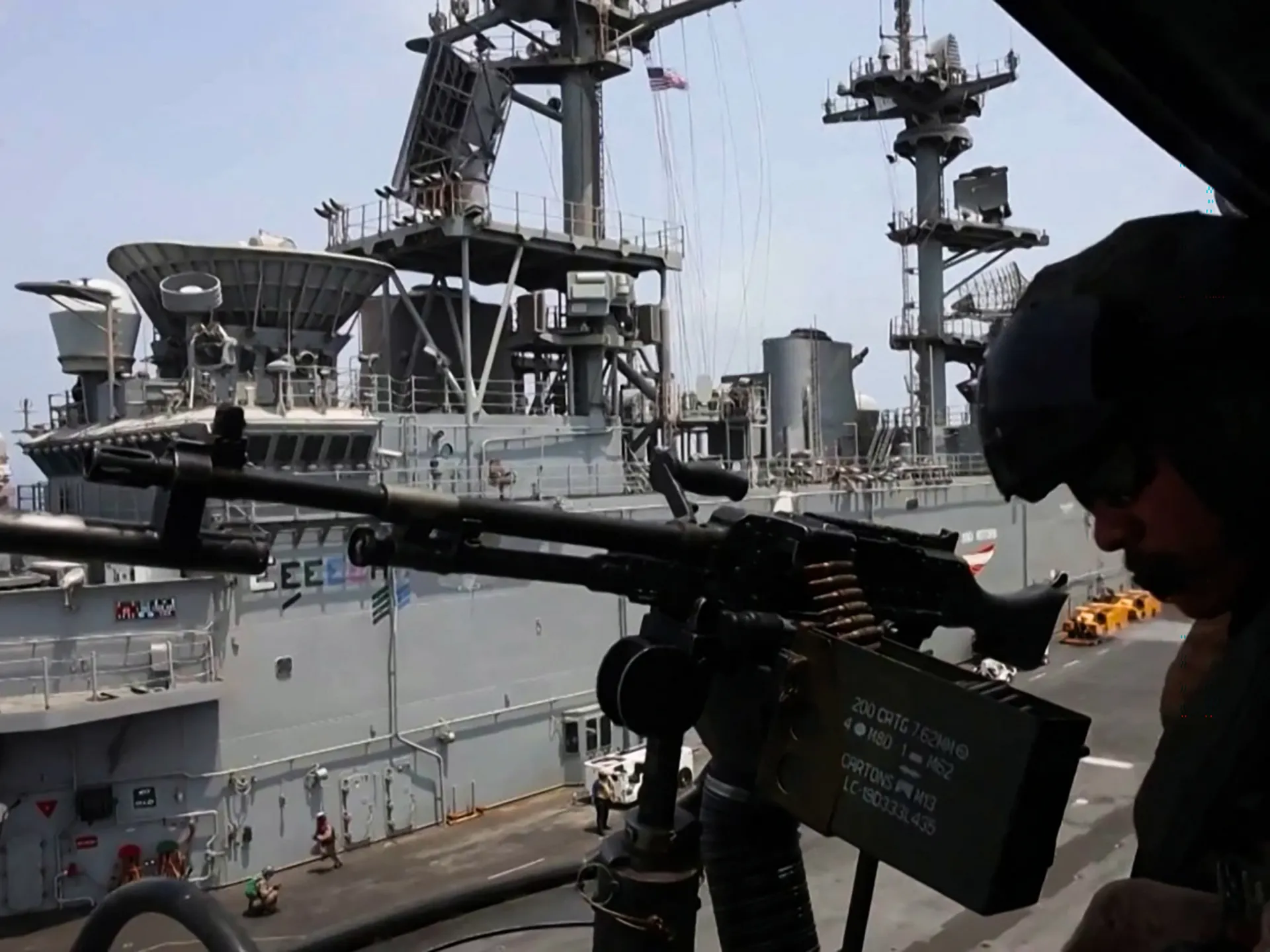
While direct combat has ceased, the US military maintains a strict naval blockade in the Strait of Hormuz. US Central Command reported that as of Saturday, it had redirected 12 commercial vessels, disabled two non-compliant vessels, and boarded two others to enforce compliance. Concurrently, Iranian media reported that the Revolutionary Guard Corps fired warning shots at six vessels attempting to transit the strait, alongside reports of an oil tanker exploding after hitting a mine.
Diplomatic channels remain open regarding maritime traffic. Iran’s Ministry of Foreign Affairs spokesperson Esmaeil Baghaei described talks on managing the Strait of Hormuz as "useful," noting that technical and political consultations are ongoing. Control of the waterway remains a primary point of contention, with Iran citing a June memorandum of understanding with Washington, while the US maintains that Iran does not have unilateral control over the passage.