Universal Studios’ ‘Obsession’ Theme Park Addition Sparks Debate Over Horror and Consent
The decision to feature the female lead from the 2026 horror hit as a roaming scare actor has ignited a broader cultural conversation about gender dynamics and the interpretation of victimhood in commercial entertainment.
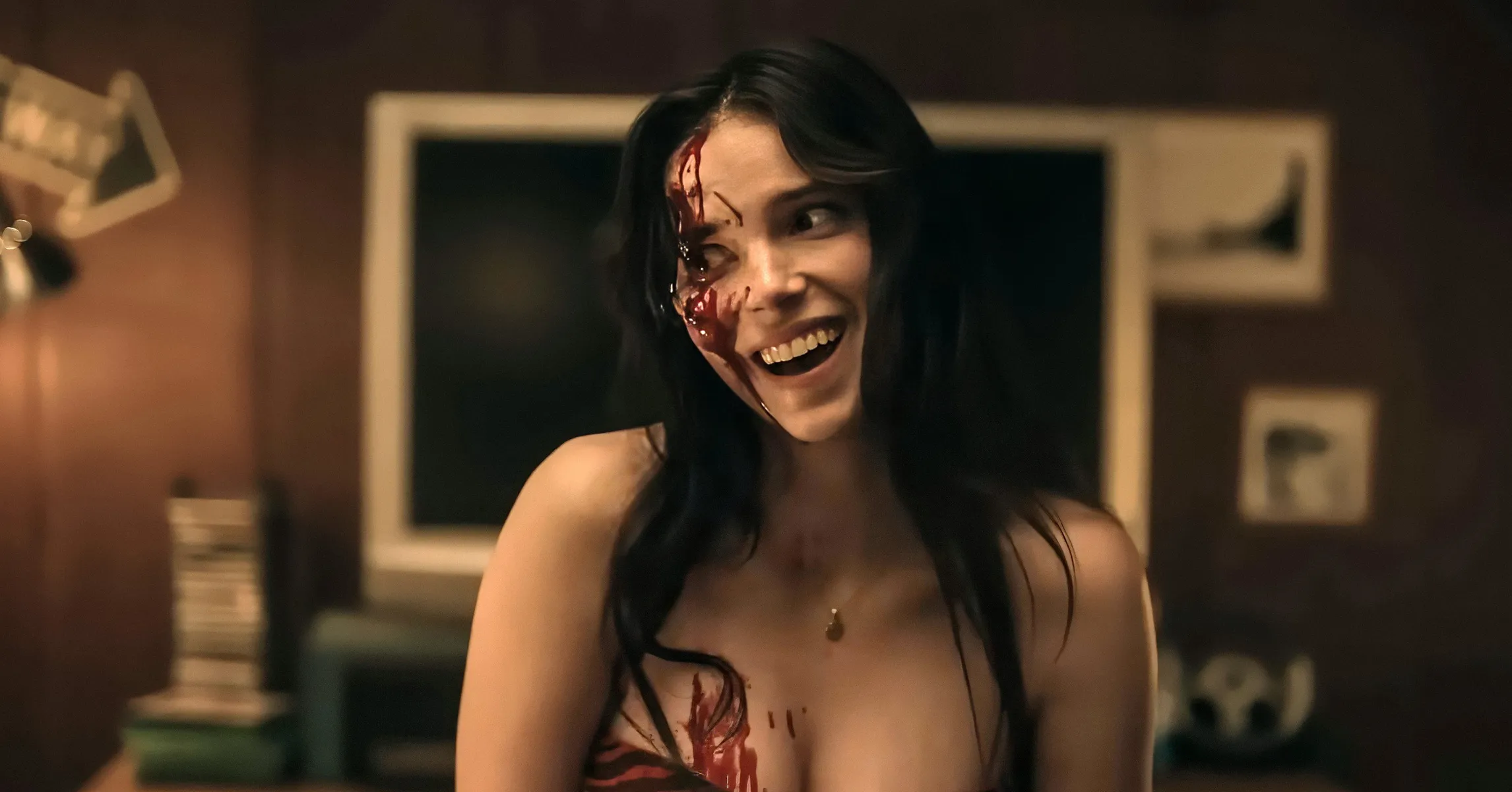
Universal Studios Hollywood has confirmed that Nikki, the female lead from the 2026 horror film Obsession, will appear as a roaming scare actor at its upcoming Halloween Horror Nights event. The announcement, made by creative director and executive producer John Murdy at the Midsummer Scream horror convention, has triggered significant backlash on social media. Critics argue it is inappropriate to portray a character widely interpreted as a victim of magical coercion and sexual assault as a frightening figure, viewing the move as a trivialisation of trauma.
The controversy centres on the narrative of Obsession, which has been one of the most successful Hollywood releases of the year, earning $488 million worldwide on a budget of approximately $750,000. The plot follows Bear, a young man who inadvertently casts a spell on his friend Nikki, causing her to lose her autonomy and commit murder under a paranormal influence. Since its release, audiences have debated whether Nikki is the true villain or a victim robbed of her agency, with many asserting she was effectively raped due to her inability to consent.
Universal defended the inclusion by noting that Nikki is technically a victim of the One Wish Willow’s curse. A press release teased that guests might encounter “the latest victim of the One Wish Willow’s terrifying curse,” aligning with the narrative that she is under paranormal influence rather than acting maliciously. Murdy described the character’s appearance as “all bloody” with tattoos scribbled on her body, advising guests to adopt a “Where’s Waldo?” mentality to find her. He noted the decision was a late addition requiring significant logistical effort.
Despite the studio’s defence, social media users condemned the move as poor taste. Some argued it was dangerous for the actor portraying Nikki to interact with guests, while others pointed out that the character lacks the visual shorthand of other horror icons. Supporters of the decision noted that Universal has previously included possessed female characters, such as Regan from The Exorcist, in its seasonal programming.
Horror author Gretchen Felker-Martin suggested the discourse stems from cultural anxieties about women’s agency and the trivialisation of pain in commercial entertainment. She noted that horror films often explore vulnerabilities in human connections, but the conversion of complex art into prepackaged theme park attractions can flatten these nuances. WIRED contributor John Semley added that the subtleties of scary stories are often lost in immersive Halloween experiences, comparing the situation to historical misunderstandings of horror monsters.
Film actor Inde Navarrette has expressed enthusiasm for the role, previously describing the prospect of appearing at the park as her “dream” in a June interview with Cosmopolitan. The Halloween Horror Nights event is scheduled to run from 3 September to 1 November 2026, featuring attractions such as a haunted house based on the film Sinners. Universal Studios’ parks and destinations department did not immediately respond to requests for further comment.