UN watchdog confirms tons of nuclear material found at Syrian site
Inspectors discovered several tons of nuclear material at a location reported by the Syrian government last month, marking a significant development in the region’s post-conflict security landscape.
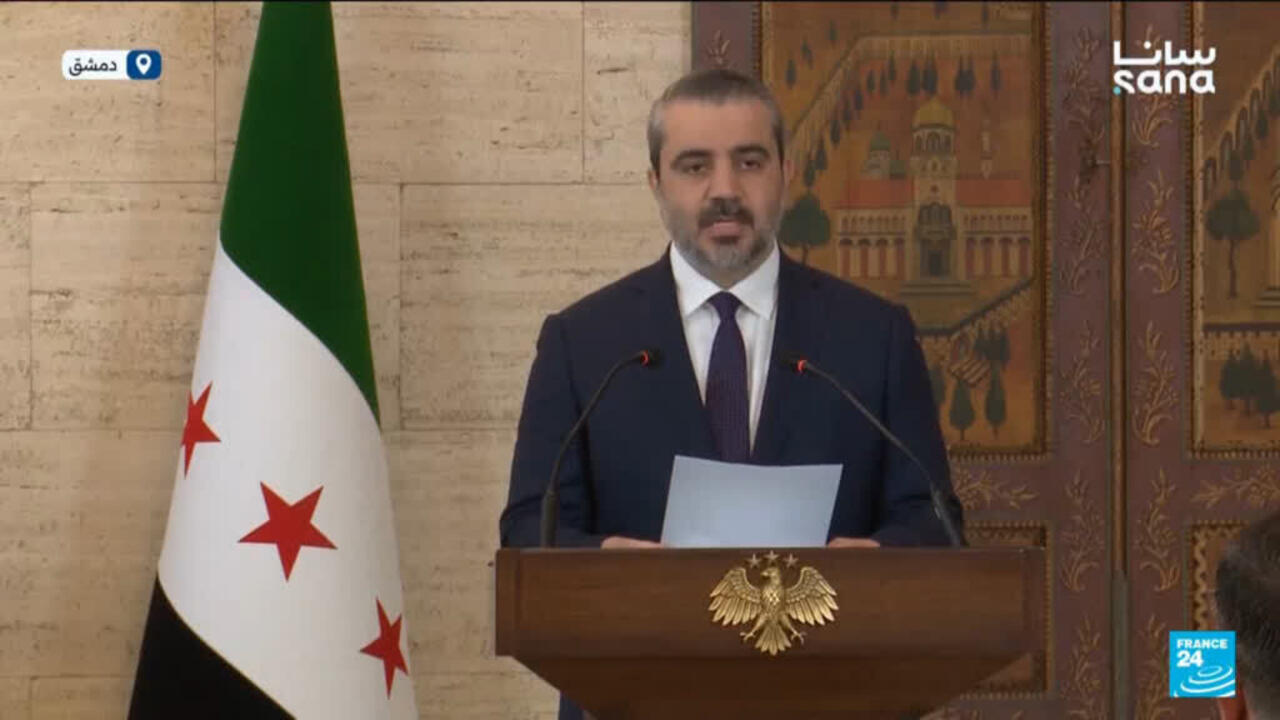
The International Atomic Energy Agency has confirmed the discovery of several tons of nuclear material at a site in Syria, following an inspection triggered by a voluntary disclosure from the Syrian government. Rafael Grossi, the head of the UN’s nuclear watchdog, announced the findings on Tuesday, underscoring the scale of the material recovered from the undisclosed location.
Speaking at a news conference in Damascus, Grossi described the Syrian government’s decision to report the site to the agency last month as a “courageous decision.” The disclosure initiated the inspection process that led to the identification of the nuclear stockpile, which authorities have now verified.
The site in question is linked to the era of ousted former leader Bashar al-Assad. The discovery highlights the ongoing efforts to address legacy nuclear infrastructure and materials from the previous regime, a period that has now concluded with Assad’s removal from power.
Grossi’s remarks in Damascus focused on the transparency shown by the current authorities in Damascus. By bringing the site to the attention of the IAEA, the government has allowed international inspectors to verify the presence and nature of the material, a step that aligns with broader non-proliferation objectives.
The confirmation of “several tons” of nuclear material represents a substantial finding for the agency. While the specific isotopic composition or precise quantity remains undefined in initial reports, the volume indicates a significant accumulation of material that requires careful management and verification under international safeguards.
This development occurs against a backdrop of shifting political dynamics in the region. The involvement of the IAEA in verifying materials from the Assad era suggests a new phase in how Syria’s nuclear history is being addressed by the international community.
The agency’s presence in Damascus and the subsequent verification process signal a continued focus on securing nuclear materials and preventing their proliferation. The outcome of these inspections will likely inform future policy decisions regarding the site and any remaining legacy issues from the former regime.