Violence and corruption mar Ukraine’s escalating mobilisation crisis
Al Jazeera reports reveal a sharp deterioration in Ukraine’s conscription efforts, marked by ‘busification’, systemic bribery, and violent resistance that has prompted recent changes in defence leadership.
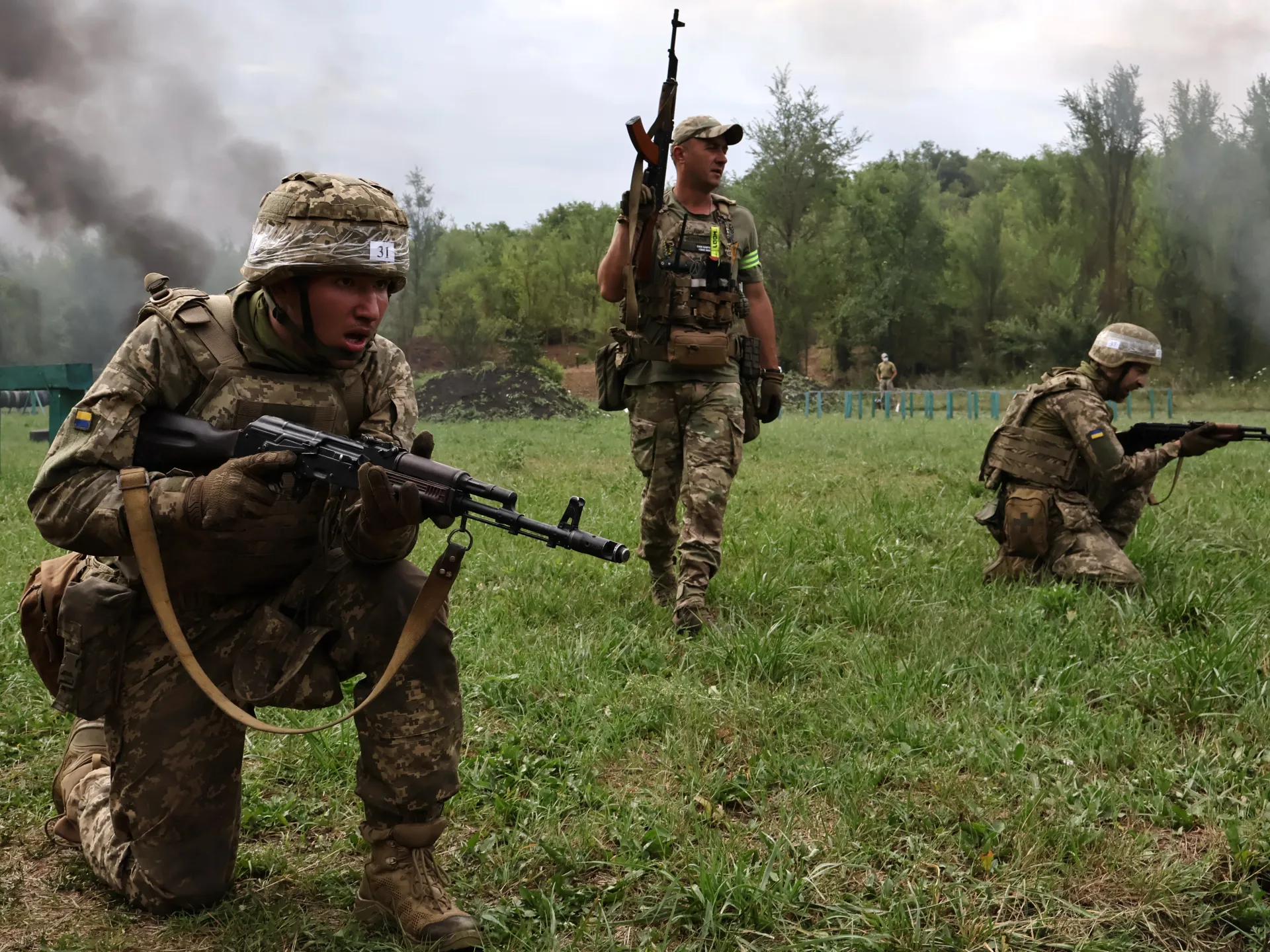
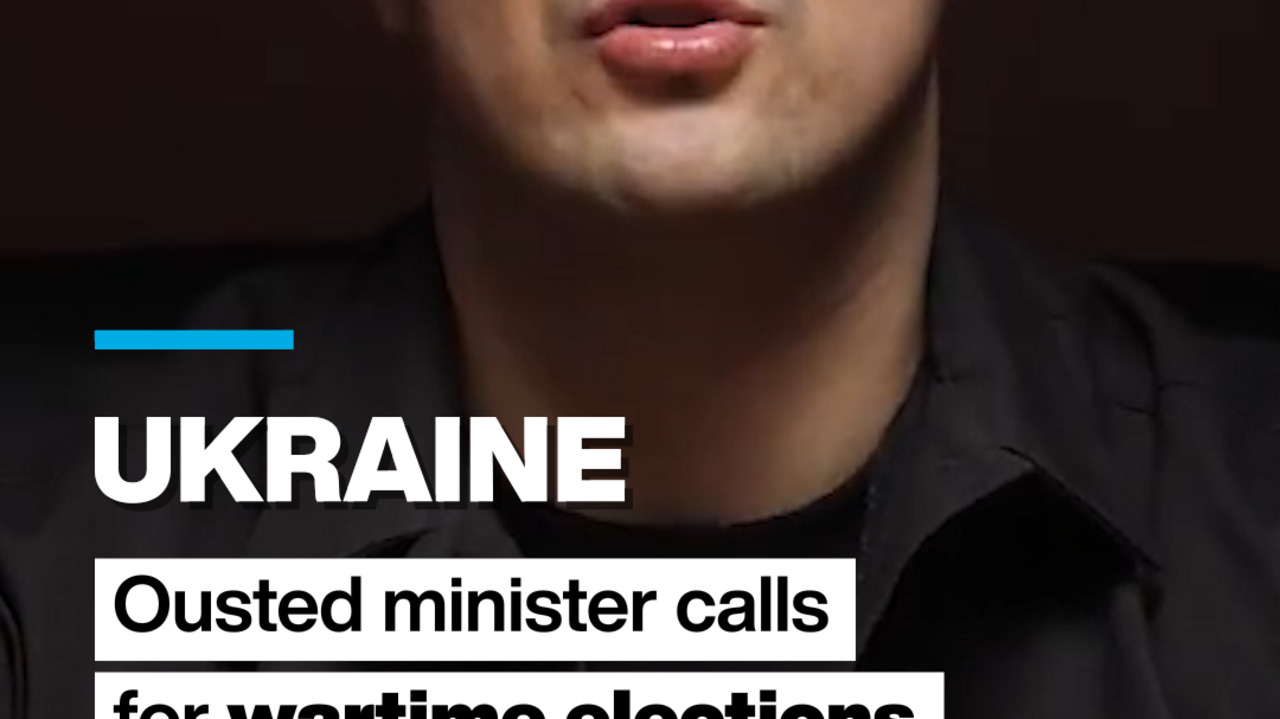
Forcible military recruitment in Ukraine has escalated into widespread violence, characterised by the aggressive street seizure of men—a practice termed 'busification'—and escalating resistance from the public. Incidents range from physical assaults on recruitment officers to bombings at enlistment offices, with attacks on draft personnel surging significantly in early 2026. Concurrently, allegations of systemic corruption, including bribery and the issuance of fraudulent disability certificates, have eroded public trust. These tensions coincide with high-level political instability, marked by the recent dismissal of Defence Minister Mykhailo Fedorov and Commander-in-Chief General Oleksandr Syrskii, amid international concern over human rights violations within the mobilisation process.
The term 'busification' describes men stopped on city streets, checked for exemption cards, and placed directly onto buses bound for mobilisation centres. According to observers, as Ukraine’s conscription crisis grows, it is increasingly common. On the streets, resistance against the recruitment officers has also turned physical, and on occasion, deadly. Within the space of three days in February, a draft officer was shot dead at a petrol station in Poltava oblast, an explosion inside a draft office in Rivne killed one person and wounded six, and another blast wounded one at an enlistment office in Pavlohrad. Ukraine’s Security Service later said Russia had recruited the perpetrator of the Rivne bombing.
Statistics show a sharp rise in attacks on enlistment officers: 117 attacks occurred in the first four months of 2026, compared to only five in the entire first year of the war. On July 8, 2026, a crowd in Lviv’s Sykhiv district blocked, damaged, and overturned a recruitment service vehicle during the detention of a man wanted for draft evasion, prompting pre-trial investigations by the national police and the Security Service of Ukraine.
Corruption in the recruitment process has been alleged. In some cases, men have obtained exemptions through paid-for medical diagnoses. In October 2024, Ukraine’s Prosecutor General Andriy Kostin resigned after journalists reported that dozens of prosecutors in the western Khmelnytskyi region held disability status to avoid the draft. The scandal proved to be the tip of the iceberg: Ukraine’s security service announced it had cancelled 4,106 fake disability certificates issued through corrupt medical examination commissions that year, charging 64 commission officials in the process.
The alleged abuses have been documented internationally. In a memorandum published on July 8, 2025, the Council of Europe’s commissioner for human rights raised alarm over mobilisation practices, including beatings, harsh detentions, denial of access to lawyers, and the conscription of men with disabilities, citing Ukraine’s parliamentary human rights commissioner, Dmytro Lubinets, who had described the violations as “systematic and large-scale”. According to a July 2025 survey by Ukraine’s Rating Group, only 24 percent of Ukrainians said they trusted enlistment officers.
President Volodymyr Zelenskyy has argued that the only beneficiary of such scenes is Russia. Yet the condemnations have also been tempered with concessions by institutions like the Defence Ministry, which conceded that mobilisation methods need improvement. Oleksandr Syrskii, who was sacked as the country’s commander-in-chief last month along with the defence minister Mykhailo Fedorov, also acknowledged the army was working to correct mistakes and prevent rights violations at enlistment offices.