India’s Supreme Court permits passive euthanasia as palliative care gap widens
Despite the 2024 Harish Rana precedent, only two living will clinics exist nationally, and 73 per cent of urban Indians remain unaware of their right to refuse life-sustaining treatment.
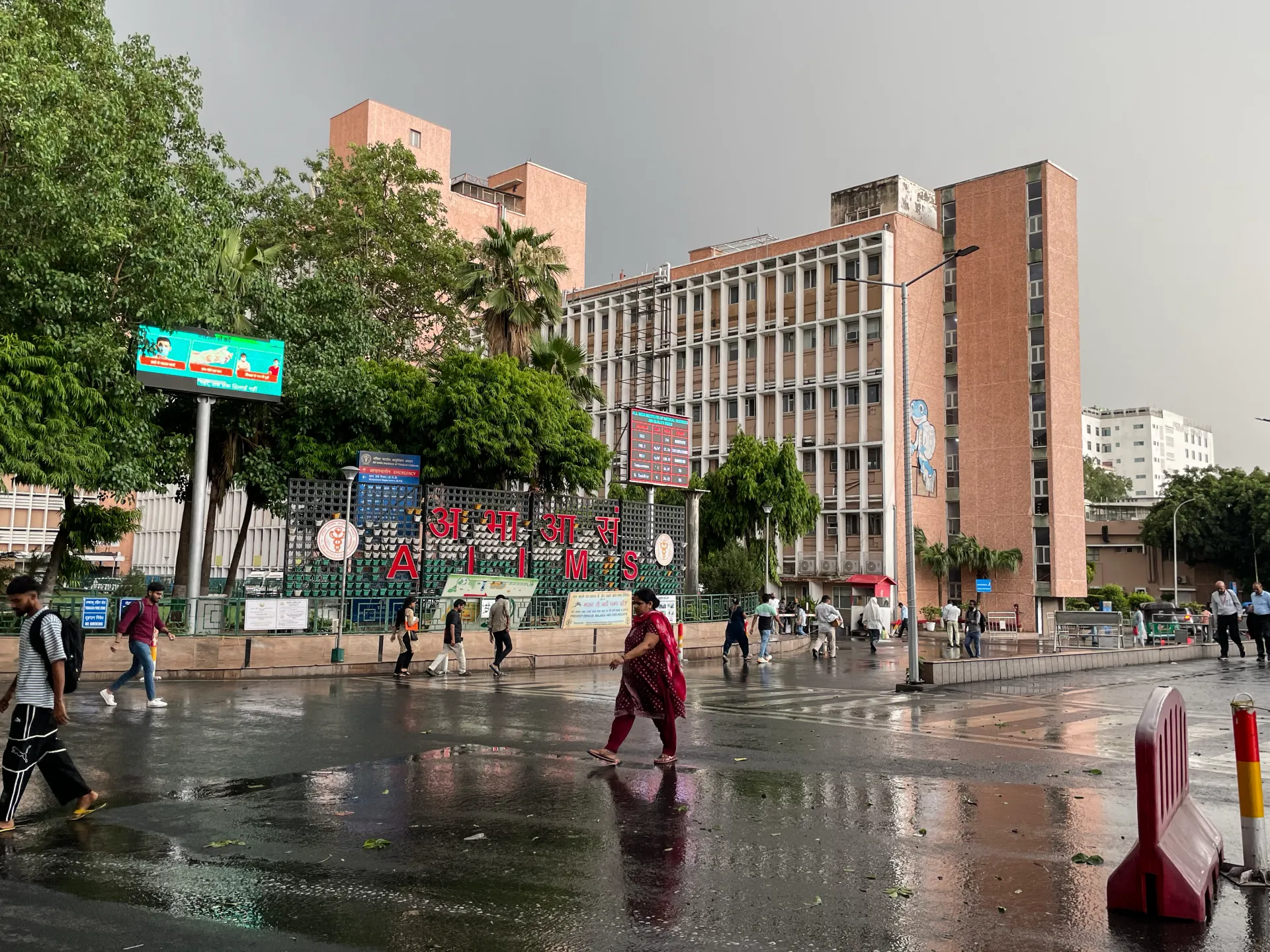
India’s Supreme Court has permitted passive euthanasia in the case of Harish Rana, a 32-year-old man who remained in a vegetative state for 13 years, reinforcing the constitutional right to die with dignity. The court directed the All India Institute of Medical Sciences (AIIMS) in New Delhi to withdraw life support on March 11, 2024, with Rana passing away two weeks later. This decision serves as the first instance in India where the top court authorised the withdrawal of life-sustaining treatment, building on the 2018 judgment that recognised such rights under Article 21 of the Indian Constitution.
The ruling highlights a significant disparity between legal frameworks and public preparedness. A 2019 survey by Healthcare at Home found that 73 per cent of urban Indians were unaware of their right to execute a living will, with only 6 per cent of those aware having drafted one. Consequently, families of terminally ill patients often lack knowledge of palliative care options and the legal mechanisms to refuse treatment, leaving them unprepared for end-of-life decisions. The problem is compounded by cultural taboos surrounding death, which frequently prevent individuals from documenting their medical wishes while they retain capacity.
Structural barriers further limit access to these legal provisions. Currently, there are only two living will clinics in India, located in Mumbai and New Delhi, both operated by private hospitals that are inaccessible to most citizens. While the Supreme Court simplified the process in 2023 by removing the requirement for a magistrate’s countersignature and reducing the medical experience threshold for review boards from 20 years to five, the absence of a comprehensive parliamentary law leaves the framework reliant on judicial interpretation. The court has previously requested the government to enact specific legislation on the matter, but no such law has been passed.
The need for robust end-of-life care infrastructure is urgent. India recorded an estimated 1.56 million new cancer cases in 2024, and an estimated seven to 10 million people require palliative care, yet only 4 per cent receive it. Families of patients with traumatic brain injuries and degenerative neurological conditions face similar challenges, often managing care for years without institutional guidance. In the Rana case, the family managed his feeding tube, tracheostomy, and urine bag for over a decade before approaching the court due to caregiver exhaustion and uncertainty about future care.
Legal experts argue that the current system places an undue burden on families and doctors. Vipul Mudgal, director of Common Cause, noted that the right to life includes the right to die with dignity, allowing individuals to make autonomous decisions rather than leaving relatives to navigate grief and uncertainty. However, without widespread legal awareness and accessible palliative care services, the right to refuse life-prolonging treatment remains largely theoretical for the majority of the population.