DfE launches pilot to repurpose surplus school spaces as community hubs
The Department for Education has initiated a pilot scheme to convert empty classrooms into youth clubs and health centres, aiming to address the long-term decline in pupil numbers and prevent the loss of community infrastructure.
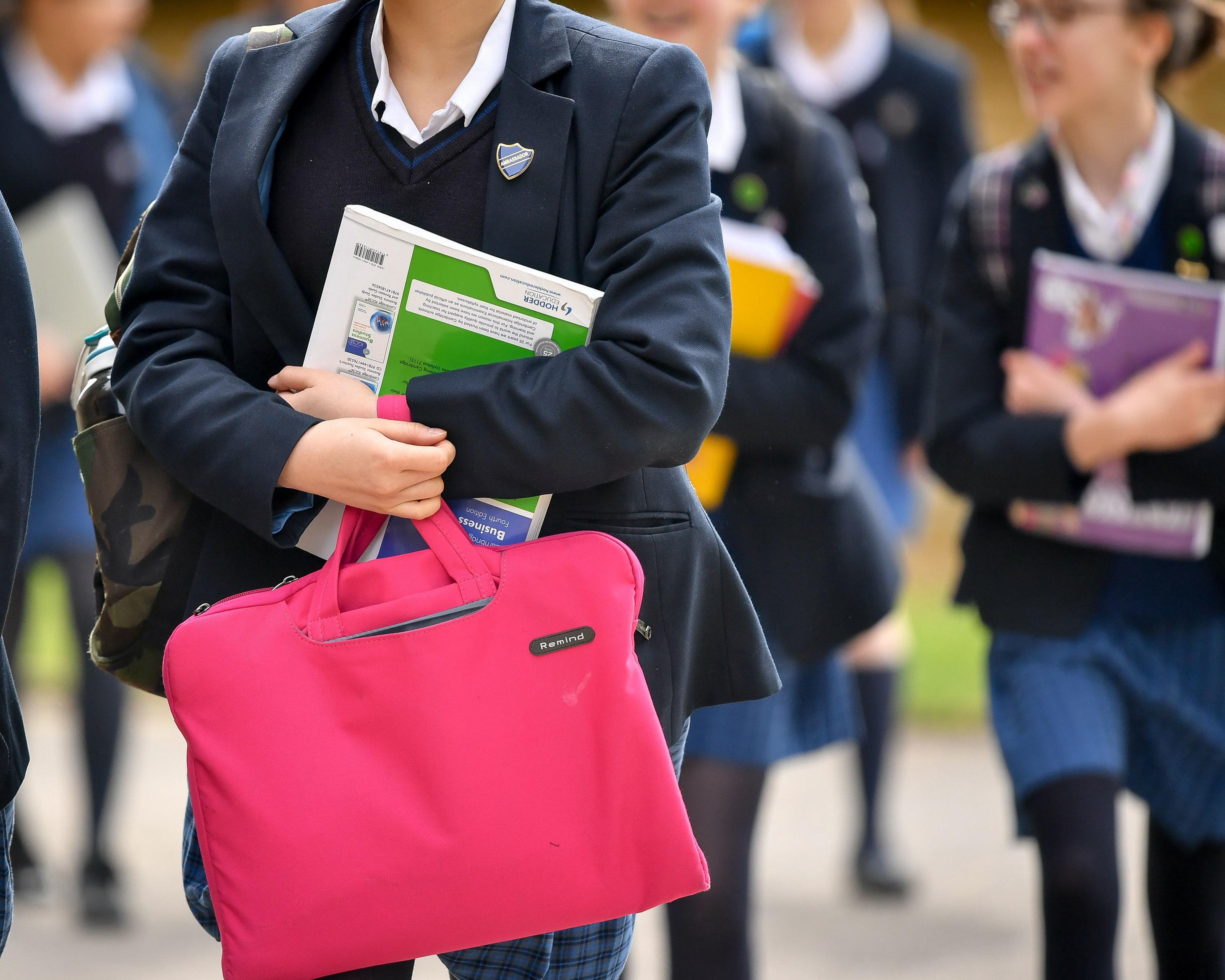
The Department for Education in England has announced a pilot scheme designed to repurpose surplus school spaces, including empty classrooms, into community assets such as youth clubs and health centres. Six local authorities—Birmingham, Nottingham, Lincolnshire, West Sussex, and the London boroughs of Croydon and Lambeth—have been selected to receive £3.1m in initial funding to develop proposals for converting unused facilities. The initiative aims to address the long-term decline in pupil numbers, which has created a surplus of school places, with forecasts indicating that 800 primary schools may close by 2029-30. The first conversions are expected to be operational by next year, with further councils expected to join after the scheme's autumn launch.
The selection of the six councils was intended to reflect a mix of communities, allowing the government to test different approaches to making the best use of surplus school space where it can have the biggest impact. Each area will develop proposals reflecting local needs, helping build an evidence base for how schools can continue serving communities even where pupil numbers have fallen. This strategy comes as the number of children in England under the age of 16 is expected to shrink by 6% over the next decade, with primary school pupil numbers having fallen by 85,000 since 2019.
Josh MacAlister, the minister for children and families, stated the government is taking action to help schools and councils make the most of spare space for the benefit of local families and communities. He emphasised that through this pilot, the government will give a new lease of life to empty classrooms by transforming them into youth clubs, family hubs, and other local services. The goal is to ensure that school buildings continue working for children, parents, and communities for years to come, despite the changing demographic landscape.
The demographic shift has been particularly acute in London, which has been the hardest-hit region, with the capital having nine of the 10 local authorities with the largest declines in primary school pupils. Islington, Lambeth, and Southwark are expected to have the steepest declines in numbers over the next four years, while boroughs such as Camden already have falling demand for secondary school places. Outside London, rural and coastal communities such as Lincolnshire are also seeing sustained falls, raising concerns about the future availability of school properties.
The sharp decline has raised fears that councils or authorities could sell off school properties, leaving those areas vulnerable to school shortages in the future if the demographic tide changes. The National Audit Office recently criticised the government for having no clear approach to help schools or local authorities handle the sharp decline in numbers. However, the DfE is encouraging schools and local authorities to use spare capacity to expand school-based nurseries and has allocated funding to create more places in mainstream schools for children with special educational needs and disabilities. The Local Government Association expressed willingness to support the use of unused school space and work with local residents and schools. The results from the pilot will feed into further proposals from the DfE to be published later this year.