Strait of Hormuz becomes fault line as US-Iran ceasefire fractures
Tehran’s push to formalise control over the waterway clashes with Washington’s interpretation of free passage, raising fears of renewed conflict.
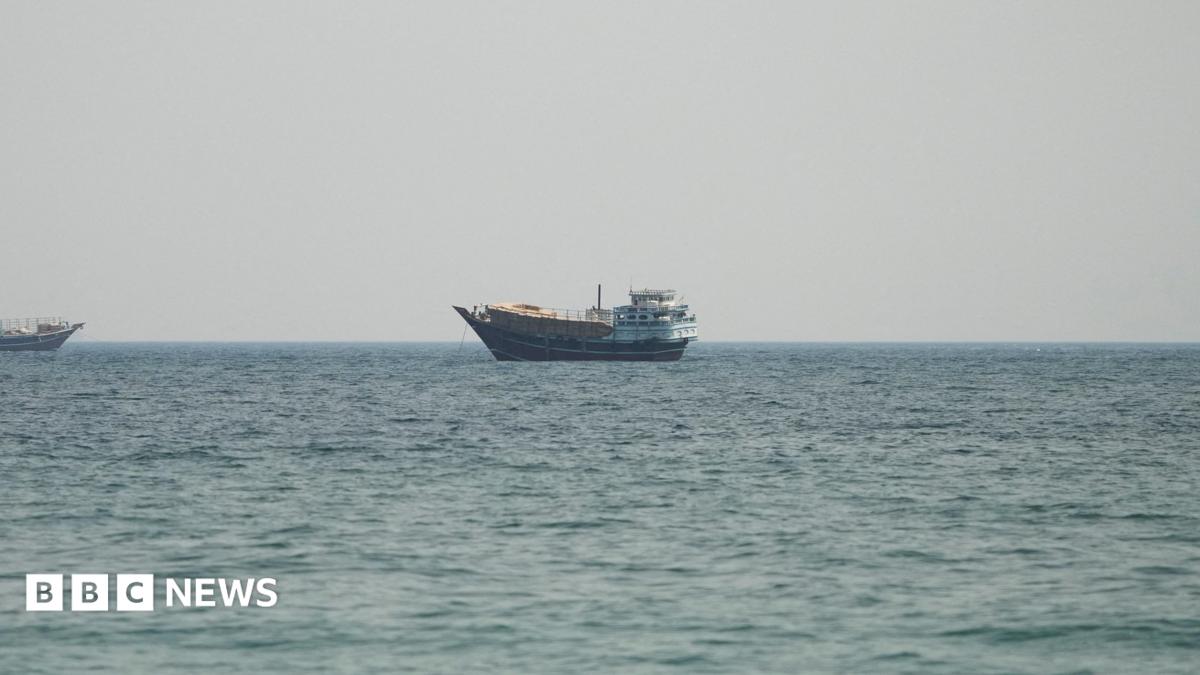
Tensions over the control of the Strait of Hormuz have intensified between the United States and Iran, threatening to collapse a fragile ceasefire established in June. Iran is asserting its right to manage maritime traffic through the strait, citing a vague clause in a memorandum of understanding, while the US interprets the agreement as requiring free passage for global oil and gas supplies. Recent attacks on vessels, including a Qatari-flagged liquefied natural gas tanker, have heightened regional anxiety and are described by diplomatic sources as the work of a "rogue unit" within Iran's Islamic Revolutionary Guard Corps (IRGC).
Iran’s parliament has introduced legislation to formalise control over the strait, with officials rejecting any cession of authority. The proposed bill, titled the Strategic Action for the Security and Sustainable Progress of the Strait of Hormuz and the Persian Gulf, was announced by Ebrahim Azizi, head of the assembly's national security commission. Azizi described controlling the waterway as Iran's "inalienable right" and stated firmly that Tehran would never cede control, viewing the strait as a critical asset to face the enemy.
Regional mediators, including Oman and Qatar, have expressed concern over Iran’s hardline stance and proposed service fees. Oman has taken a substantial stand against Iran’s attempts to define future maritime services, objecting to clauses that would require Tehran to conduct dialogue with Muscat on the administration of the strait. Qatar, a key mediator, has also voiced unease as Iran moves to rewrite regional rules, with the United Arab Emirates condemning the plans as a dangerous precedent.
Both nations face significant domestic pressures: Iran is grappling with an 80% inflation rate and economic crisis, while the US is navigating political challenges, including President Trump’s reversal of a proposed 20% fee on Hormuz cargo as he prepares to resume a blockade of Iranian ports. The economic strain in Iran, compounded by internet blackouts and recent conflict, has led to widespread job losses, while Trump faces his own political hurdles that may influence US diplomatic engagement.
Experts remain uncertain about the durability of the truce, noting a fundamental misreading of the enemy by both sides. Robert Malley of the International Crisis Group suggested that while neither side can completely get its way, dysfunctionalities on both fronts make a lasting resolution unlikely. The crisis has also sidelined discussions on Iran’s nuclear programme, with the memorandum’s 60-day negotiation window widely viewed as insufficient to address the core issues driving the conflict.