UK government weighs AI safeguards amid warnings over public safety
Louise Haigh is expected to outline the benefits of AI while backing evidence-based regulation focused on evolving risks.
The UK government is set to balance the potential benefits of artificial intelligence with warnings about risks to public safety and national security, as ministers face growing calls for stronger oversight.
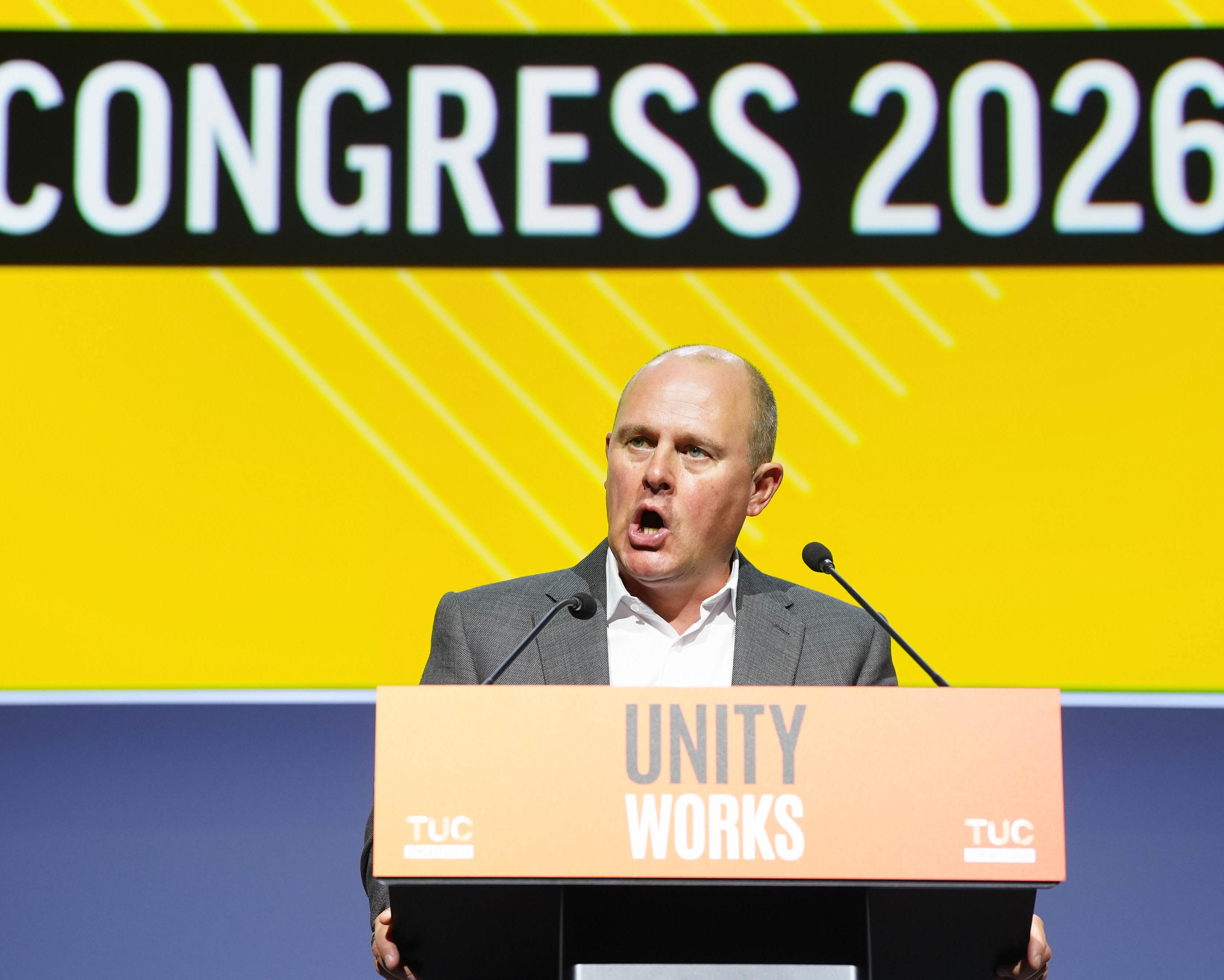
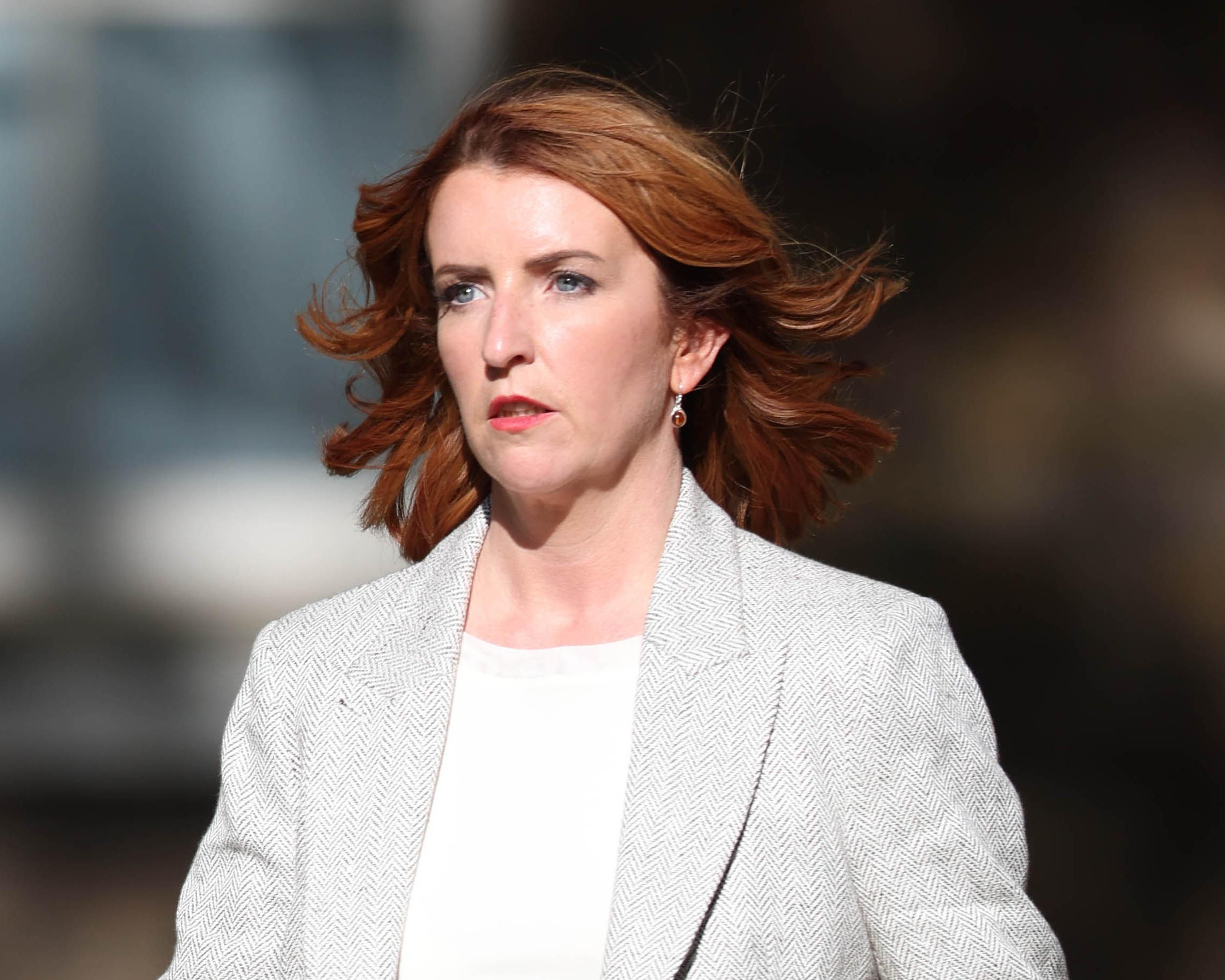
First secretary Louise Haigh is due to tell the TUC Congress that AI could improve healthcare and public services, strengthen businesses and support scientific research. She is also expected to say the government must heed warnings from experts developing the technology and work with international partners.
The government has not committed to a specific new regulatory regime. A spokesperson said future measures would be evidence-based and focused on risks as AI capabilities evolve, while cautioning that existing laws may not remain sufficient.
The parliamentary human rights committee has called for an independent oversight body and legislation to protect the public. It identified concerns including facial scanning, explicit deepfakes and disciplinary decisions affecting workers without reasonable cause.
More than 70 MPs and peers have separately backed a proposed ban on creating artificial superintelligence and an international campaign to halt its development. The calls followed warnings from Anthropic researchers about potentially severe future risks, including the possibility that advanced AI could threaten humanity.
OpenAI supports stronger UK rules for companies developing the most advanced systems, but has argued that regulation should be narrowly targeted. Business secretary Jonathan Reynolds said discussion of a mandatory AI “kill switch” lacked practical meaning and urged a proportionate approach that recognised both the technology’s risks and its potential benefits.