UK government confirms no security vetting for Prince Andrew’s trade envoy role
Trade minister Chris Bryant says lack of due diligence was ‘understandable’ given royal context; former civil servant Lord Turnbull describes vetting a prince as an ‘anachronism’
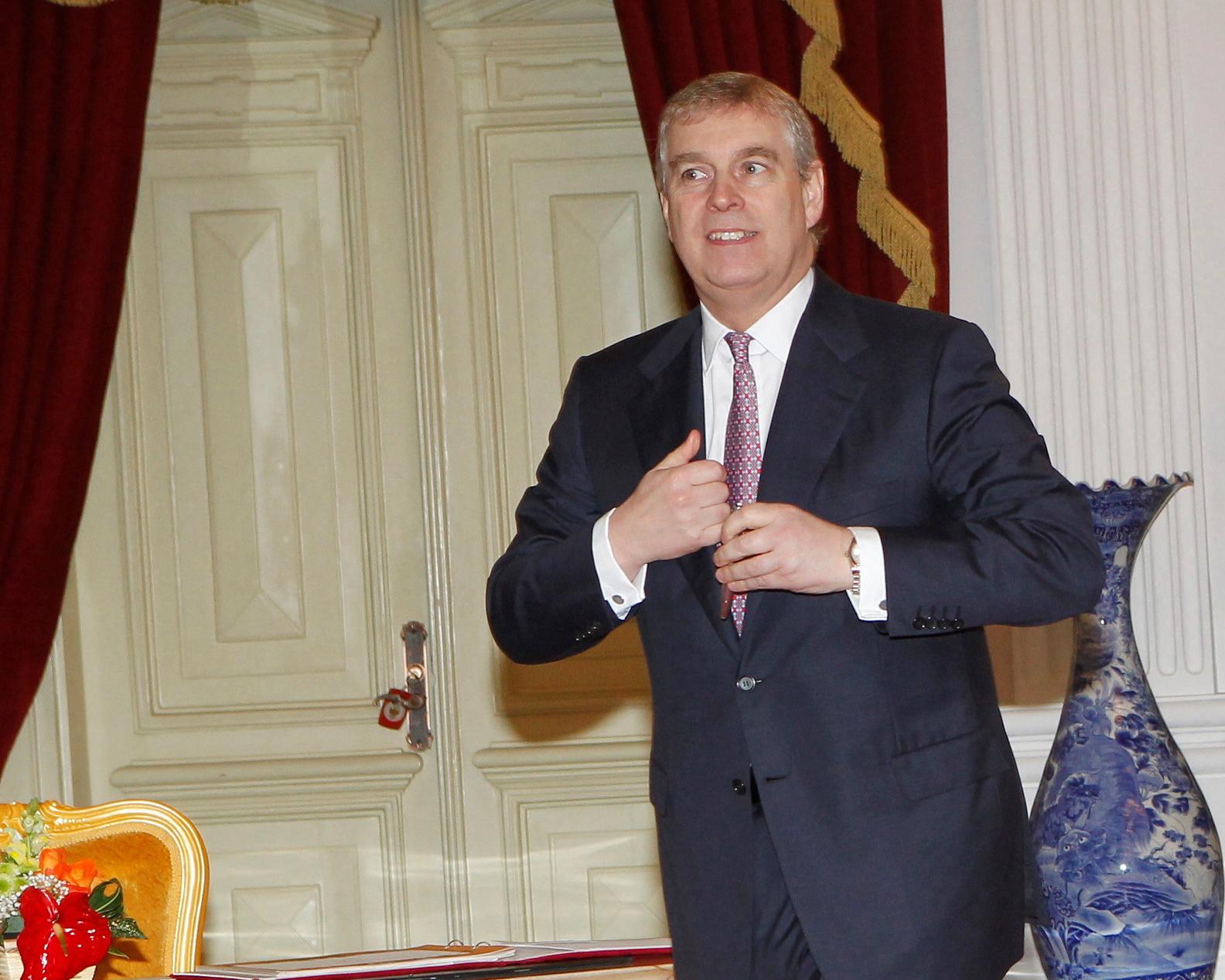
The UK government has confirmed there is no evidence that formal security vetting or due diligence was conducted before Prince Andrew Mountbatten-Windsor was appointed as a trade envoy in 2001. The disclosure follows the release of 11 documents in response to a parliamentary request by the Liberal Democrats, which detail the creation of the role and the circumstances surrounding the appointment.
Trade minister Chris Bryant stated in a written parliamentary statement that the absence of vetting was “understandable” given the historical context of royal involvement in trade promotion. He noted that Prince Andrew was replacing the Duke of Kent, who was stepping down from his role as vice-chair of the Overseas Trade Board. Bryant indicated that the question of vetting a prince would not have “entered anyone’s head” at the time.
Internal correspondence reveals that Queen Elizabeth II was “very keen” for her son to assume the position. A memo dated 25 February 2000, sent by David Wright, then chief executive of British Trade International, to Foreign Secretary Robin Cook, outlined the Queen’s wish for Mountbatten-Windsor, then the Duke of York, to take on the role.
The released documents also outline specific preferences from the Prince’s team regarding his overseas engagements. These included a preference for visiting “sophisticated countries” and attending ballet rather than theatre. His team also requested that he not be offered private golfing functions abroad, considering it a “private activity”, and preferred that his travels in royal or military capacities be kept separate.
Lord Turnbull, a former civil servant and permanent secretary to the Treasury at the time, described the idea of vetting a prince as an “anachronism” and “completely alien” to the political culture of 2001. He told Radio 4’s World at One that vetting would have implied questioning whether he was “fit and proper”, a notion that was not entertained, particularly given the late Queen’s wish for the appointment.
Bryant told MPs that the government is not expecting to publish any further files regarding the appointment. While he guaranteed that officials would continue to search for additional material across multiple departments, he suspected that the 11 documents published on Thursday may represent the last tranche of files to be released.
Prince Andrew served as the UK’s special representative for international trade and investment from 2001 to 2011. The role was unpaid and involved travelling the world to meet senior business and government figures. An internal telegram to British Trade International staff at the time advised the need for “careful and sometimes strict media management” of his engagements.