EHRC issues updated code on single-sex spaces following Supreme Court ruling
The Equality and Human Rights Commission has released its first major revision in a decade, outlining how service providers must navigate the tension between excluding transgender individuals from single-sex facilities and avoiding discrimination claims by offering alternatives.
The UK Equality and Human Rights Commission (EHRC) has published an updated code of practice providing detailed guidance on the application of the Equality Act 2010. The revision follows a landmark Supreme Court ruling that defined a woman for the purposes of the legislation as a person of biological sex female. The code clarifies that single-sex spaces, such as toilets, must exclude transgender people to remain legally classified as single-sex, although providers risk discrimination claims if they fail to offer alternative facilities like gender-neutral toilets.
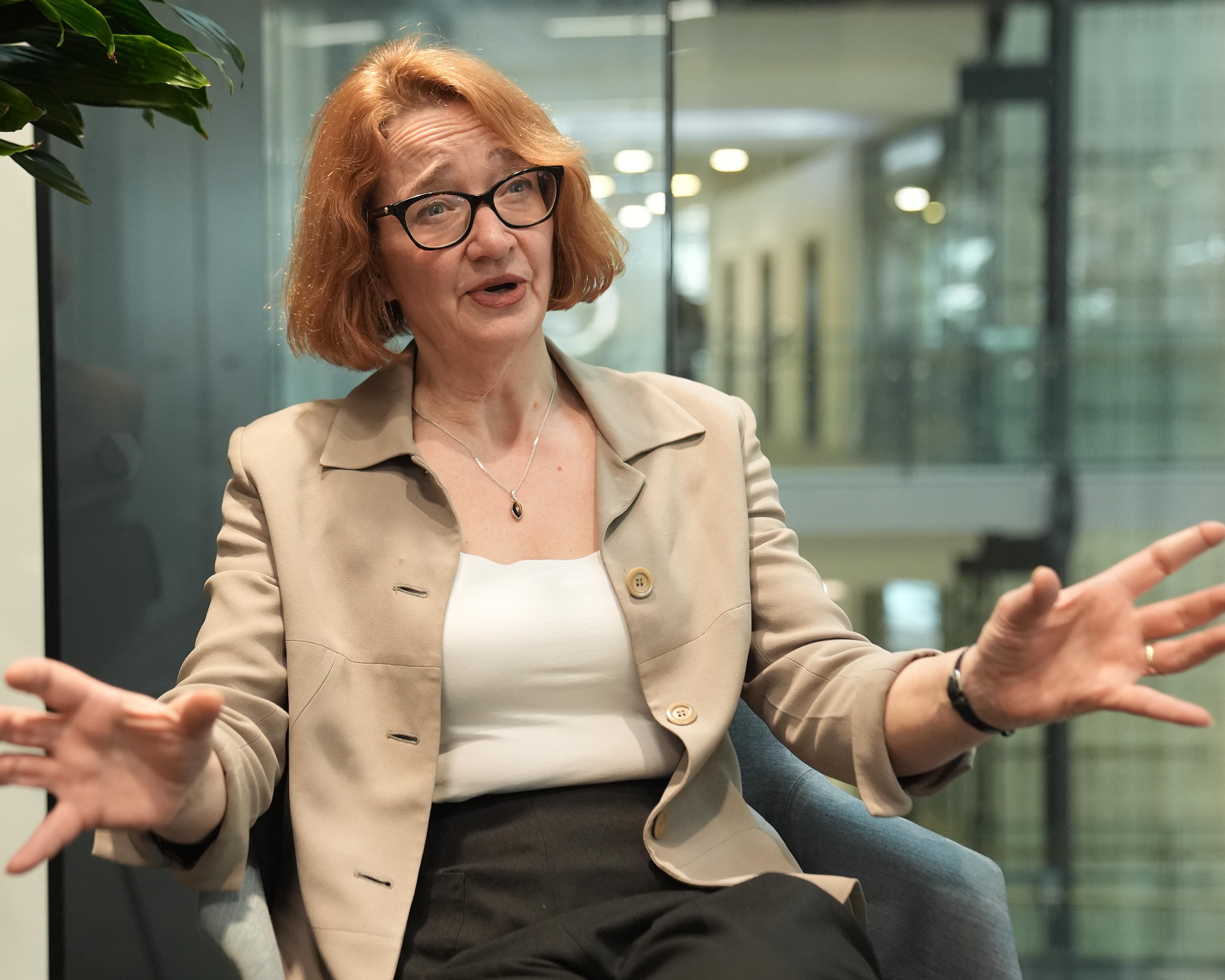
EHRC chair Mary-Ann Stephenson emphasised that the commission is not altering the law but providing guidance on how to follow the Supreme Court’s clarification of existing statutes. “We are not deciding what the law should be. Parliament does that. The supreme court clarified what it is. We are just providing guidance for service providers on how they can best follow the law,” Stephenson stated. The draft code was submitted to the UK government last September, with ongoing criticism regarding ministerial delays from gender critical campaigners and businesses awaiting clarity.
The code reinforces the April Supreme Court ruling in the case brought by gender critical campaigners For Women Scotland against the Scottish government. It states that if a service provider admits a transgender person to a service aligned with their lived gender, the service can no longer be classified as single-sex and the provider faces a high risk of legal challenge. However, the code warns that failing to offer alternative facilities, such as gender-neutral toilets, may constitute discrimination on the basis of gender reassignment.
Businesses have expressed concern over the "minefield" of competing legal rights and the practicalities of policing facilities. Specific examples provided include guidance on group counselling sessions for female survivors of domestic violence, where excluding a male-presenting trans man may be a proportionate means of achieving a legitimate aim. The code covers all nine protected characteristics, including disability, race, and sexual orientation, but there is especial focus on this update because it also includes practical guidance on how to apply last year’s supreme court ruling about single-sex spaces.
The new code also introduces new protections for women with severe menopause, breastfeeding women, and updates regarding same-sex marriage. It will be laid before parliament for 40 days, as a formality, after which the equalities minister, Bridget Phillipson, issues a statutory instrument and it comes into force and is then subject to the EHRC’s enforcement powers.