EHRC mandates biological sex for single-sex facilities in updated code of practice
The Equality and Human Rights Commission’s new code follows a Supreme Court ruling, sparking debate over inclusion, legal risk, and practical implementation across England, Wales, and Scotland.
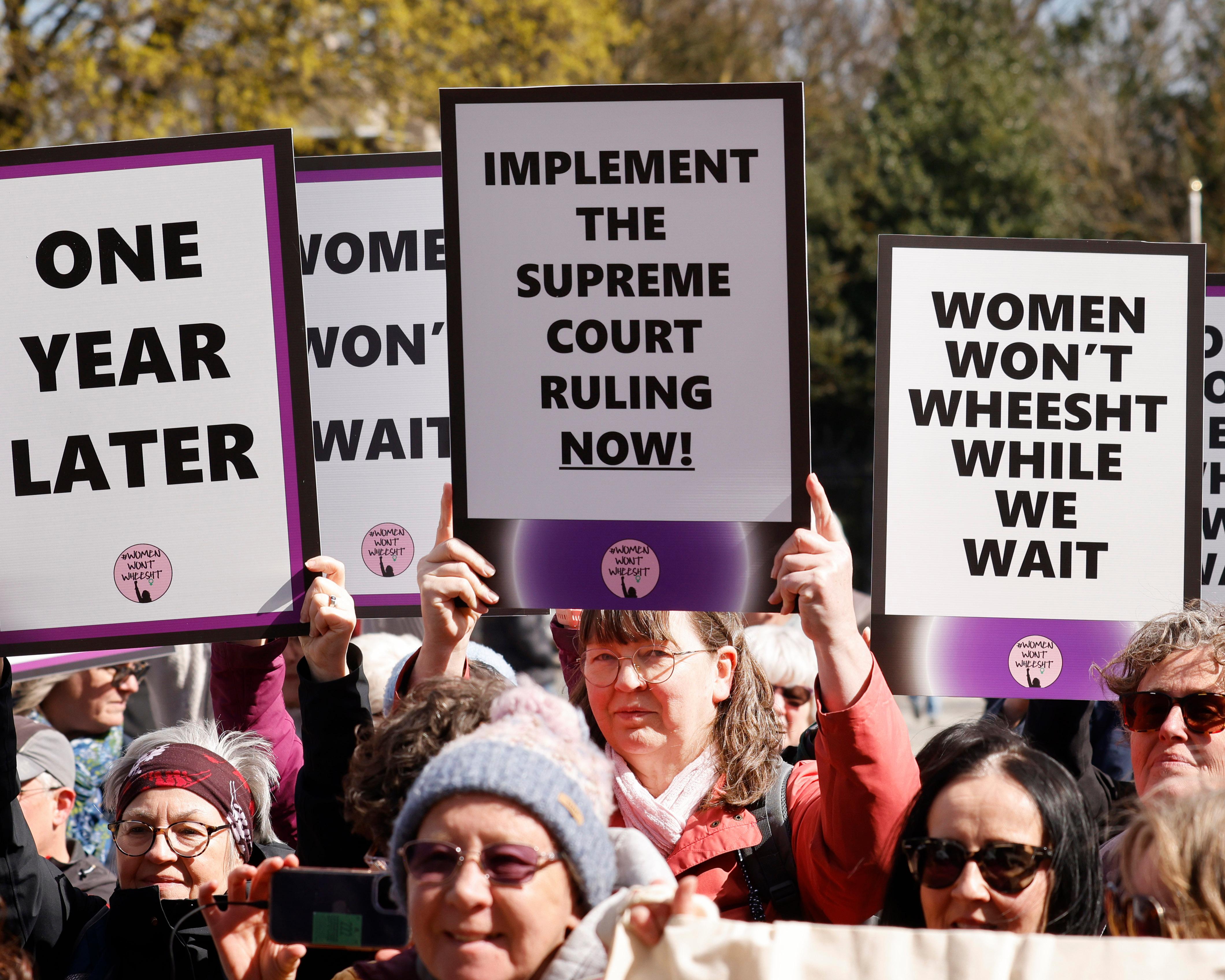
The Equality and Human Rights Commission (EHRC) has published an updated code of practice for England, Wales, and Scotland, mandating that single-sex toilets and changing rooms be restricted to individuals based on biological sex. The guidance, which applies to public bodies, businesses, and service providers, follows a landmark April 2025 Supreme Court ruling that interpreted the term 'sex' in the Equality Act 2010 as referring exclusively to biological sex.
Equalities Minister Bridget Phillipson laid the draft document before parliament on Thursday afternoon, initiating a 40-day consideration period before it comes into force. The EHRC stated that if a service provider admits a transgender person to a service aligning with their lived gender, that service can no longer be described as single-sex, and the provider is "very likely" to face legal challenge.
While the code requires exclusion from single-sex facilities, it advises service providers to offer practical alternatives, such as gender-neutral or individual lockable toilets, to avoid disadvantaging transgender users. The document notes that while it is unlikely to be practical to question an individual’s sex, it may be legitimate if concerns are raised regarding physical appearance, behaviour, or complaints from other service users.
In healthcare settings where mixed-sex accommodation is unavailable, transgender patients must be accommodated on the single-sex ward corresponding to their biological sex. However, the code states it would be disproportionate to exclude a transgender man from obstetrics and gynaecology outpatient services based on objections from female patients. EHRC Chair Mary-Ann Stephenson described the focus on toilet access as a "hyperfocus," calling for a wider conversation about practical solutions similar to those used for women escaping violence.
Responses to the 340-page document have highlighted deep divisions. The Trans+ Solidarity Alliance director Alexandra Parmar-Yee described the guidance as a "section 28 moment," warning it risks pushing transgender people further out of public life. Conversely, Women Scotland co-founder Susan Smith hailed it as a significant milestone for women’s rights, urging public bodies to cease evading their responsibilities. Disabled rights campaigners have also expressed concern that the segregation mirrors exclusionary practices faced by disabled people.