UK condemns ‘dangerous’ Russian intercepts of surveillance plane over Black Sea
The Ministry of Defence has lodged a formal complaint after Russian jets flew within six metres of an unarmed RAF Rivet Joint, triggering emergency systems in international airspace.
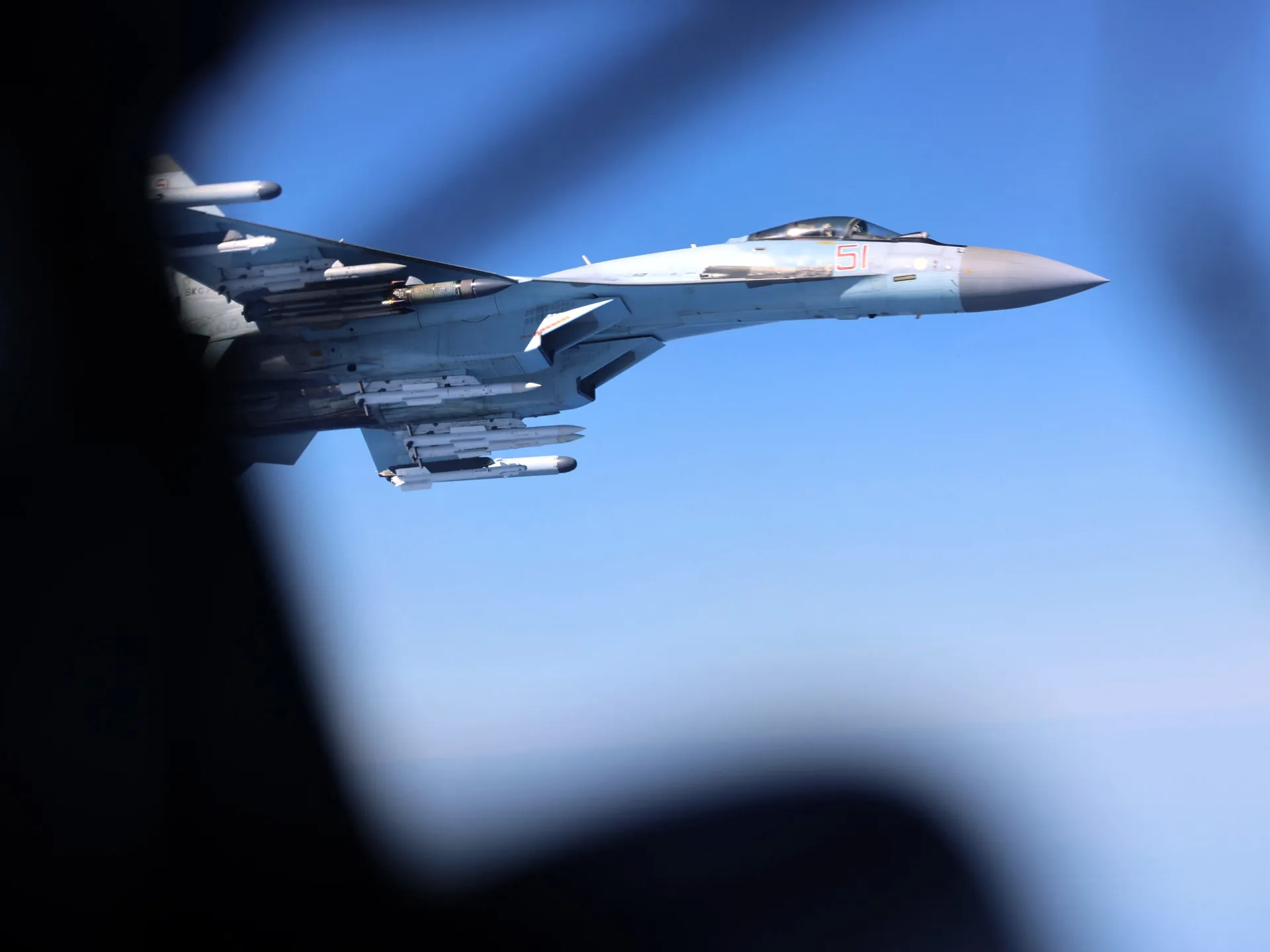
The United Kingdom’s Ministry of Defence has formally complained to the Russian embassy following a series of dangerous intercepts involving Russian fighter jets and a British Royal Air Force surveillance aircraft. The incident, which occurred in April over the Black Sea, saw two Russian jets repeatedly approach an unarmed Rivet Joint plane while it was conducting routine operations in international airspace.
According to a statement released on Wednesday, the British aircraft was tasked with securing NATO’s eastern flank when it was intercepted by a Russian Su-35 and a Su-27. The Su-35 flew close enough to the surveillance plane to trigger its emergency systems and disable the autopilot. Meanwhile, the Su-27 conducted six passes, flying within six metres of the Rivet Joint’s nose.
Defence Minister John Healey condemned the manoeuvres as unacceptable, stating they created a serious risk of accidents and potential escalation. He described the event as the most dangerous Russian action against a UK surveillance plane since 2022, a period marked by a controversial incident where a Russian plane released a missile over the Black Sea, which Moscow later attributed to a technical malfunction.
The intercepts follow heightened tensions between London and Moscow, including recent disclosures regarding Royal Navy operations in Atlantic waters. Days after the Black Sea incident, Healey announced that British forces had tracked and “seen off” three Russian submarines during an alleged monthlong covert operation near vital undersea cables and pipelines north of the UK.
Despite the severity of the air incident, the Ministry of Defence affirmed that the UK’s commitment to defending NATO and its allies from Russian aggression remains unchanged. A defence review conducted last year concluded that Russia poses an immediate and pressing threat to the nation, underscoring the strategic importance of the surveillance missions now under scrutiny. There was no immediate reaction from Russian authorities to the UK’s formal complaint.