UCL research links compulsory GCSE resits to lower student wellbeing in England
A University College London study indicates that mandatory resits for English and maths negatively affect the mental health of teenagers, a finding that contrasts with outcomes in Wales and Northern Ireland.
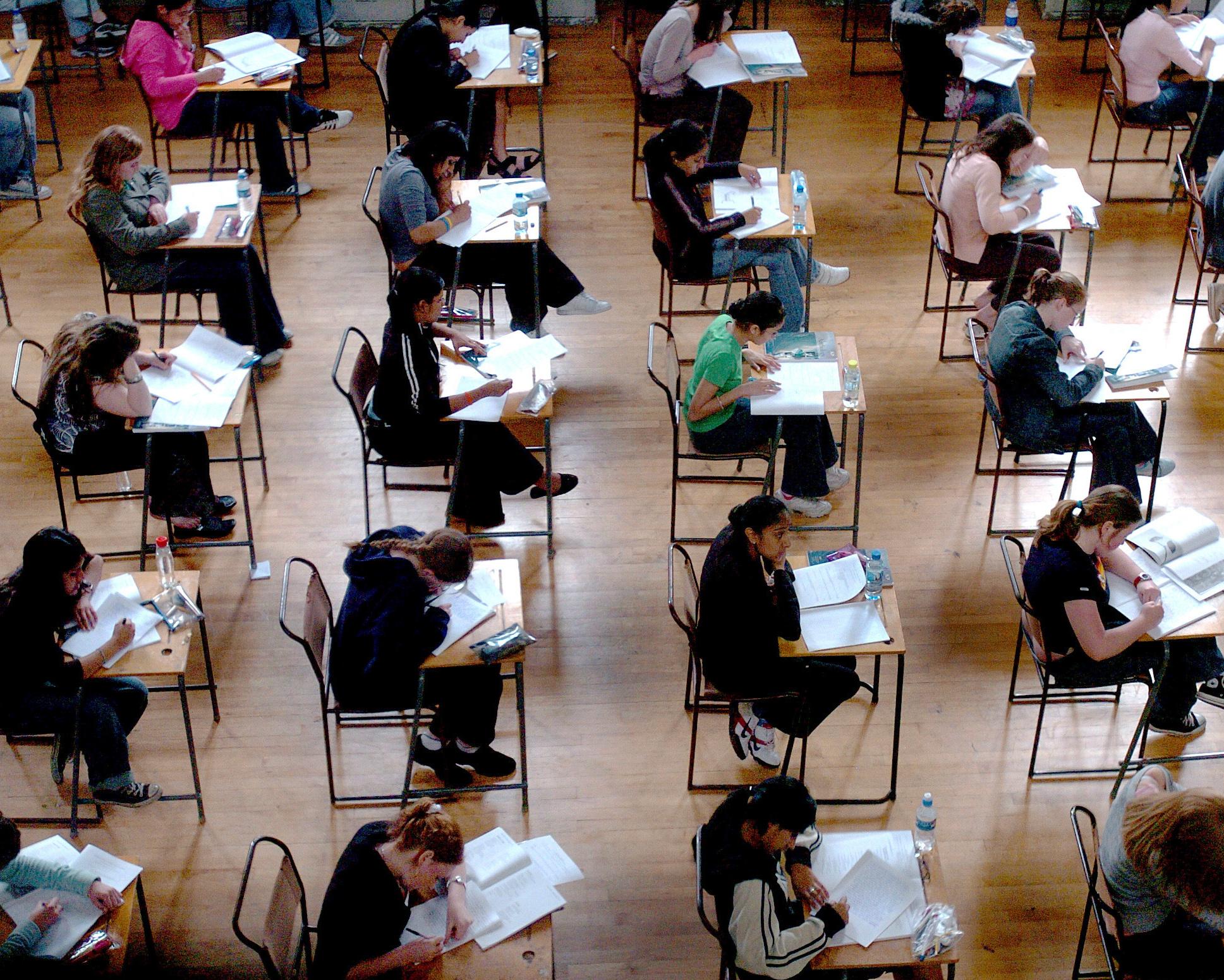
Research from University College London (UCL) has identified a significant link between compulsory GCSE resits in England and reduced mental wellbeing among teenagers. The study, which compares students in England, Wales, and Northern Ireland, found that only those in England, where resits are mandatory, exhibited significantly lower wellbeing after failing to achieve a grade 4 in English or maths.
Robbie Maris, a research fellow at UCL and co-author of the study, noted that the impact on self-confidence could contribute to the rise in young people not in education, employment, or training. Maris warned that repeated exam attempts may lead to disengagement, with some students failing to enter exams or dropping out of education entirely. The researchers stated that after adjusting for other factors, the difference in outcomes between England and the other regions pointed to the policy setting as a primary driver of these effects.
The compulsory resits policy was introduced in 2014, requiring students who do not achieve a grade 4 pass in English or maths at age 16 to continue studying these subjects to access funded further education. This year, approximately 180,000 students are expected to retake GCSE English and 175,000 to retake maths, following record numbers of 16-year-olds receiving grades below 4 last year.
The study also highlighted distinct gender patterns in the data. The most significant impact on girls was observed among those who narrowly missed a grade 4 in maths, while for boys, the greatest impact was among those substantially below the threshold in English. In contrast, boys who failed maths and girls who failed English showed little to no downturn in wellbeing. Maris suggested that existing gender norms and self-efficacy issues in these subjects may explain the pattern, though further research is required.
The policy has faced criticism since its introduction, with success rates among 17- to 19-year-olds declining in recent years. Last year, fewer than 20% of resitting students achieved a grade 4 or above in English, and about 15% did so in maths. In 2018, Angela Rayner, then shadow education secretary, stated that a Labour government would scrap compulsory resits. However, a skills white paper published last year maintained the resits requirement while proposing a new “stepping stone” qualification for students with grades of 2 or below.
The Department for Education acknowledged that repeated resits without grade improvement can be demoralising. In response, the department announced new 16-19 English and maths qualifications designed to prepare students before they resit their GCSEs. The government has also mandated that providers offer a minimum of 100 teaching hours per subject, supported by extra funding and free teacher training, to ensure students have a genuine chance of success.