Government to fund 22,000-tonne illegal waste clean-up in three regions
Prime Minister Andy Burnham has announced a taxpayer-funded initiative to clear illegal waste dumps in West Yorkshire, Surrey, and Kent, alongside a significant increase in fines and the deployment of AI-powered drones to monitor environmental crime.
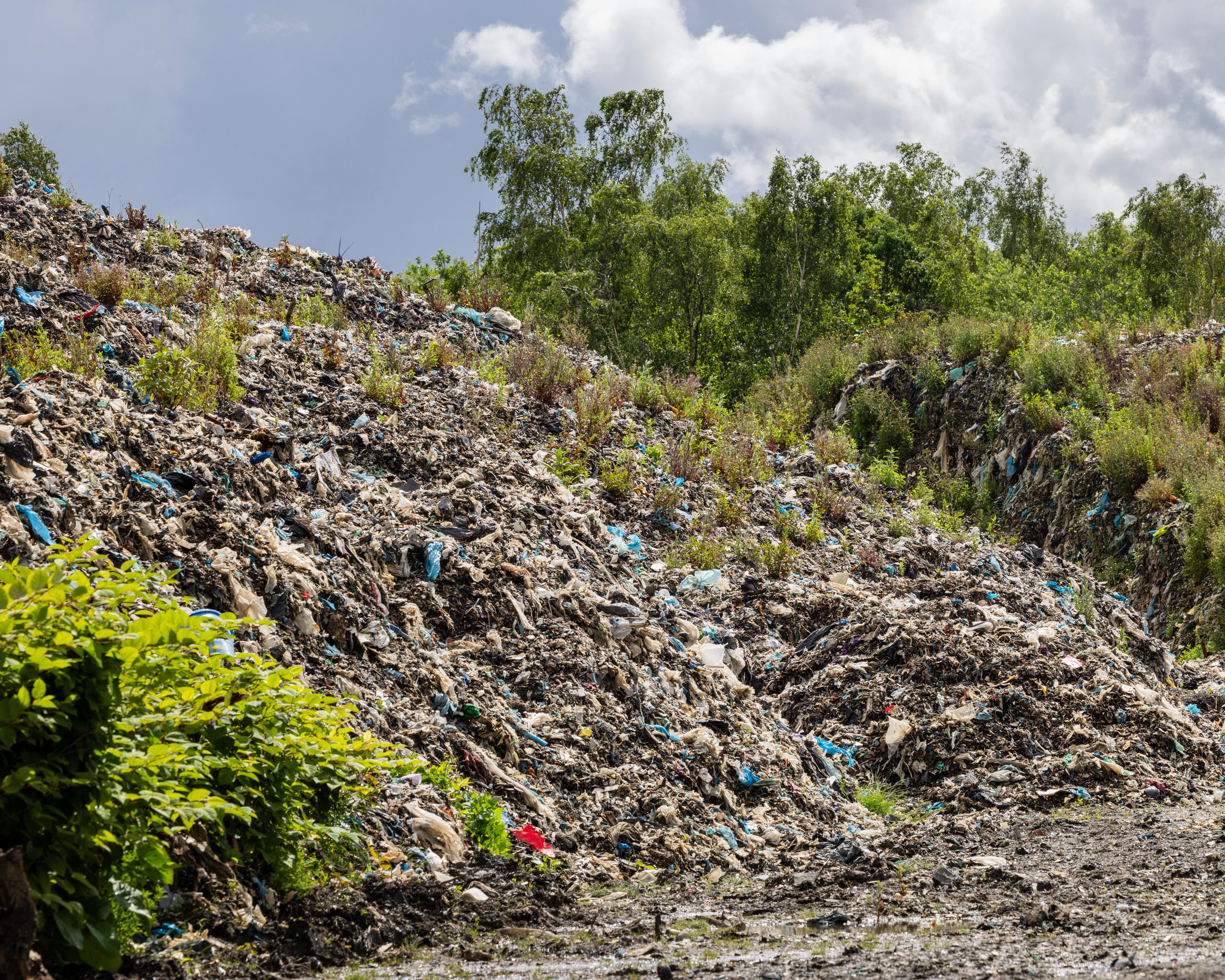
The UK Government has confirmed that public funds will be used to remediate illegal waste sites in Bradford, Runnymede, and the Isle of Sheppey. These three locations, situated in West Yorkshire, Surrey, and Kent respectively, contain approximately 22,000 tonnes of illegal waste. The decision marks the next phase of a national clear-up effort, with Downing Street citing the scale of the dumps, the risk to nearby communities, and links to organised crime as the primary factors for their selection.
Prime Minister Andy Burnham stated that the initiative aims to address issues previously ignored by Westminster. "These toxic dumps have blighted communities for too long. I said we would clean them up – and that’s exactly what we’re announcing today," Burnham said. He characterised the waste sites as a sign that politics had not been working for local areas, promising that the government would tackle these long-standing problems.
To complement the clean-up operations, the government is introducing stricter enforcement mechanisms. Fines for illegal dumping or the failure to treat waste correctly will increase from £300 to £5,000. While tougher sanctions, including imprisonment, already exist for more serious offences, the new financial penalties are designed to deter rogue dumpers. The government also plans to deploy 33 AI-powered drones fitted with light detection and ranging technology. These drones are intended to create detailed maps of illegal waste sites and detect dumping activity in real-time.
The announcement follows a BBC investigation that identified 11 "supersites" across England containing more than 20,000 tonnes of rubbish. The Environment Agency has already conducted 42 site visits, suspended or revoked 17 permits, and launched over 30 criminal investigations as part of its initial crackdown. In February, Varun Datta, a ringleader of a waste crime gang, was ordered to pay £1.4m after being convicted for organised illegal dumping at 16 sites, including a historic manor house and a nature reserve in Lancashire.
The policy shift also involves a reconfiguration of enforcement responsibilities. Burnham has called for police and the National Crime Agency to play a larger role in tackling waste crime. In West Yorkshire and Greater Manchester, mayors and council leaders will be asked to coordinate councils, police, regulators, and other enforcement agencies to ramp up crime prevention efforts.
The announcement highlights ongoing challenges in the prime minister’s own constituency of Makerfield. A notorious waste site there has remained uncleared for over 20 months, despite being identified for clean-up in March. Burnham won a byelection earlier this year, with voters citing the removal of the local waste site as a key motivation for their support.