Burnham government sets timeline for energy, transport and homelessness reforms
The Prime Minister has outlined a phased implementation schedule for key cost-of-living and public service measures, with funding sourced from reallocated budgets and tax adjustments.
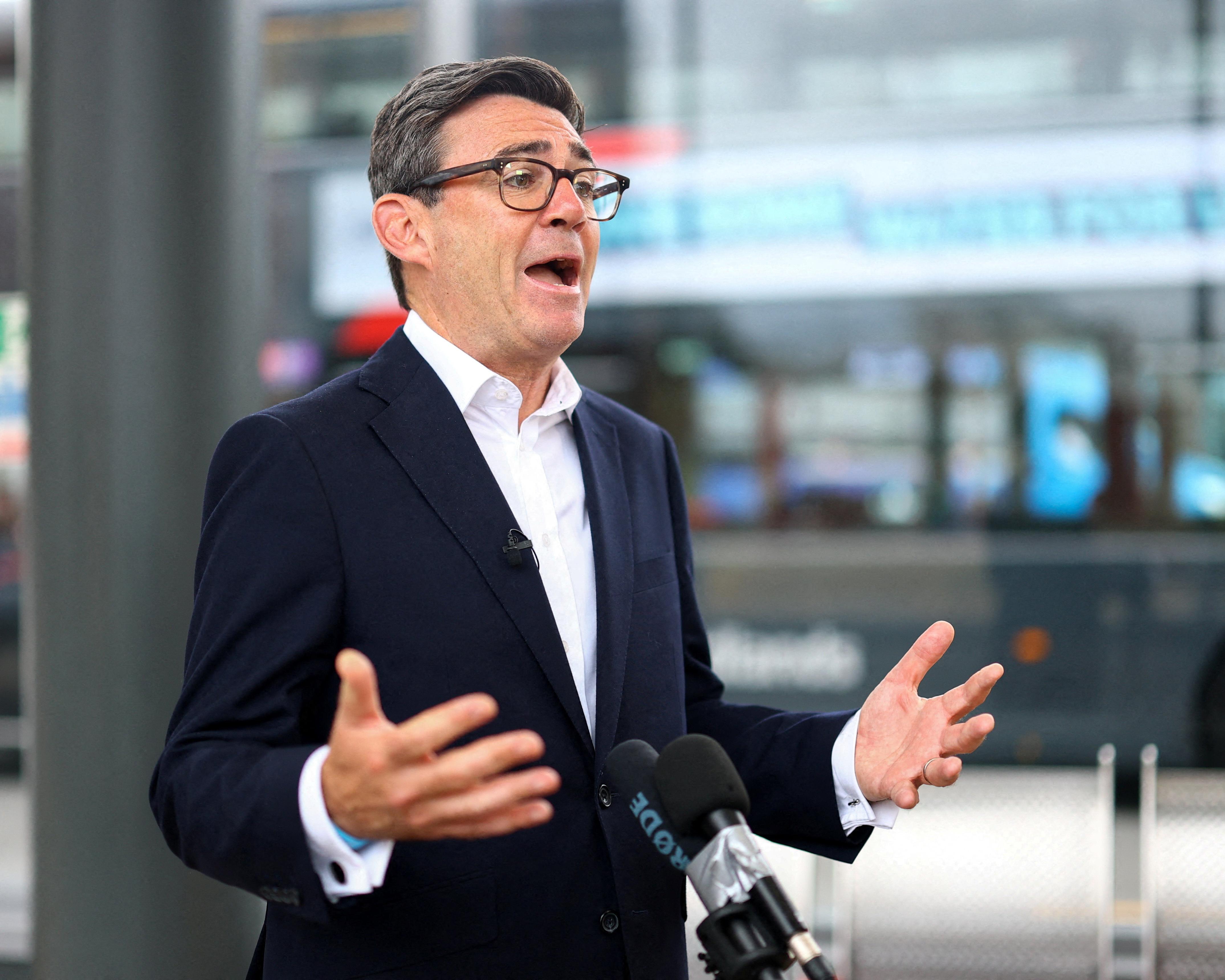
Prime Minister Andy Burnham has detailed the implementation timelines for a suite of policy measures aimed at reducing household costs and reforming public transport. The government’s agenda includes scrapping VAT on household electricity bills from October 2026, capping single bus fares in England at £2 from January 2027, and allocating £442m to address homelessness. These initiatives are designed to ease cost-of-living pressures while shifting certain public services under greater state control.
The most immediate change will be the removal of VAT on household electricity bills, effective from October this year. The government estimates this move will reduce the average household bill by £45, although actual savings will vary based on individual usage. To fund this tax cut, the administration has announced the termination of the digital ID scheme previously championed by Keir Starmer, which was projected to cost £1.8bn over three years. However, Darren Jones, the former chief secretary to the Treasury, has noted that the digital ID funds were unfunded, suggesting that the Prime Minister must clarify the funding mechanism at the next budget.
In the transport sector, single bus fares across England, excluding London, will be capped at £2 starting in January 2027. This cap reverses a fare increase implemented in 2024 and is expected to cost £454m. The measure will remain in place until the end of 2027. Funding for the fare cap is to be derived from switching investment in international climate finance to loans and identifying savings within the Department for Energy Security and Net Zero. While the government has allocated funds for devolved governments to make similar moves, experts have raised concerns that diverting aid budgets for domestic transport costs may leave vulnerable populations in other regions exposed to climate risks.
The government has also committed to a £442m national drive to address homelessness, with the aim of making "real progress" by Christmas. This allocation comprises £102m for medical care and addiction support, and £340m from existing housing budgets to facilitate accommodation. Prime Minister Burnham has stated that while a specific target for ending rough sleeping has not been set, everyone sleeping rough will be offered a route off the streets. Officials acknowledge that they cannot force individuals into accommodation if they decline the offer.
Further transport reforms include extending free bus travel for disabled people in England to all times of day, seven days a week, from April 2027. This change, funded by a £60m commitment, replaces the current weekday-only entitlement to ensure those needing to travel earlier for work or appointments do not lose out. Additionally, the West Midlands Combined Authority will receive an extra £11.5m over three years to bring its bus network under public control. This transition is expected to protect approximately 4,800 jobs and keep 750 buses running daily, with the broader cost of the deal still being finalised.
Finally, a 20% cut in business rates for pubs, social clubs, and most live music venues is scheduled to take effect in April 2027. The government estimates that around 32,000 businesses will benefit, with the average pub saving at least £1,100 annually. The measure is expected to cost approximately £100m a year. Ministers have indicated that this will be funded by increasing business rates for other sectors, such as vape shops, and by cracking down on overseas sellers avoiding VAT on online marketplaces.