Trump proposes annexation of Strait of Hormuz as Iran conflict stalls
Legal experts warn the move violates international law, while Tehran dismisses the claim as illegitimate amid ongoing ceasefire negotiations.
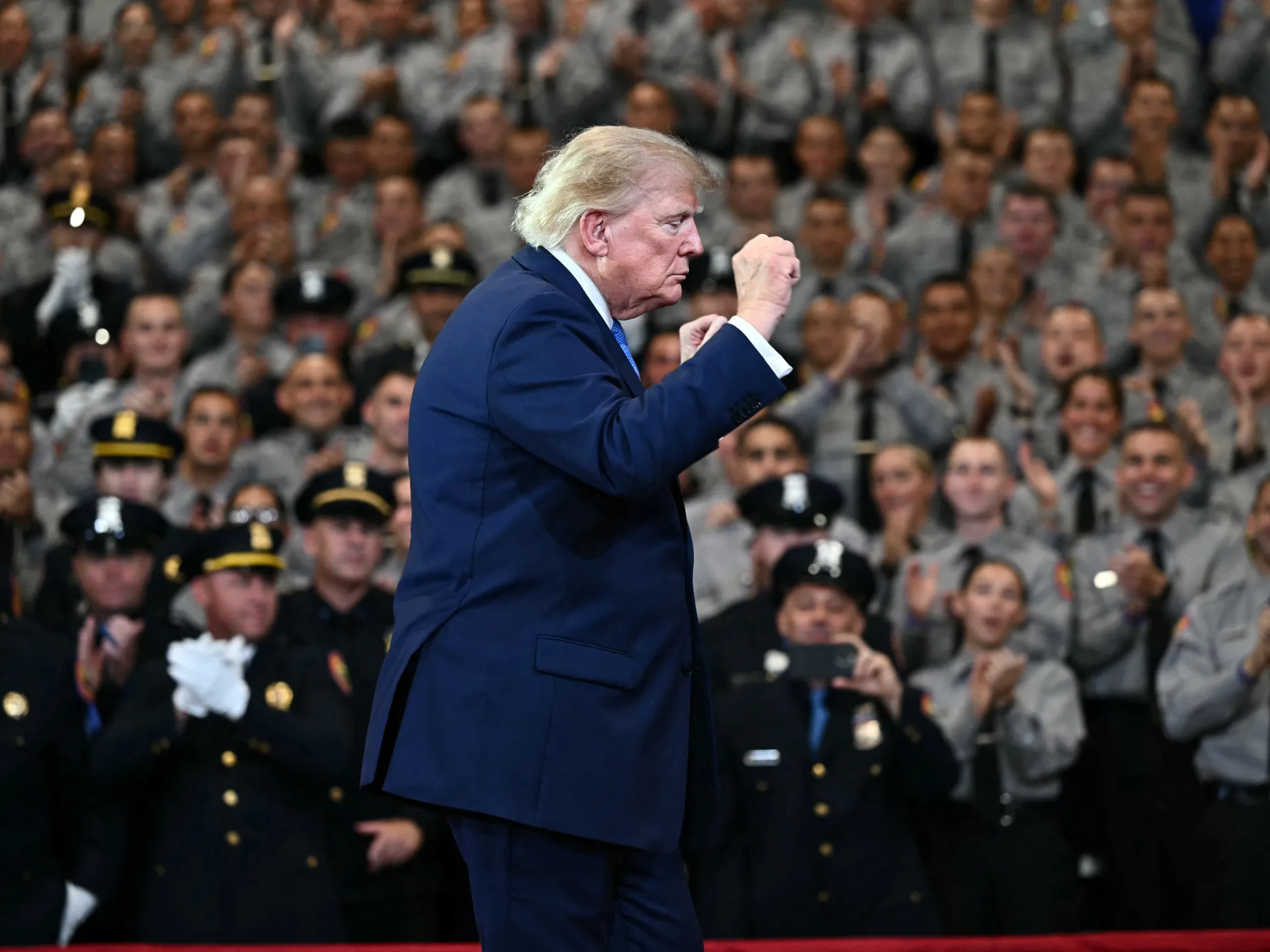
US President Donald Trump has announced plans to declare the Strait of Hormuz a territory of the United States, a move that further complicates ceasefire negotiations with Iran. Speaking to law enforcement officials in New York on Friday, Trump stated the declaration would follow the "defeat" of Iran, framing the US blockade as an unstoppable "wall of steel" that serves as a public service for global commerce.
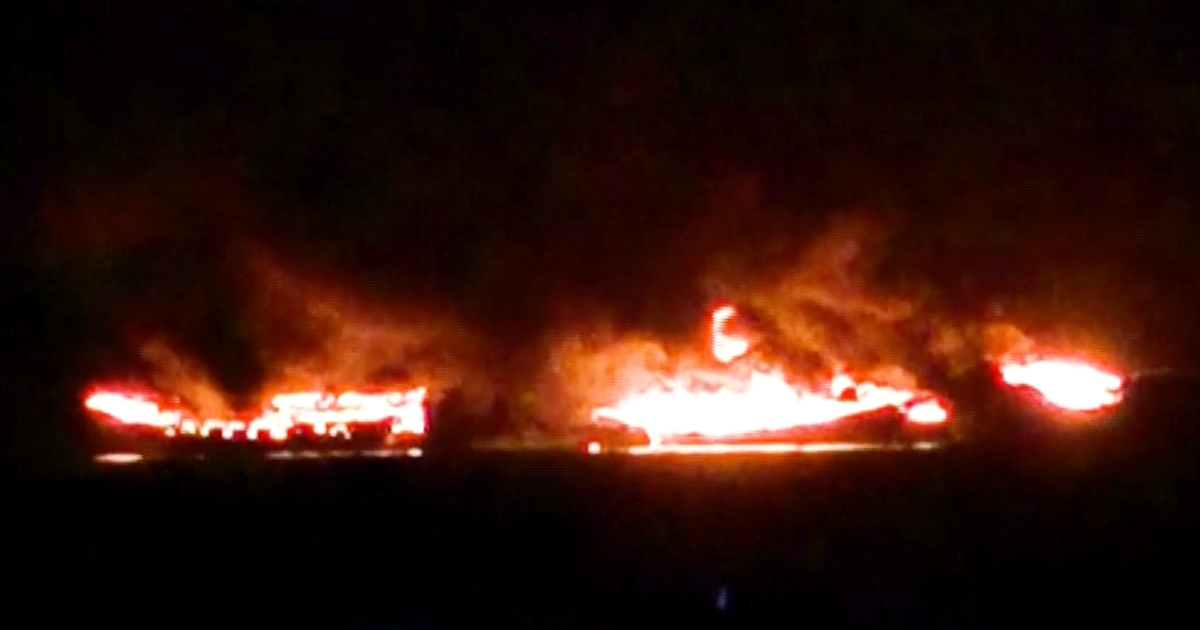
The announcement arrives as the conflict between the US and Iran, which began with aggressive strikes on February 28, 2026, enters its fifth month. Control of the strait, which previously handled approximately 20 percent of the global oil supply, has become a central sticking point in talks. Iran has restricted traffic through the waterway in response to the war, while the US has established its own blockade, recently firing on a cargo vessel accused of attempting to reach Iranian ports.
Iran’s deputy foreign minister for legal and international affairs, Kazem Gharibabadi, swiftly rejected the proposal on social media. He asserted that the strait cannot be annexed by decree or military force, stating that Iran is neither intimidated by threats nor swayed by election rhetoric. Legal experts have similarly noted that imposing tolls or claiming sovereignty over the waterway would likely contravene international law, which protects the free transit of commercial maritime vessels.
The timing of Trump’s remarks coincides with his campaign efforts for the 2026 midterm elections, where Republican control of Congress is at stake. Despite his assertions of victory, the war remains unpopular domestically, with a Quinnipiac University poll from late July indicating that 60 percent of US voters oppose military action against Iran. Reports also suggest the US faces limitations on further escalation due to strain on munitions stockpiles.
Diplomatic efforts have previously faltered, including a June memorandum of understanding that required Iran to ensure safe passage for commercial vessels. Both sides later alleged violations of the agreement, leading to resumed fighting. As negotiations continue to stall, Treasury Secretary Scott Bessent indicated that new economic measures against Iran may be unveiled in the coming days, while Trump reiterated his intention to use economic leverage to isolate Tehran.