Trump extends Iran sanctions as Sanaa hosts Houthi rallies
The US President’s decision to prolong economic pressure on Tehran coincides with mass street demonstrations in Yemen’s capital, highlighting the shifting dynamics of regional governance.
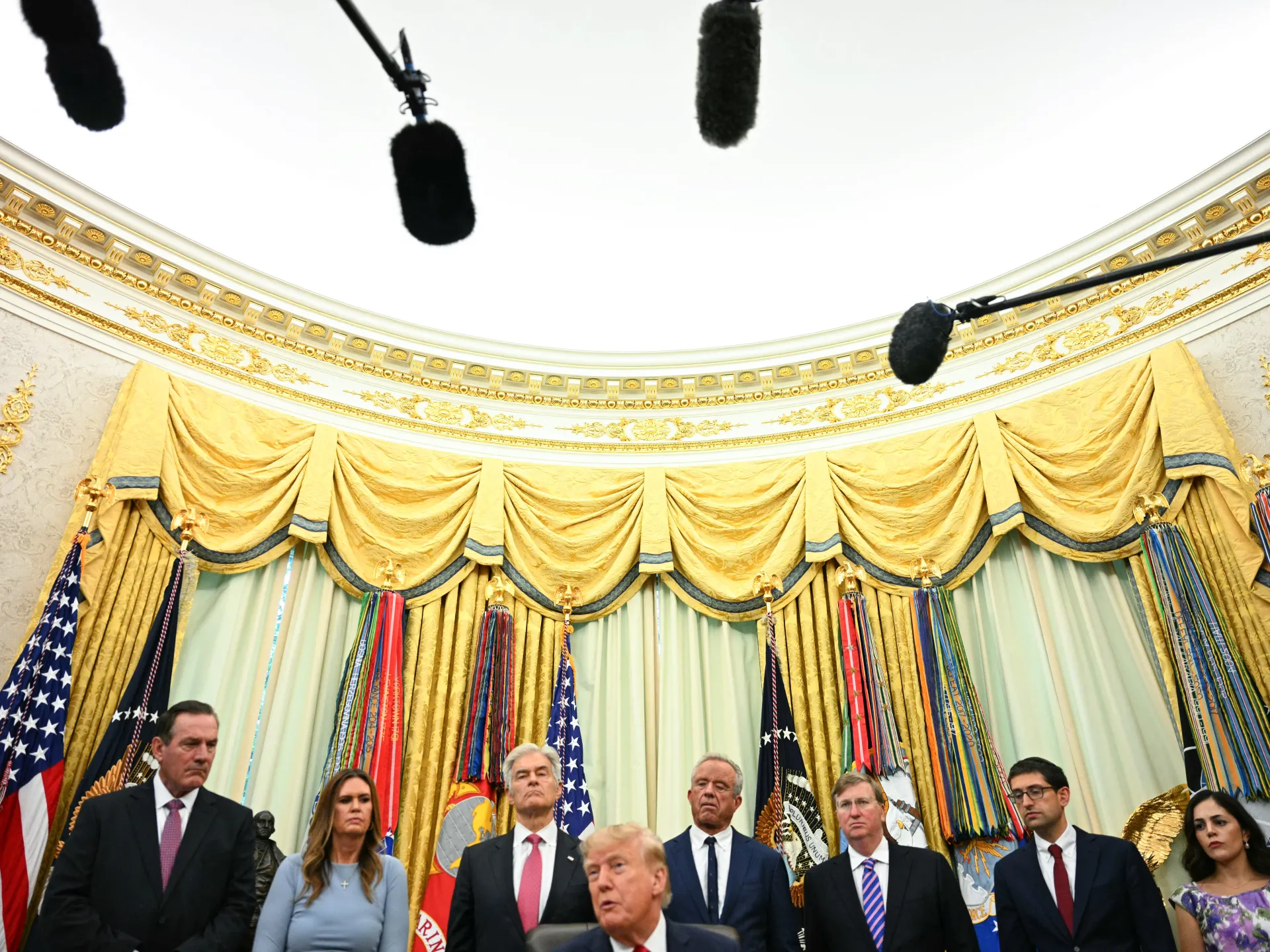
US President Donald Trump has extended sanctions on Iran, a policy move that underscores the continued institutional friction between Washington and Tehran. The decision signals a sustained approach to economic leverage, maintaining pressure on the Iranian state without specifying new immediate terms in the initial reporting.
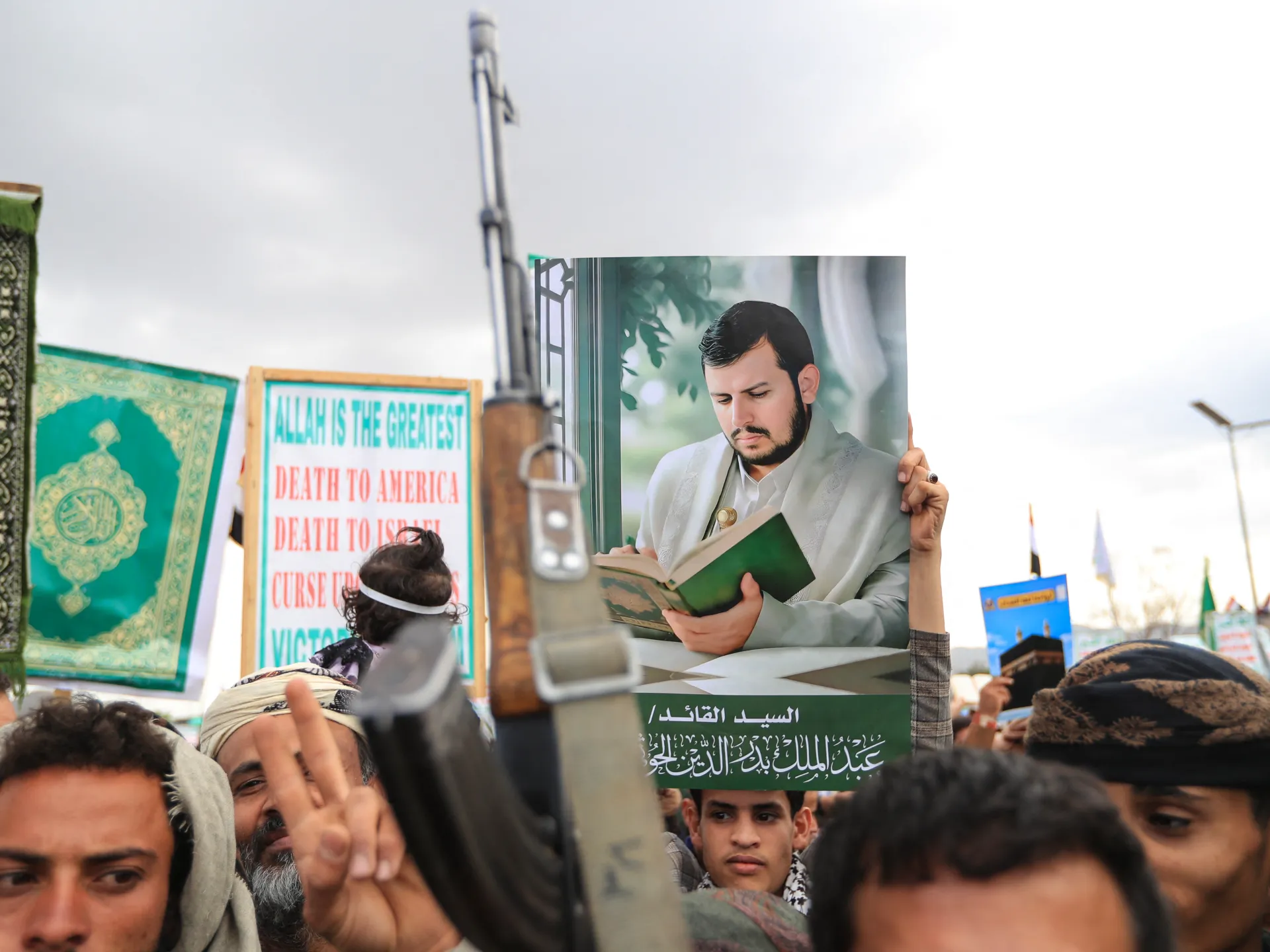
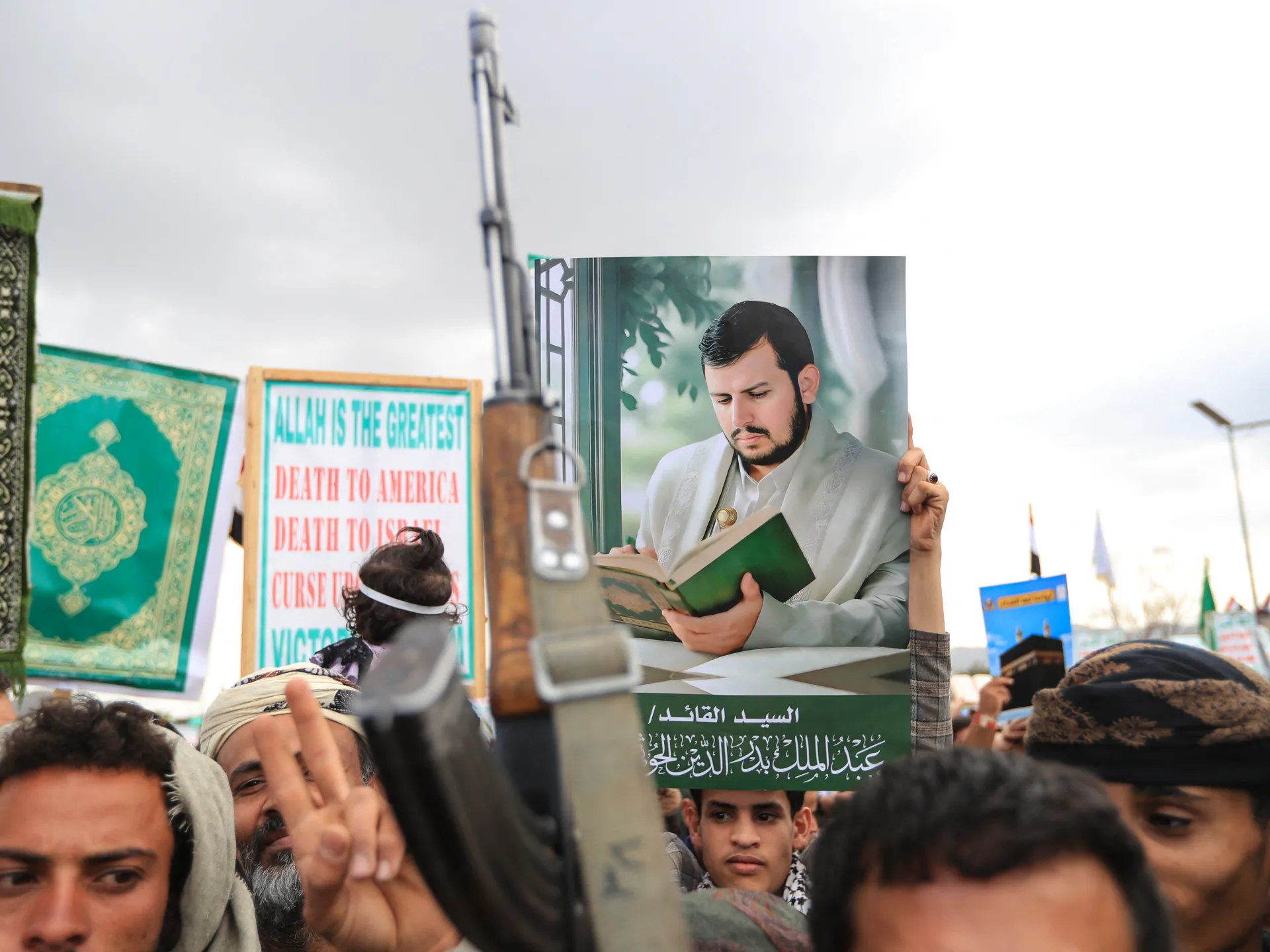
Simultaneously, thousands of people took to the streets in Sanaa to demonstrate support for the Houthis. The gathering in the Yemeni capital reflects the enduring popularity of the group among local populations, serving as a visible indicator of their domestic political standing.
While these two developments occurred concurrently, the available reporting presents them as parallel events rather than establishing a direct causal link. The simultaneous nature of the sanctions extension and the Houthi rallies, however, suggests a complex interplay between US foreign policy and regional militant influence.
The Houthis remain a significant player in the regional security landscape, frequently linked to Iranian influence. Their ability to mobilise thousands in Sanaa indicates a level of organisational capacity that complicates broader diplomatic efforts in the region.
For policymakers, the extension of sanctions represents a continuation of existing frameworks rather than a radical departure. The lack of detailed scope in the initial announcement leaves room for further institutional analysis as the full implications of the measure are unpacked.
The events in Sanaa and the US policy shift together paint a picture of a region where economic tools and street-level mobilisation operate in tandem. As details of the sanctions evolve, the governance implications for both Iran and its regional allies will require close monitoring.