US enacts statutory framework for Russia and Iran sanctions
The Lindsey O. Graham Sanctioning Russia and Iran Act of 2026 shifts economic pressure from executive action to permanent law, targeting energy sectors and granting tariff authority over major importers.
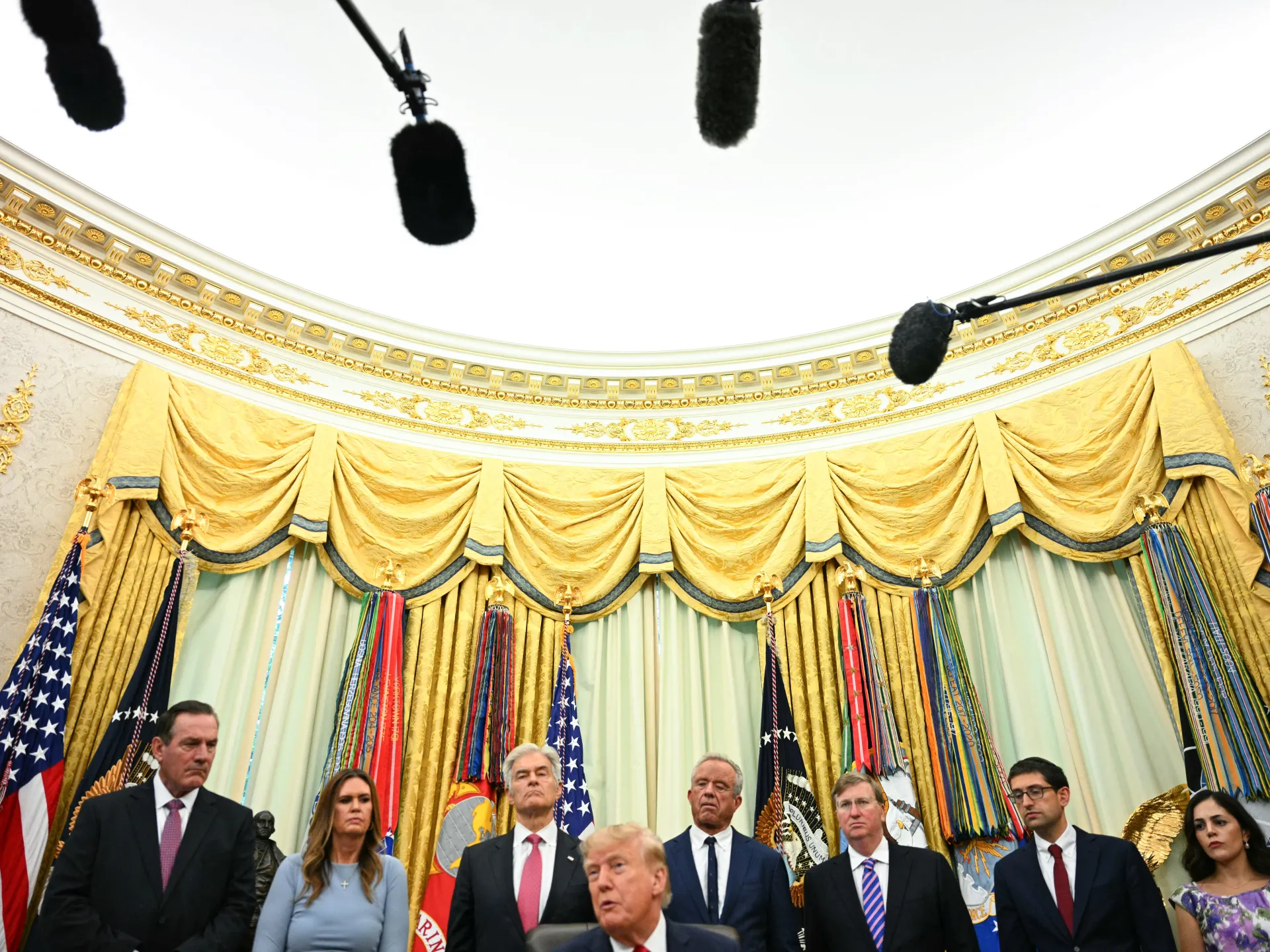
US President Donald Trump has signed the Lindsey O. Graham Sanctioning Russia and Iran Act of 2026 into law, establishing a permanent statutory framework for economic pressure on Moscow and Tehran. The legislation, which passed the House of Representatives with rare bipartisan support, moves beyond previous executive actions by codifying sanctions into law. It targets Russia’s energy, defence, and financial sectors, as well as the “shadow fleet” of tankers used to transport Russian oil.
The bill, which honours the late Republican senator who died in July, was co-written with Democratic Senator Richard Blumenthal. It passed the Senate last month and the House on Wednesday, with 58 Democrats crossing party lines to support the measure. This marks the first major Ukraine-related bill to clear Congress in more than two years, signalling a shift in institutional approach to the conflict.
A key provision of the Act grants the President authority to impose tariffs of up to 100 per cent on the five largest buyers of Russian oil and gas. This measure is expected to impact China and India most significantly, as they are the top importers of Russian crude. The legislation also extends existing sanctions to Iran’s energy and weapons sectors, broadening the scope of the economic package.
Supporters of the bill argue it is designed to weaken Kremlin war funding and push for negotiations. Ukrainian President Volodymyr Zelenskyy described the legislation as “an extremely powerful tool” after lobbying lawmakers ahead of the vote. House Speaker Mike Johnson stated the bill places “maximum pressure” on the “Russian war machine,” while Senator Blumenthal told Russian President Vladimir Putin: “We have your number.”
However, the bill faced opposition from some Democrats. House Minority Leader Hakeem Jeffries argued that the tariff powers would raise costs for American families and cited “loopholes” in the sanctions provisions. India, which warned earlier in the week that the tariffs could affect bilateral ties, stated it “remains firmly committed to ensuring energy security for its 1.4 billion people.”
The signing comes approximately one week before Trump is due to host Chinese President Xi Jinping at the White House. This timing adds a layer of diplomatic complexity to the new statutory authority, as the US seeks to balance economic pressure on Russia with trade relations with its largest rivals.