Trump Confronts Strategic Dilemma as Iran Ceasefire Collapses
With the April 8 ceasefire on “life support” and ammunition stockpiles depleted, the US president faces a choice between military escalation and political concession.
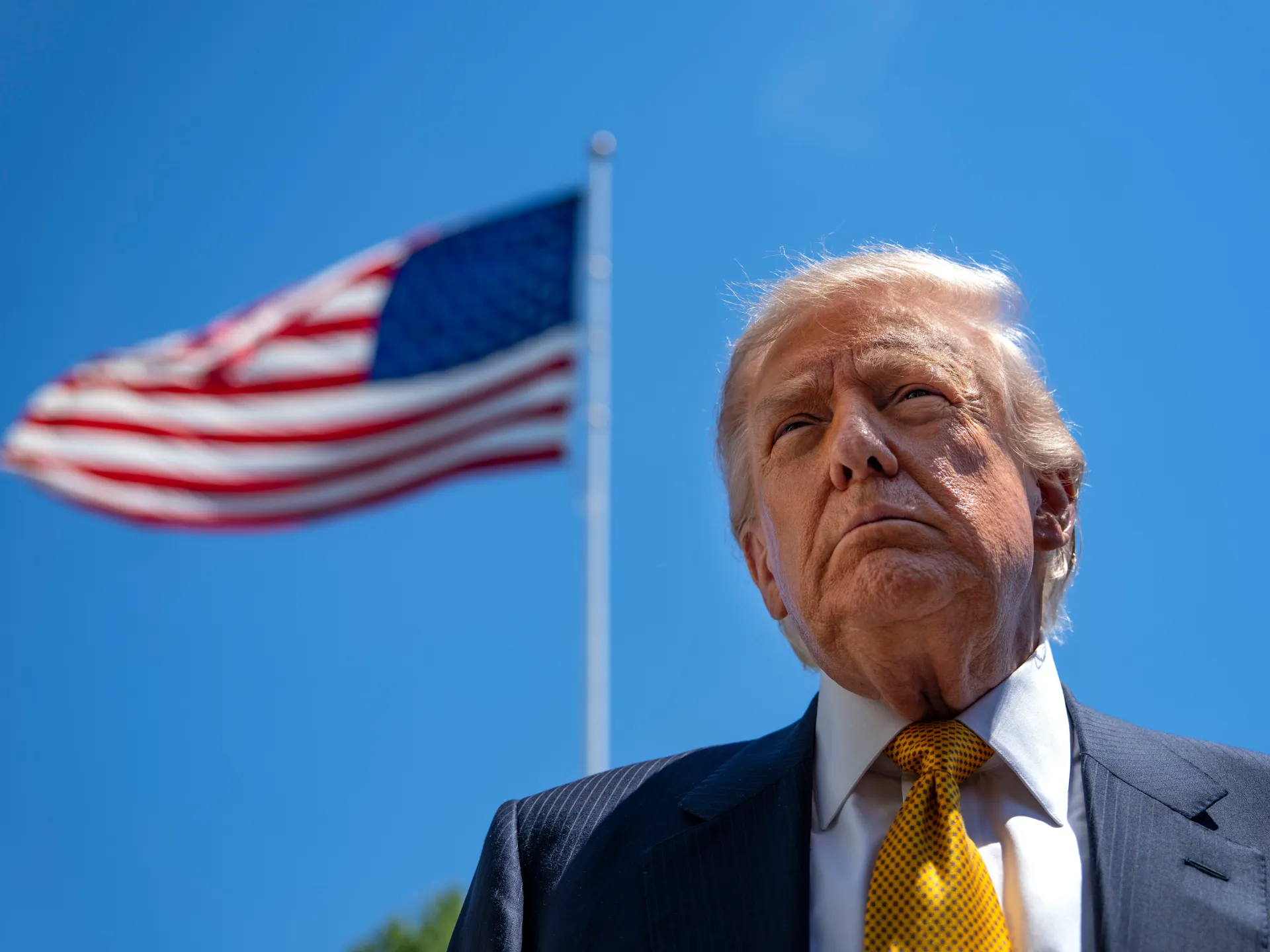
US President Donald Trump is navigating a deteriorating diplomatic and military situation with Iran as peace talks stall and the ceasefire established on 8 April collapses. The conflict has intensified following Trump’s “Project Freedom” initiative aimed at opening the Strait of Hormuz, which Iran countered with missile and drone attacks on the United Arab Emirates. In response, the US suspended the initiative but maintained a naval blockade. Domestic pressure is mounting due to rising energy prices, inflation, and low approval ratings (36%) ahead of the November midterm elections, with a Reuters/Ipsos survey indicating two-thirds of Americans lack clarity on the war’s rationale. Analysts warn that five weeks of bombing have depleted US ammunition stockpiles, potentially impacting readiness in the Indo-Pacific, while Iran maintains its nuclear programme and proxy networks despite infrastructure damage.
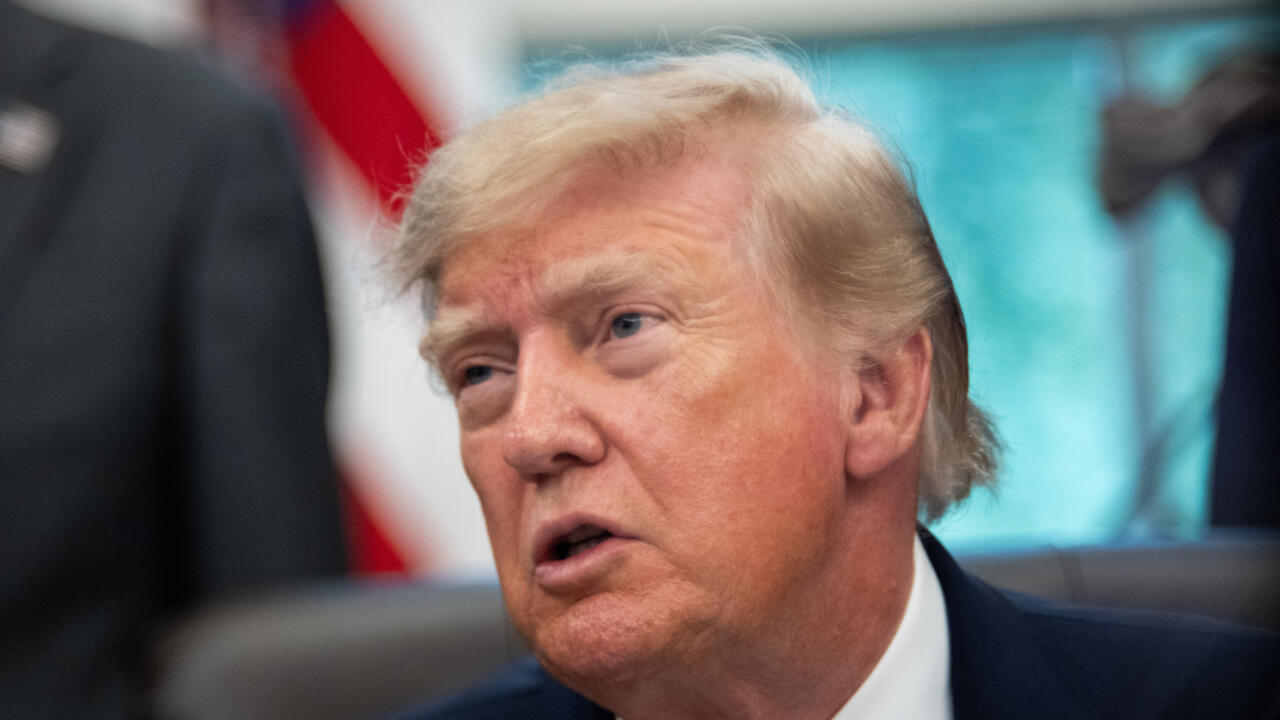
Optimism surrounding new peace proposals has faded as both sides insist the other must compromise for negotiations to resume. Trump has described the fragile ceasefire as being on “life support,” while administration officials have hinted at the possibility of resuming hostilities. However, analysts suggest the president is trapped between escalation and concession, with the region stuck in a grey zone of neither peace nor war. A resumption of fighting remains possible but is unpopular among Americans and could weigh heavily on Republicans ahead of crucial midterm elections.
Extricating the US from the conflict may require Trump to concede ground to Tehran, either on its nuclear programme or over Iran’s role in the Strait of Hormuz, a critical chokepoint for global energy exports. Tehran wants an end to the war on all fronts, including Lebanon, and seeks the lifting of sanctions and recognition of its influence over the waterway. Trump has dismissed Iran’s latest proposal as “garbage,” while Israeli Prime Minister Benjamin Netanyahu has suggested the war is not over, noting that Iran’s enrichment sites remain intact and its proxy networks active.
Domestic political pressure is intensifying as the war impacts household finances. The latest Reuters/Ipsos survey published on Tuesday indicates two-thirds of Americans do not believe Trump has provided a clear rationale for the war, while many feel the financial strain from rising gas, oil, and fertiliser prices. Trump’s approval rating has dropped to 36 per cent, down from 47 per cent last year, ahead of the November midterms that could determine control of Congress.
Experts warn that renewed hostilities could deplete US military stockpiles further, reducing readiness for potential confrontations with China in the Indo-Pacific. Allison Minor, a former State Department official, suggests Trump will likely prioritise a nuclear deal over control of the Strait of Hormuz, framing concessions as a victory to satisfy domestic markets. Meanwhile, Iran appears confident in its leverage, though it faces significant economic strain and military infrastructure damage, leaving the US with a set of difficult choices.