AI rules, Palestinian sovereignty and war shape UN debate
The 81st General Assembly debate ended with leaders divided over AI governance and pressing for Palestinian sovereignty, UN reform and respect for international law.
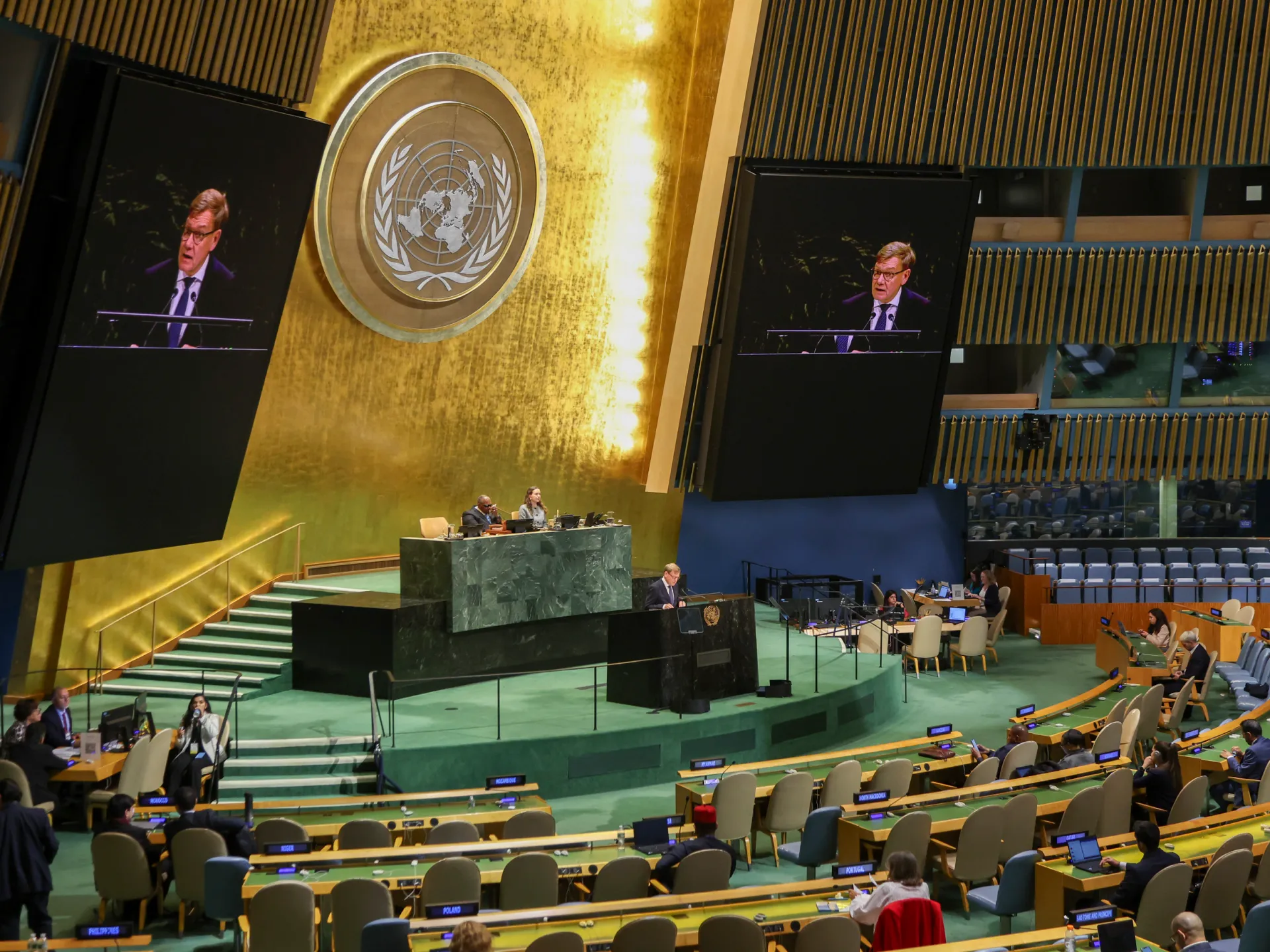
The United Nations’ 81st General Assembly general debate concluded on Monday, with leaders’ speeches focused on artificial intelligence, Palestine and wars, including the US-Israel war on Iran. UN Secretary-General António Guterres identified AI, climate change, wars and inequality as four tests shaping the world’s future.
Calls for Palestinian sovereignty came from France, Canada, Iraq, the United Kingdom and other countries. A US-led Board of Peace presented a proposed $2.4 billion reconstruction plan for Gaza, comprising 66 projects. The supplied report does not establish that the proposed funding has been secured.
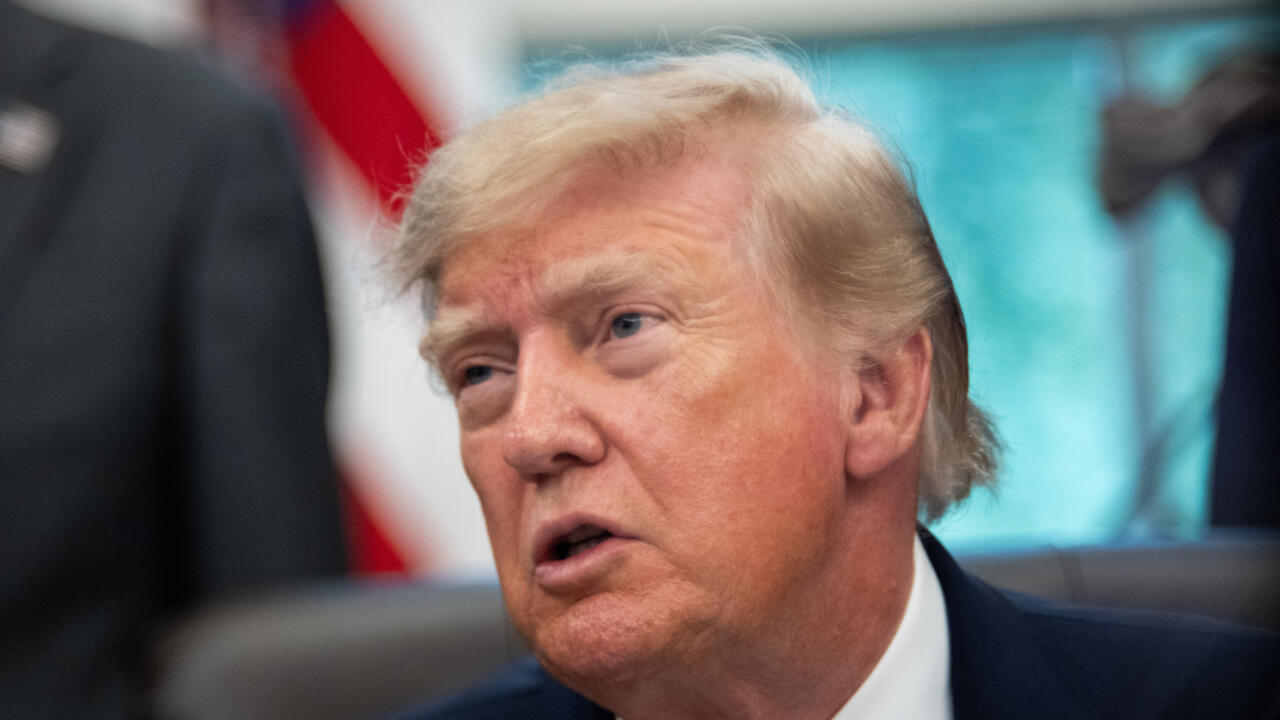
Delegates also differed over how AI should be governed. Guterres and the European Union backed safety standards and international rules, while US President Donald Trump argued that international regulation should not constrain innovation. Chinese Vice-President Han Zheng called for AI to benefit the public and for Palestinians to govern Palestine.
Iranian President Masoud Pezeshkian said Iran had defended itself and would not give up what he described as its right to peaceful nuclear technology. The report says Foreign Minister Abbas Araghchi met US envoys in a Qatar-mediated meeting on the sidelines, but gives no details about its outcome.
Speeches included broader calls to reform the United Nations and uphold international law. Guterres’s address was described as his final one before his term ends.