Trump claims Iran ceasefire deal 'largely negotiated' amid ongoing Strait of Hormuz blockade
While Donald Trump stated that final details are being discussed, significant policy gaps remain regarding Iran’s nuclear programme, frozen assets, and the lifting of the US port blockade.
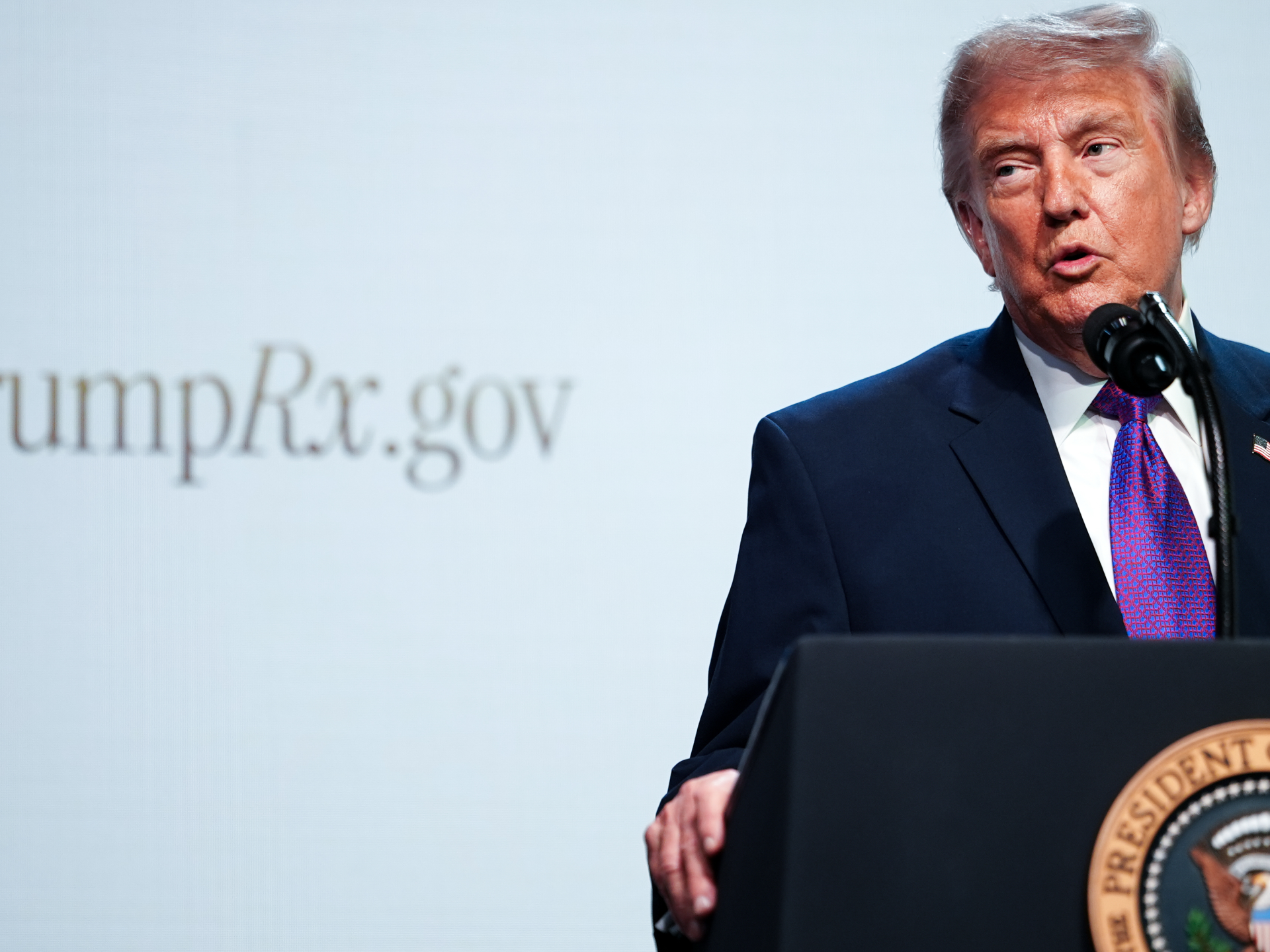
US President Donald Trump has announced that a Memorandum of Understanding regarding ceasefire talks to end the US-Israel war with Iran has been "largely negotiated". The proposed agreement, which Trump stated would include the reopening of the Strait of Hormuz, remains subject to finalisation by US and Iranian negotiators as well as "various other countries". The President made the declaration on Saturday following a series of diplomatic calls with leaders from Qatar, Saudi Arabia, the United Arab Emirates, Pakistan, Jordan, Egypt, Turkiye, and Bahrain, alongside a separate conversation with Israeli Prime Minister Benjamin Netanyahu.
Trump indicated on his Truth Social platform that "final aspects and details of the Deal are currently being discussed, and will be announced shortly". This development follows a volatile week characterised by fluctuating threats and pauses in hostilities. The President had previously warned Iran that time was running out for a lasting ceasefire and claimed to have been moments away from resuming attacks before deciding to put them on hold at the behest of Gulf nations. He has since alternated between renewing threats of escalation, including posting an image of Iran covered in a US flag, and suggesting that a deal was imminent.
The announcement coincided with a statement from Pakistan’s military confirming that Army Chief Asim Munir had concluded a "highly productive" visit to Iran. The military noted that "encouraging progress" had been made towards reaching a final understanding, adding a layer of regional diplomatic activity to the negotiations. However, Tehran officials have historically expressed wariness regarding negotiations with the US, citing two previous military attacks launched by Washington during talks concerning Iran’s nuclear programme.
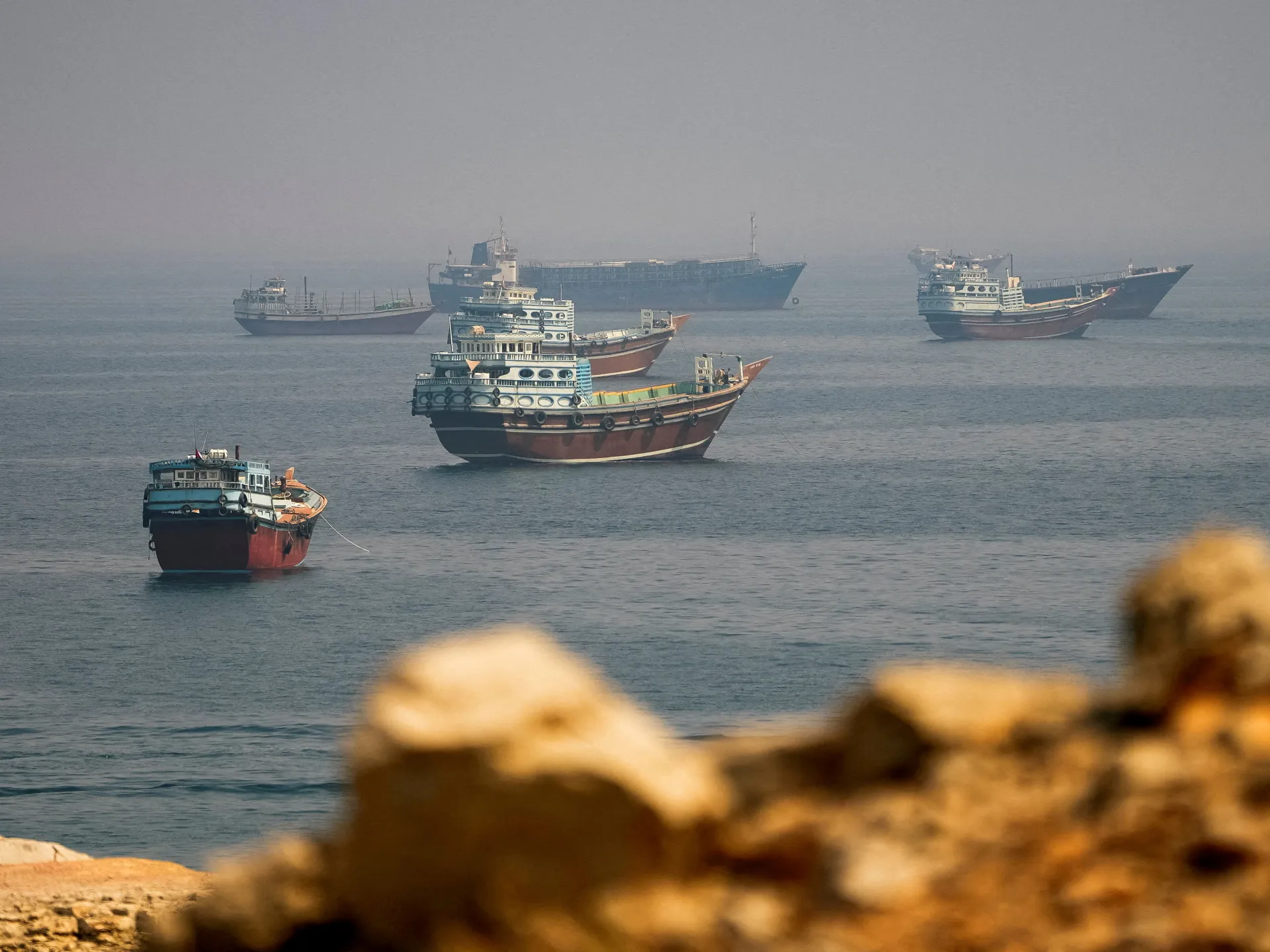
Despite the claims of progress, substantial policy hurdles persist. Key unresolved issues include the future of Iran’s nuclear programme, its influence over the Strait of Hormuz, the future of US military presence in the region, and access to frozen Iranian funds. The US has maintained a blockade on Iranian ports, while Iran has effectively closed the Strait of Hormuz, creating a standoff that has persisted since the US and Israel launched the latest war on February 28. Fighting has largely remained paused since early April, barring a handful of flare-ups.
Iranian Foreign Ministry spokesman Esmaeil Baqaei has previously clarified that the current focus is on a 14-point memorandum of understanding, with officials suggesting a final accord could be concluded within 30 to 60 days. However, Baqaei emphasised that significant gaps remain, particularly regarding the lifting of the US blockade on Iran’s oil exports, which has halted the country’s primary source of income. Trump has previously insisted that any final arrangement must absolutely prevent Iran from obtaining nuclear weapons, a condition that remains central to the ongoing diplomatic friction.