Ebola Outbreak Threatens Ten African Nations as Violence Disrupts Containment
The regional body has identified ten additional countries at risk of transmission, while community violence forces suspected patients to flee treatment centres in eastern DR Congo.
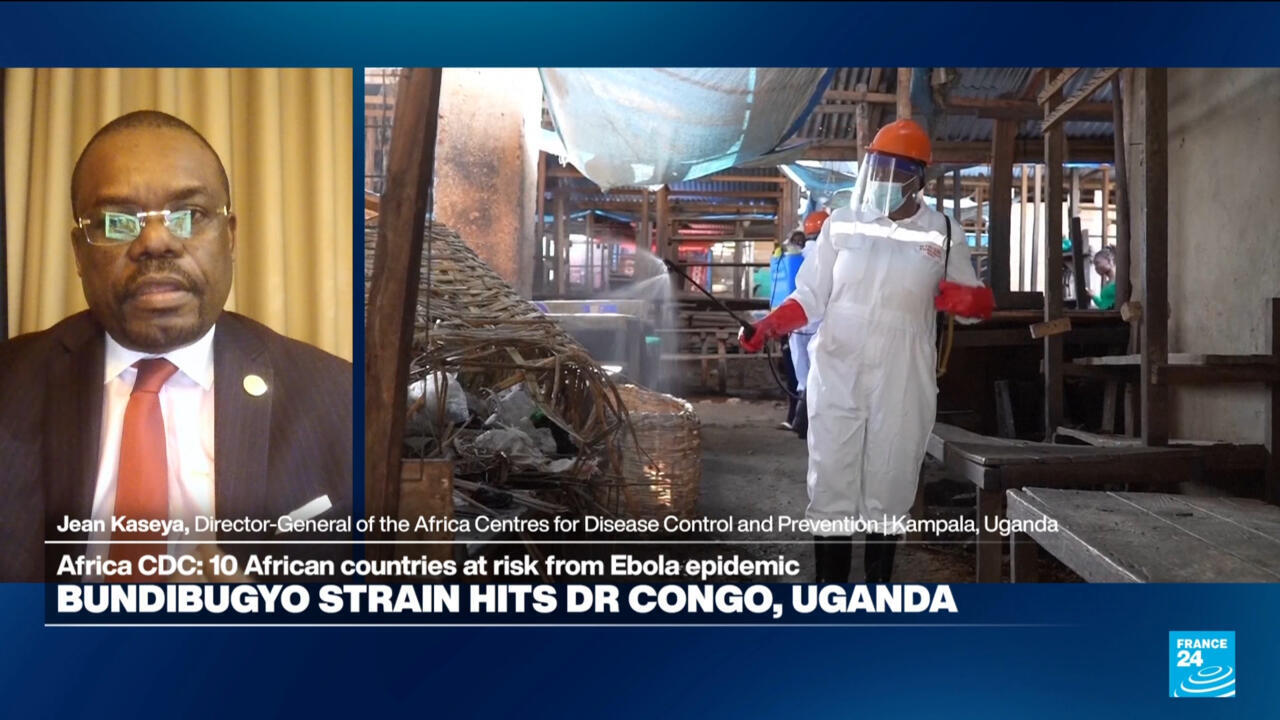
The Africa CDC has issued a fresh warning that ten additional African countries are now at risk of Ebola transmission as the outbreak continues to spread across the region. The nations identified in the alert are Angola, Burundi, the Central African Republic, the Republic of Congo, Ethiopia, Kenya, Rwanda, South Sudan, Tanzania, and Zambia. This assessment comes as the virus establishes new footholds, with Uganda confirming three additional cases in recent days.
Containment efforts in the Democratic Republic of Congo have been severely compromised by community violence. In Ituri’s Mongbwalu district, residents attacked and burned part of an Ebola treatment centre, forcing 18 suspected cases to flee the facility. A separate treatment centre in Rwampara was also set on fire, further destabilising the local response to the epidemic.
The human cost of the outbreak is mounting. The Red Cross reported that three volunteers died in eastern DR Congo after contracting the virus in March. These fatalities highlight the dangers faced by frontline workers as they attempt to manage the crisis amidst growing hostility from local populations.
The Africa CDC’s designation of the ten countries at risk underscores the potential for regional escalation. While the warning indicates potential exposure rather than confirmed widespread transmission in these specific nations, the proximity to active outbreak zones in Uganda and DR Congo presents a significant governance challenge for border control and public health coordination.
The destruction of health infrastructure in Mongbwalu and Rwampara represents a critical failure in the security of medical operations. With suspected patients displaced and treatment facilities damaged, the immediate priority for authorities is to restore safety and ensure that containment protocols can be re-established without further interference from local unrest.