Trump arrives in Beijing for first US-China summit since 2017 amid trade and geopolitical tensions
The rescheduled summit, delayed by recent attacks on Iran, brings a delegation of major US business leaders to the Great Hall of the People as both nations seek to stabilise relations and manage strategic rivalries.
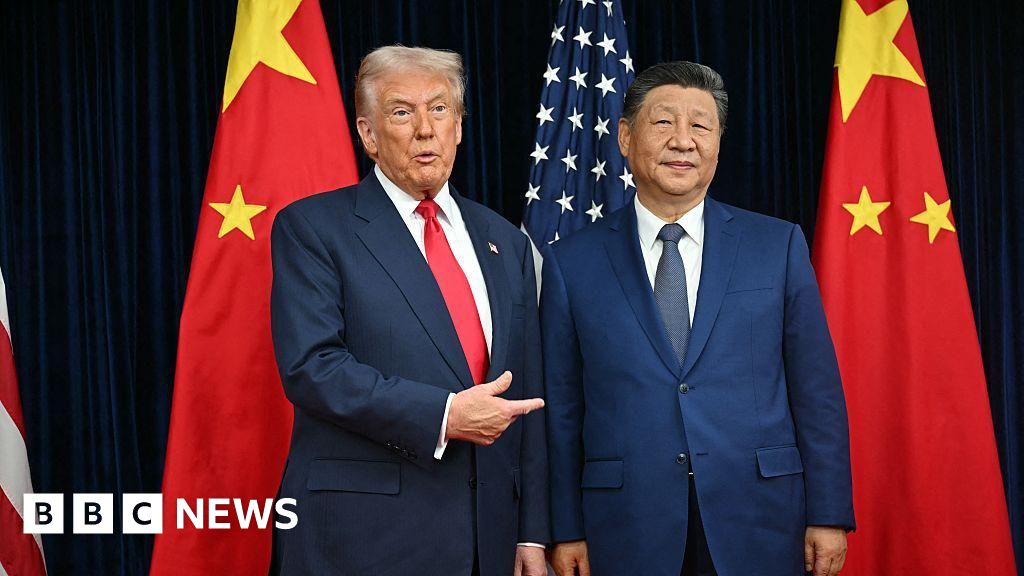
US President Donald Trump has arrived in Beijing for a two-day summit with Chinese President Xi Jinping, marking the first visit by an American leader to the Chinese capital since Trump’s own trip in 2017. The meeting, originally scheduled for March but rescheduled following recent US and Israeli attacks on Iran, will focus on the tense trade relationship between the two superpowers. Trump is seeking greater market access for US technology firms and increased purchases of American goods, while Xi is expected to press for an end to US arms sales to Taiwan and an extension of the current trade truce.
The US president arrived in Beijing on Air Force One on Wednesday evening, accompanied by a significant delegation of major US business leaders. The group includes CEOs from Nvidia, Apple, Tesla, SpaceX, BlackRock, Meta, Visa, JP Morgan, Boeing, and Cargill. Notably, Nvidia CEO Jensen Huang was a late addition to the delegation, personally invited by Trump and spotted boarding Air Force One during a stopover in Alaska. His presence underscores the ongoing diplomatic and strategic rivalry over artificial intelligence and semiconductor chips, an issue that has been compared to a nuclear arms race by some observers.
The itinerary for the summit includes an arrival ceremony and bilateral talks at the Great Hall of the People on Thursday, followed by a state banquet. On Friday, Trump will visit Zhongnanhai, the compound where China’s leaders live and work, for a “friendship photo” and handshake, another bilateral meeting, and a working lunch before departing. The schedule reflects the high stakes of the engagement, with both sides aiming to address critical geopolitical and economic issues that have defined their relationship in recent years.
Key agenda items include Trump’s demand for China to open its economy to US tech firms and increase purchases of US goods such as soybeans and aircraft parts. Xi is expected to raise the issue of a recent US trade probe into unfair business practices, seeking its withdrawal. Chinese media commentary has suggested that Beijing is looking for a “better future” with the US, aiming to add stability and certainty to a turbulent world. However, some Chinese observers remain sceptical about the potential for a significant reset in relations, associating the American president with political turmoil.
Both leaders are also expected to discuss the conflict in Iran, with China positioning itself as a potential peacemaker. Trump stated he would have a “long talk” about Iran, though he insisted he did not need China’s help to end the conflict, describing Xi as “relatively good” on the issue. US Secretary of State Marco Rubio noted last week that Taiwan would be a topic of conversation, with the aim of preventing it from becoming a source of tension. China has reiterated its opposition to US military ties with and sale of weapons to Taiwan, signalling that the issue remains a priority for Beijing.
The summit comes at a time when the two sides have been on the verge of a trade war for much of 2025, though the issue has receded somewhat since then. A permanent resolution has remained elusive, and both nations face economic pressures: Beijing with record export levels but a need for the US consumer market, and the US with a sluggish domestic economy reliant on global trade. The outcome of these talks will likely influence the trajectory of US-China relations and the broader geopolitical landscape, particularly regarding technology competition and regional security.