Trump arrives in Beijing as analysts predict shift in superpower leverage
A two-day summit with President Xi Jinping will address Iran, tariffs, and Taiwan, with experts suggesting the current balance of power favours the Chinese delegation.
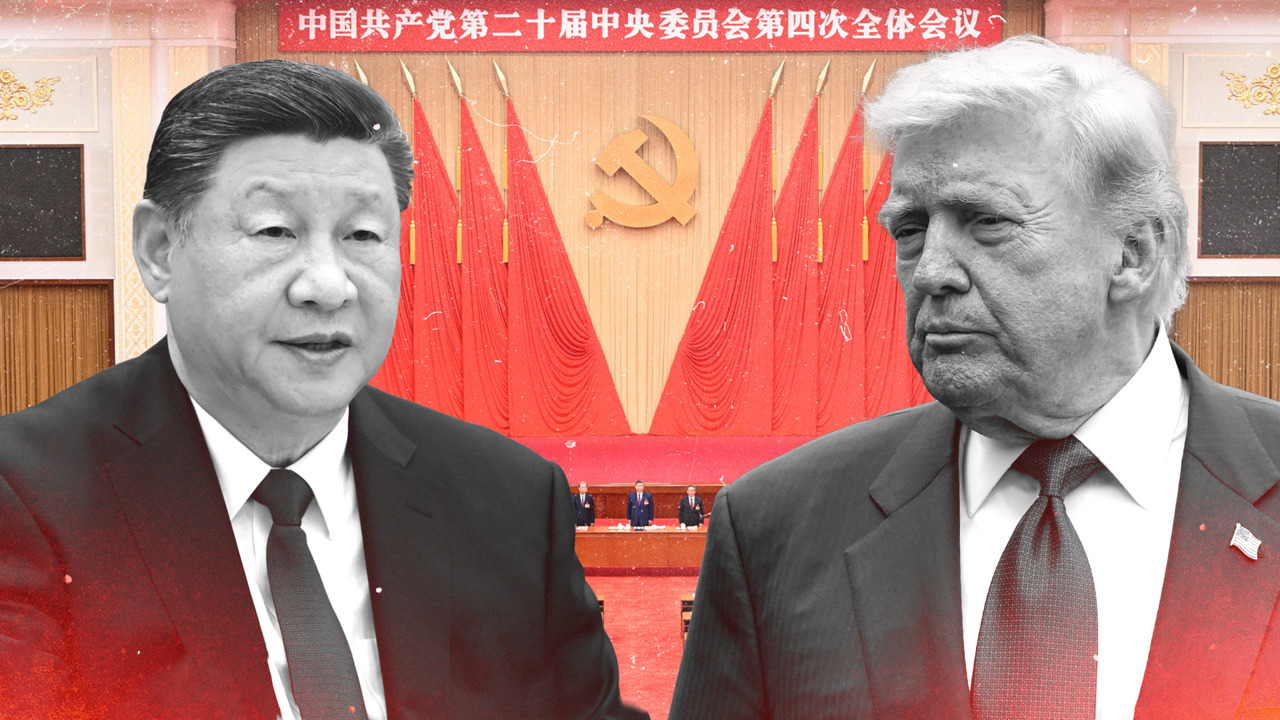
US President Donald Trump arrived in Beijing on Wednesday for a two-day summit with Chinese President Xi Jinping, marking his first visit to the country since 2017. The meeting, scheduled for Thursday and Friday, is described by analysts as a potential tipping point in superpower relations, with current dynamics perceived to favour China. The welcome for Trump is expected to be less lavish than in 2017, when he was hosted at the Forbidden City, reflecting the increased tension in bilateral relations.
Key agenda items include Iran, oil prices, tariffs, trade, Taiwan, and technological rivalry. The summit follows a trade dispute where Beijing restricted rare earth exports, forcing the US to reduce tariffs from 145 percent to 30 percent. Analysts suggest the US has "shot itself in the foot" regarding its war in Iran, depleting weapons stockpiles that require rare earth elements, thereby increasing reliance on Chinese exports.
Trump is accompanied by US business leaders, including Elon Musk, Tim Cook, and Mark Zuckerberg, aiming to secure trade agreements ahead of the November midterms. China is expected to leverage its position regarding the Strait of Hormuz and potentially seek changes to US policy on Taiwanese independence. The summit was originally slated for March but was delayed by Washington following the start of a joint US-Israeli war against Iran.
China is reportedly seeking a "semantic shift" in US policy, potentially moving from ambiguous stances to an explicit opposition to Taiwanese independence. The aggressive foreign policy of the Trump administration, including actions in Venezuela and Greenland, is said to have bolstered China’s image as a "responsible adult" in international affairs.
Despite the shift in perception, experts note that the US retains unmatched military reach and financial leverage. However, the immediate diplomatic landscape suggests Beijing holds the upper hand, with Washington seeking to mitigate economic pressures and regional instability through the negotiations in the Chinese capital.