Tehran pledges severe punishment after new wave of US strikes on Iran
Iran has vowed retaliation against Washington, Gulf neighbours, and Jordan following a fresh round of American military attacks, escalating a conflict that began in March.
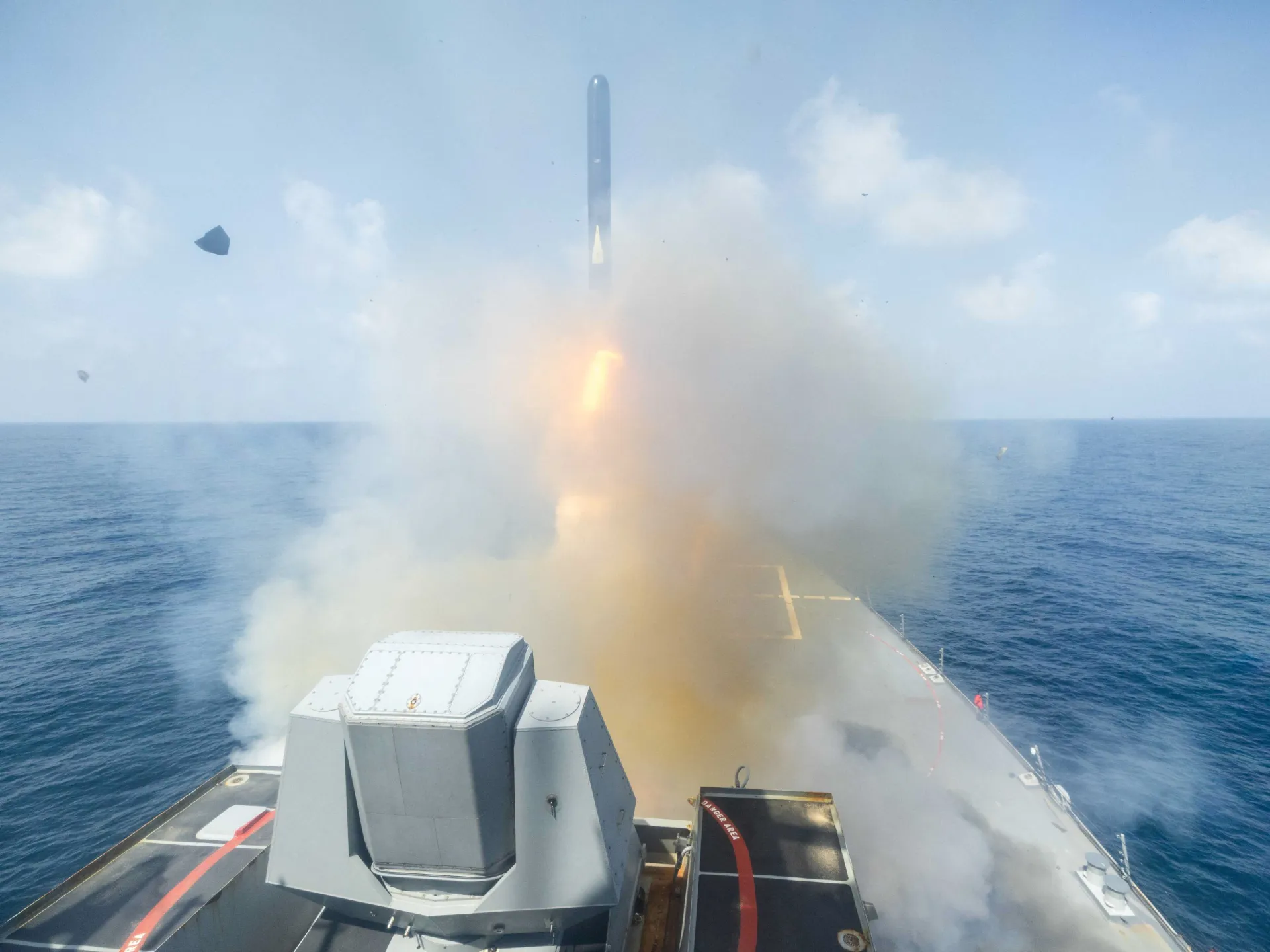
Tehran has pledged “severe punishment” and direct retaliation against Washington following a new wave of US military strikes on Iran. The Iranian capital indicated that its counter-strikes would specifically target Gulf neighbours and Jordan, marking a significant expansion of the conflict’s geographic scope.
The latest exchanges occur against a backdrop of deepening strategic tension. The US launched a war in March, citing the prevention of a nuclear weapon as its primary motivation, an ambition Tehran explicitly denies. Since then, Iran has shifted the focus of hostilities towards the control of the strategic Strait of Hormuz, a critical artery for global energy supplies.
Institutional oversight of the nuclear dimension remains fraught. The International Atomic Energy Agency (IAEA) has flagged a proliferation risk, noting that access to Iranian nuclear sites remains contested. The UN watchdog categorised the deficit of information as a “matter of proliferation concern,” highlighting gaps in verification that complicate diplomatic efforts.
The IAEA report is scheduled for discussion at the board of governors meeting from 21 to 25 September. This timeline places the technical debate on nuclear safeguards in close proximity to the active military conflict, raising questions about the interplay between verification politics and kinetic warfare.
While the specific nature and scale of the new US attacks are not yet fully detailed, the pledge of “severe punishment” signals a hardening of Tehran’s stance. It remains unclear whether the retaliation against Gulf neighbours and Jordan has already commenced or remains a stated intention, but the regional implications are immediate.
The situation underscores the fragility of the current governance framework in the region. With the US and Iran locked in a contested narrative over the war’s origins and objectives, the involvement of third-party states such as Jordan and Gulf neighbours adds a new layer of complexity to the crisis.