Teens and Tweens Navigate AI with Caution and Creativity
While many adolescents utilise AI for education and innovation, others express deep concerns about environmental impact and the erosion of critical thinking
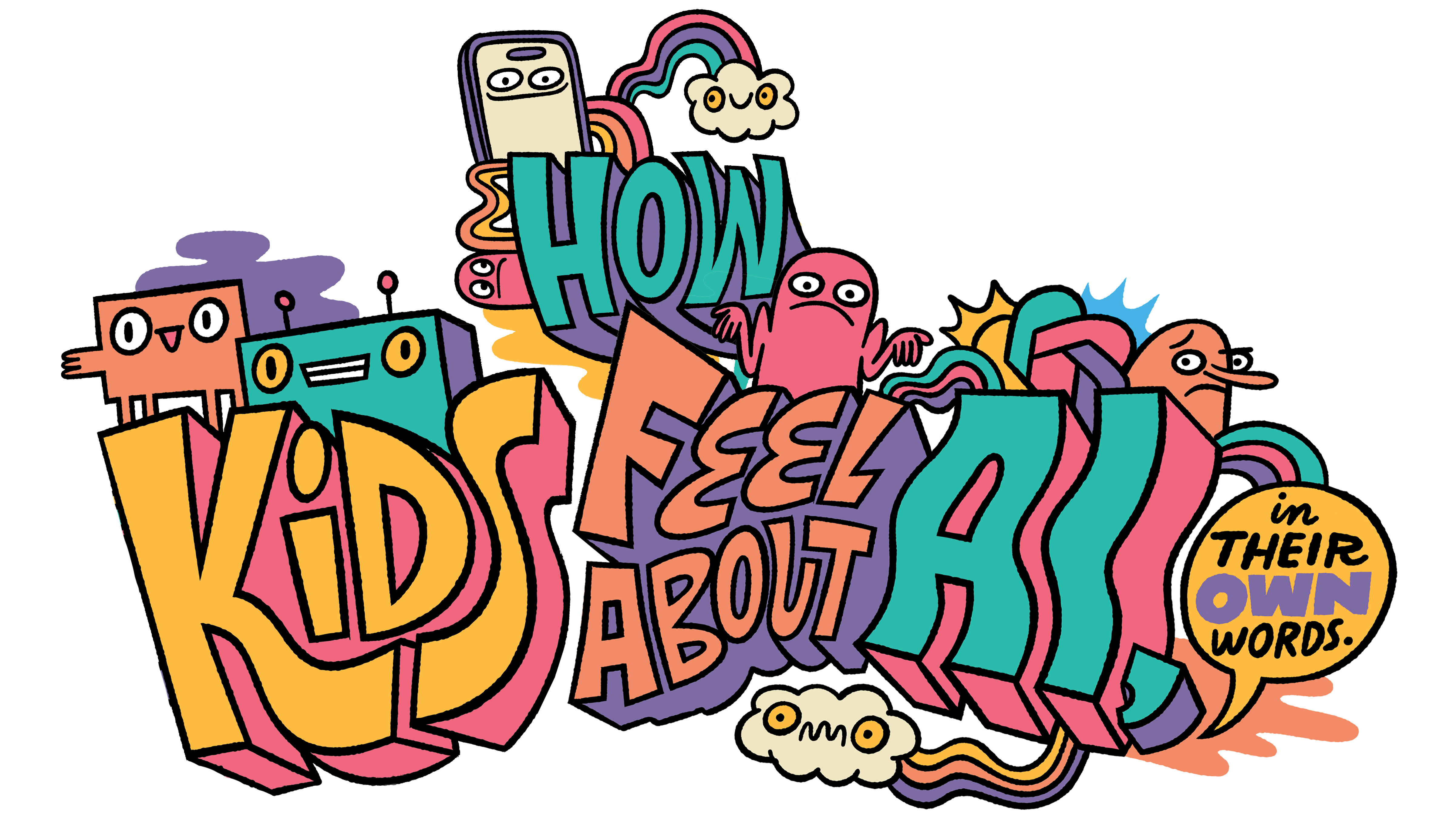
A recent report by MIT Technology Review highlights the complex relationship young people have with artificial intelligence, revealing a generation that is simultaneously embracing the technology for practical benefits and wary of its broader societal implications. The findings, drawn from interviews with teenagers and tweens aged 10 to 18, show that while many use AI for schoolwork, coding, and entertainment, a significant portion remains critical of its environmental footprint and potential to stifle human creativity.
The data reflects a landscape where AI is increasingly embedded in daily life, often introduced by parents or schools rather than sought out by the youth themselves. According to February 2026 data from the Pew Research Center, 57 per cent of US teens have used chatbots for information, 54 per cent for schoolwork, and 47 per cent for entertainment. However, only 12 per cent have used these tools for emotional support, suggesting that young people view AI primarily as a functional utility rather than a companion.
Despite widespread usage, concerns about the technology’s tangible impacts are prominent. One 17-year-old aspiring ecologist and rock climber refuses to engage with AI due to fears regarding the water consumption and heat output of data centres, which they believe threaten local environments. Another student, Winter, 17, described AI as “interesting but crude,” comparing it to early automobiles and expressing fear that it could end creativity and critical thinking. This sentiment is echoed by others who worry about the erosion of independent thought and the spread of misinformation.
Conversely, many young people are leveraging AI for educational innovation and civic engagement. A high school student developed an AI tutor called Aceflow to personalise learning, which gained thousands of users and helped secure internships at BenchSci and Simple Ventures. Others are using the technology for life-saving medical applications; a 14-year-old with type 1 diabetes relies on AI-driven glucose monitors and insulin pumps to predict blood sugar levels, describing the technology as essential for their health and sleep.
The report concludes that most respondents view AI as a tool that requires human oversight rather than a standalone solution. While some students utilise AI to debug code or refine grammar, they generally insist on keeping their hands on the wheel. This nuanced perspective aligns with broader industry trends, such as Princeton University’s recent decision to allow faculty to proctor exams in person for the first time in over a century, citing AI-related concerns. The findings suggest that while young people are not necessarily rejecting AI, they are demanding a more thoughtful and regulated integration of the technology into their lives.