Lebanese Civil Defence chief details targeting of first responders amid ceasefire violations
A new Al Jazeera Originals film profiles the head of Tyre’s Civil Defence, who describes the psychological toll of losing his daughter in 2006 and three colleagues in April, while outlining how first responders are adapting to ongoing violence along the Yellow Line.
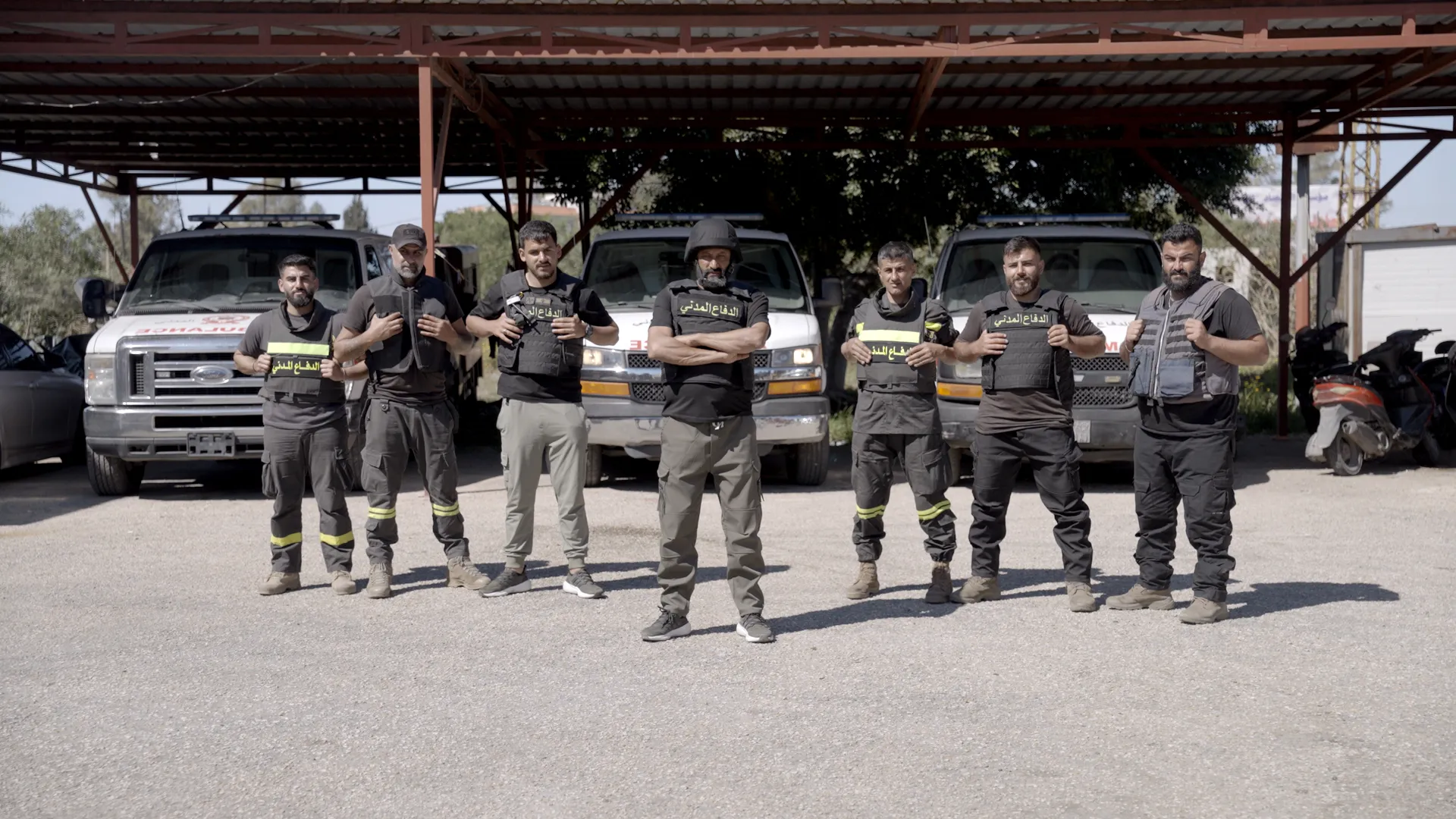
Ali Safiuddin, head of the Civil Defence in Tyre, southern Lebanon, has outlined the persistent dangers facing first responders along the “Yellow Line,” despite an official ceasefire covering the region. In a new Al Jazeera Originals short film titled The Ones We Couldn’t Save, Safiuddin details how frequent bombings and shelling continue within the security zone Israel has imposed approximately 10km inside Lebanon’s borders, even as direct strikes on the city itself have ceased.
The film highlights the profound personal and professional toll of Safiuddin’s career, which began in the aftermath of the 2006 war between Israel and Hezbollah. During that conflict, an Israeli strike on the Civil Defence centre in Tyre killed his one-year-old daughter, Lynn. Safiuddin describes how this loss continues to drive his mission, noting that saving survivors, such as a 14-year-old girl rescued from the 2020 Beirut explosion, provides a sense of continuity with his daughter’s memory.
Recent violence has further intensified the risks for his team. On April 28, an Israeli double-tap strike in the village of Majdal Zoun killed three of Safiuddin’s colleagues: Hussein Ghadbouni, Hussein Sati, and Hadi Daher. Safiuddin described the loss as devastating, referring to the men under his command as “sons” and emphasising the familial bonds formed within the service.
According to United Nations figures cited by Safiuddin, Israeli strikes have killed at least 135 first responders and healthcare workers in Lebanon since the beginning of March. The targeting of emergency personnel arriving at disaster sites has forced significant changes in operational tactics. Safiuddin explained that teams now deploy a second ambulance to wait outside strike zones, ensuring backup is available if the initial response team is targeted.
Despite the reduction in attacks north of the Yellow Line, Safiuddin remains focused on preparedness and rehabilitation. He stated that he is using the current relative respite to repair the Civil Defence centre and train his staff, including his 18-year-old son, Husein, who serves alongside him. Safiuddin asserted that he has no fear of war itself, only for his colleagues, and remains committed to fulfilling his duty regardless of the circumstances.