Taiwan seeks dissolution of pro-unification party amid Beijing influence allegations
The Taiwan Constitutional Court has been asked to dissolve the party led by Chang An-lo, whose advocacy for reunification with Beijing has drawn accusations of treason and ties to organised crime.
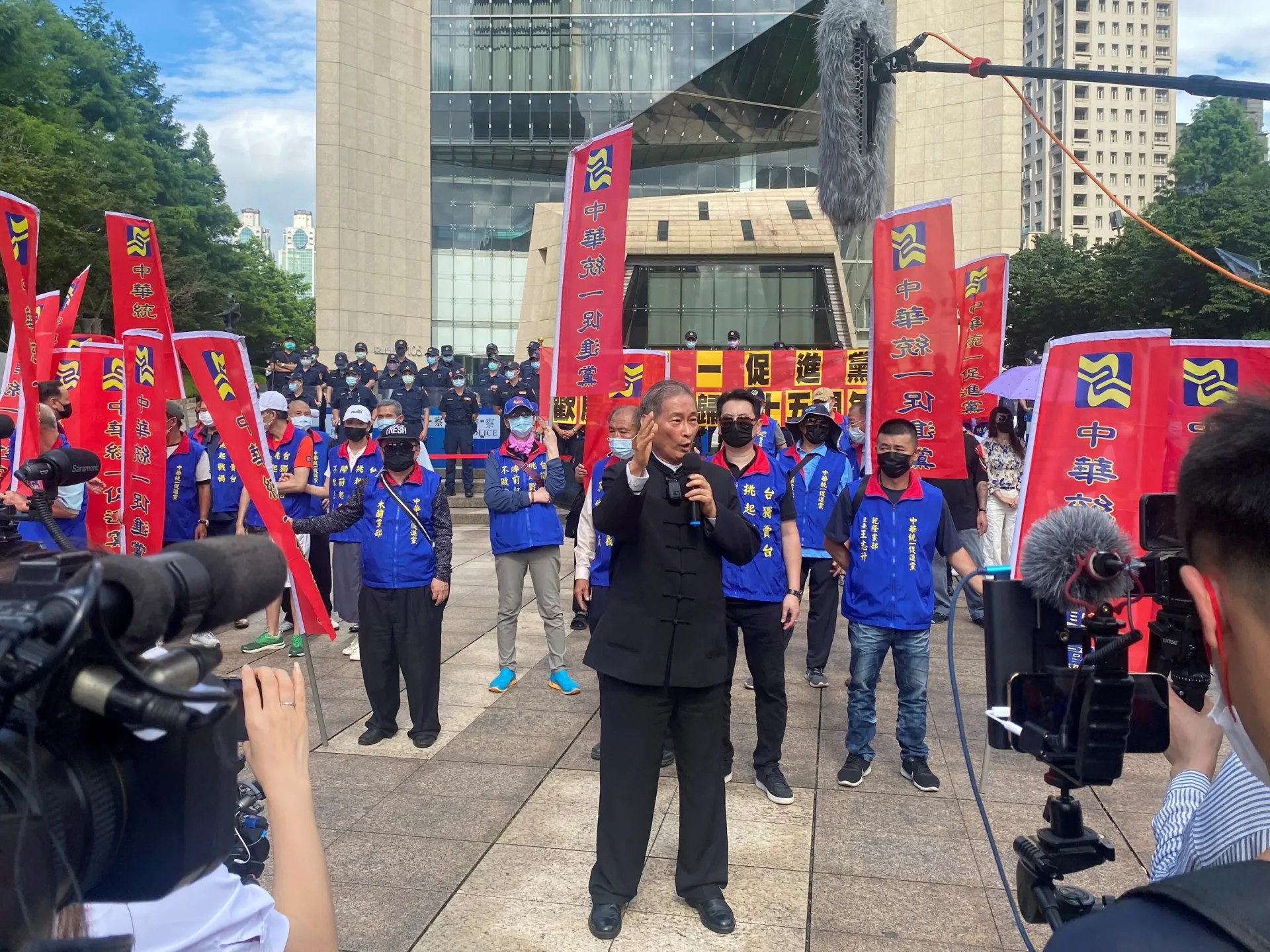
Taiwan’s Ministry of the Interior has formally requested the Taiwan Constitutional Court to dissolve the Chinese Unification Promotion Party (CUPP), alleging the group accepted instructions from Beijing to conduct grassroots influence operations, recruit military personnel for espionage, and use Chinese funding to interfere in elections. The ministry has branded the party a threat to the constitutional order of freedom and democracy in Taiwan.
The CUPP, founded in the mid-2000s by Chang An-lo, advocates for Taiwan’s reunification with China, a stance that remains unpopular in a society where most citizens prefer to maintain the status quo. Chang, widely known as the “White Wolf”, has a history of organised crime ties and US drug trafficking convictions, yet claims the party promotes peace and assists Taiwanese citizens trafficked to Southeast Asia.
Beijing has condemned the dissolution bid as suppression of political dissent, while analysts suggest the move is largely symbolic as Chinese influence networks remain entrenched. The CUPP has no representatives in the national legislature, with its only elected officials being two neighbourhood wardens in New Taipei City and Miaoli County.
Chang has acknowledged being a senior member of the Bamboo Union, a prominent criminal syndicate, in his youth but states he left in 1968. He spent 10 years in a US federal prison for drug trafficking charges in the 1980s and 1990s before being deported to Taiwan. He expressed full support for the work of China’s United Front Work Department, which oversees Beijing’s political influence operations.
At least 11 CUPP members have been investigated or prosecuted for violating national security, anti-infiltration, or election laws since the party’s founding. Chang claims the party promotes peace and has assisted Taiwanese citizens trafficked to Southeast Asia, negotiating with Chinese authorities to designate certain Daoist temples in Taiwan as civilian shelters during a potential conflict.
The party’s leader has accused Taiwanese President William Lai Ching-te of trying to bait Beijing into a conflict by pushing for Taiwanese independence. Chang argues that if Taiwan does not pursue independence, there will be no war, and he has urged the public not to serve as “cannon fodder” in the event of an armed unification with China.
Political scientists note that dissolving the CUPP will not eliminate the underlying networks of Chinese influence. Pu-chao Hung, a Taiwanese political scientist, stated that China’s political operations in Taiwan rely on multiple local nodes, which can move into associations, civic groups, or other organisations if the party is banned.