Syria's Damascus court opens first transitional justice trial against former regime officials
The session focused on preparatory legal procedures with the next hearing scheduled for May 10, marking a significant step in the interim government's efforts to address accountability after 14 years of civil war
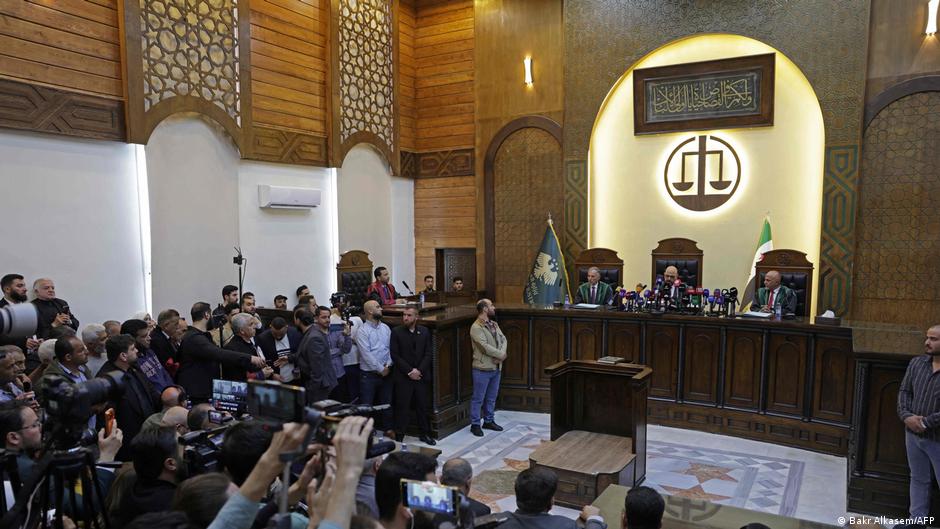
A Syrian court in Damascus commenced the first transitional justice trial against former regime officials on Sunday, marking a significant institutional shift in the country's post-conflict governance. The proceedings, which began with preparatory legal procedures, target individuals accused of crimes committed during the decade-long civil war that concluded with the ouster of the Assad government in December 2024.
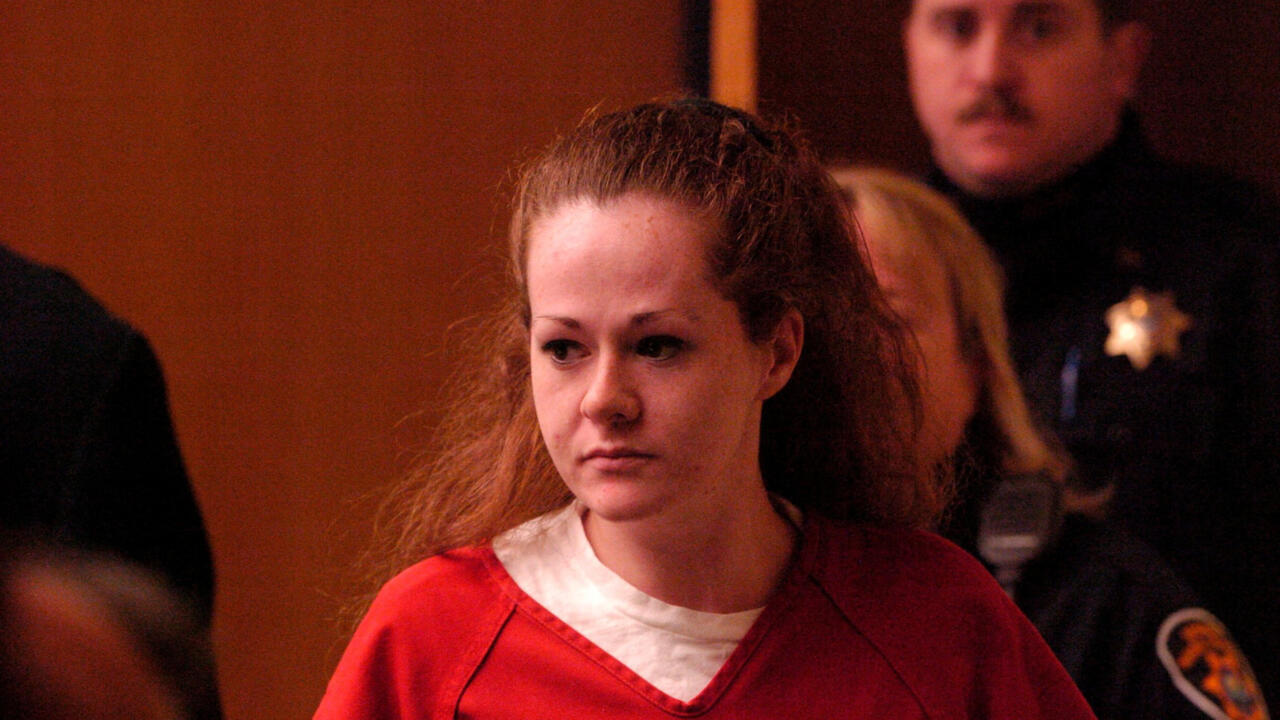
Only one defendant, former security chief Atef Najib, appeared in person to face the court. Najib, a cousin of the former president and the former head of political security in Daraa, was present in handcuffs and prisoner garb. He faces charges connected to crimes against the Syrian people for leading a campaign of repression and arrests in Daraa, the region where the 2011 uprising first erupted before escalating into a fourteen-year conflict.
Former President Bashar al-Assad and his brother Maher al-Assad are being tried in absentia. Both are believed to be in Russia after fleeing Syria as the former government fell. Maher, the former commander of the Syrian military's 4th Armoured Division, is accused by opposition activists of overseeing killings, torture, extortion, drug trafficking, and the operation of detention centers within his command structure.
The interim government of Ahmad al-Sharaa, an Islamist leader who fought during the war, had faced criticism for delays in launching the promised transitional justice process. This session aims to address those concerns by moving forward with public accountability, with the Justice Ministry emphasising that holding the trial in public is important to ensure transparency and judicial independence.
The court session focused on preparatory administrative and legal procedures rather than substantive questioning of the defendants. A judge opened the session by noting that the proceedings include a defendant in custody present in the dock, as well as defendants who have fled justice. The next hearing is scheduled for May 10, with the expectation that other officials will face in-person trials in subsequent sessions.
Other officials expected to face in-person trials include Wassim Assad, another relative of the president, former grand mufti Ahmed Badreddin Hassoun, and various military and security officials arrested by the new authorities. Many members of the former inner circle are thought to have escaped Syria, complicating the scope of the judicial process.
Crowds gathered outside the courthouse to celebrate the proceedings, waving flags as police kept order. Families of victims, including some from Daraa, attended the session, highlighting the significance of the public trial for transparency and the ongoing struggle to heal the nation after a conflict that left an estimated half a million people dead and millions displaced.