Israeli military operations intensify in Gaza as US-backed NCAG remains paralysed
The National Committee for the Administration of Gaza (NCAG) is isolated in Cairo and unable to function on the ground as Israel expands control to approximately 60 per cent of the enclave.
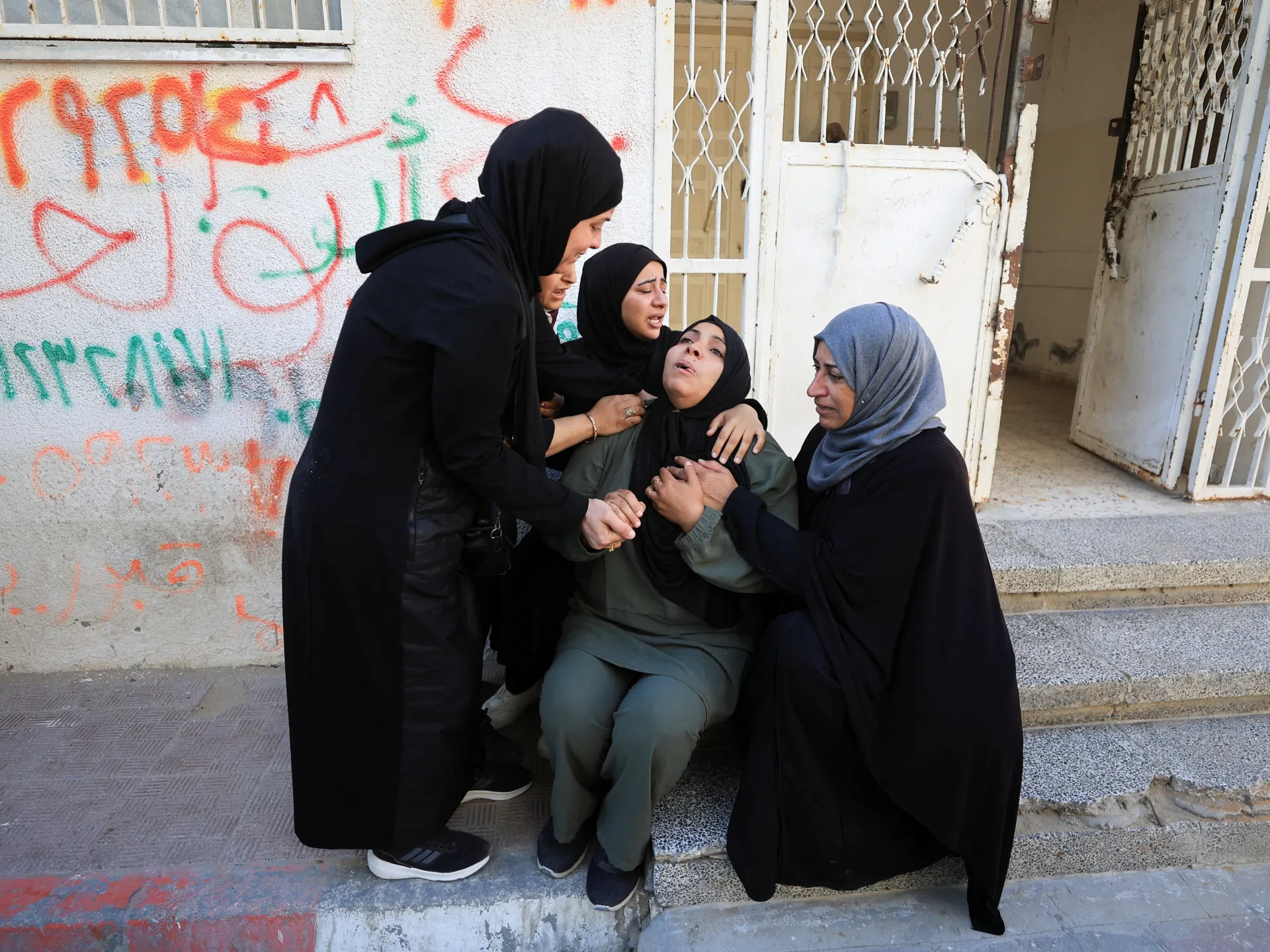
Israel has intensified military operations in the Gaza Strip over the past week, resulting in at least 25 Palestinian deaths and expanding its control to approximately 60 per cent of the enclave. This escalation occurs despite a ceasefire agreement that was intended to facilitate a transition to civilian governance. Israeli forces have refused to withdraw troops as the truce enters its second phase, effectively sidelining the new US-backed National Committee for the Administration of Gaza (NCAG).
The expansion of military control has seen Israel extend the "yellow line" delineating occupied areas by 37km, partitioning Palestinian territory and severely restricting freedom of movement. Concurrently, the security apparatus has targeted Palestinian police officers, recently acknowledging the killing of six officers without providing proof that they were planning imminent strikes. Analysts argue these actions are part of a broader strategy to maintain a state of war and prevent the restoration of stability within the enclave.
Aid delivery has been restricted to less than 20 per cent of the levels stipulated in the agreement. Current figures indicate only 150 to 190 trucks are crossing daily, compared to the agreed target of 600. Essential equipment required for clearing rubble and repairing hospitals remains blocked, further hampering the ability of the local population to recover from two years of conflict.
Consequently, the NCAG, a body of Palestinian technocrats established under US President Donald Trump's "Board of Peace", has been effectively isolated and paralysed. The committee is currently based in Cairo and is unable to function on the ground, described by analysts as being "emptied of its role". A real transition requires an Israeli withdrawal from the areas it controls, a condition that has not been met.
While Washington framed the 12-member NCAG as a roadmap for reconstruction and prosperity, the committee declined to speak to the media regarding these developments. Adolfo Franco, a Republican strategic analyst in Washington, defended the Israeli military's actions by stating that Israel has paused its implementation of the ceasefire because Hamas refuses to disarm. However, Palestinians maintain that Israel has manipulated the agreement since day one to maintain a status quo of indefinite military occupation.
As Israeli forces maintain their grip on the territory and continue targeted killings, confidence in the newly established administrative structures has evaporated among the Palestinian public. With international stabilisation forces failing to deploy as planned, the prospect of an independent, functional administration in Gaza appears increasingly remote.