Institutional fitness concerns mount for 2026 World Cup squads as key players face prolonged recovery timelines
Official confirmations reveal a pattern of hamstring and ligament injuries threatening the availability of Mohamed Salah, Lamine Yamal, and others for the upcoming competition
Several high-profile footballers face significant uncertainty regarding their participation in the 2026 World Cup following a series of serious injuries sustained during the current season. The emerging data suggests that while some nations may secure replacements, the depth of the talent pool is being tested by injuries ranging from hamstring tears to severe ligament ruptures.
Mohamed Salah has sustained a hamstring tear during Liverpool's match against Crystal Palace, with Egyptian national team officials confirming he will miss the remainder of his club season. Egyptian football official Ibrahim Hassan stated the player will require four weeks of treatment but is expected to recover in time for the 2026 World Cup, despite the severity of the blow to his club campaign.
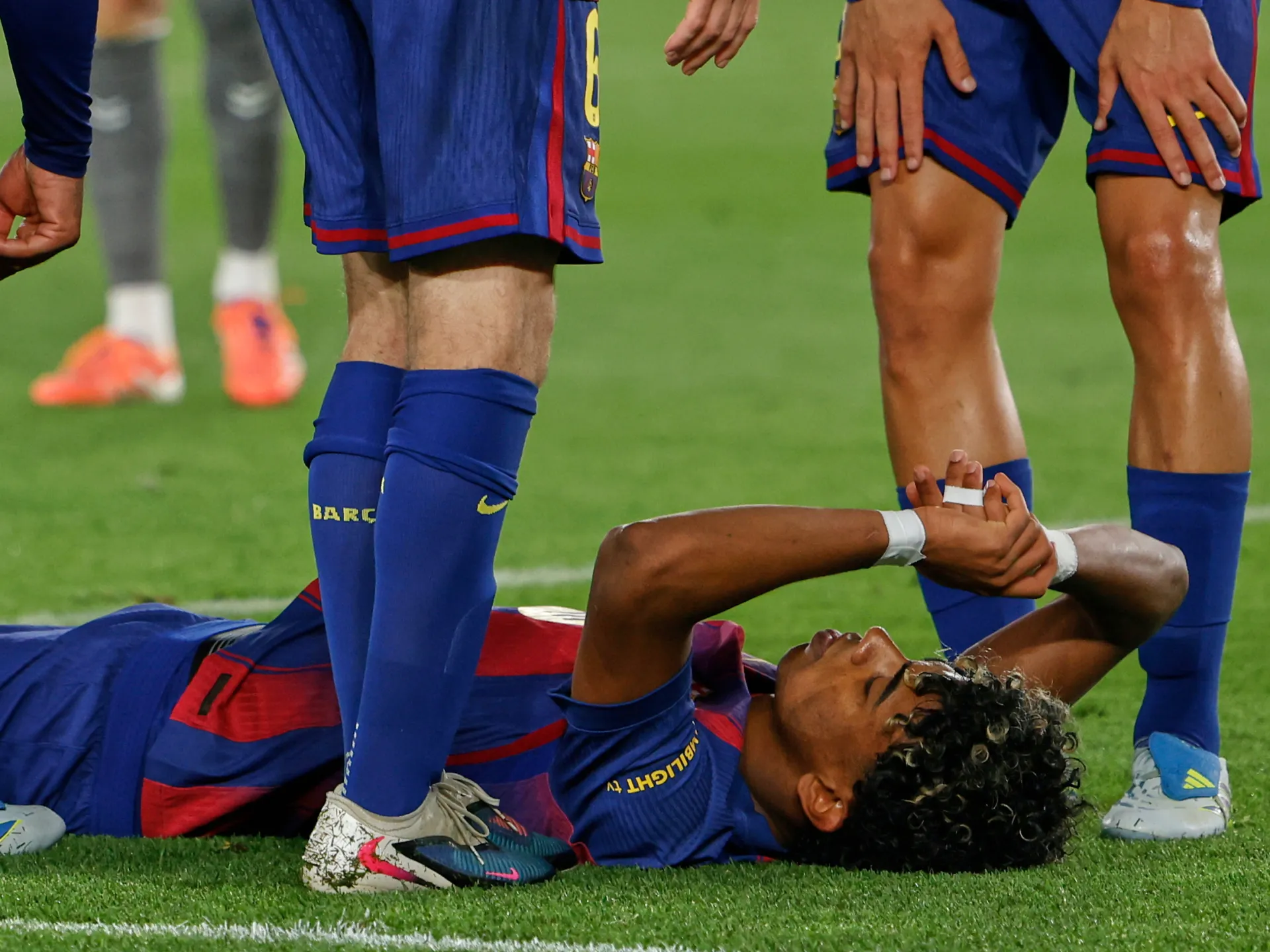
Lamine Yamal has been ruled out of the rest of Spain's domestic campaign due to a hamstring injury, though his availability for the World Cup remains doubtful pending a conservative treatment plan. Barcelona and medical protocols suggest a recovery period of four to six weeks, casting doubt on his debut despite his Euro 2024 success.
Other significant absences include Rodrygo of Brazil, who is ruled out due to a torn meniscus and anterior cruciate ligament. Hugo Ekitike of France has torn his Achilles tendon and may not return until 2027, while Eder Militao requires surgery for a hamstring injury and is unlikely to play.
Wataru Endo of Japan has not played since an ankle injury in February, with his return uncertain. Liverpool manager Arne Slot noted that the 33-year-old may return just in time for the end of the season, adding another variable to the national team's preparations.
These developments highlight the structural risks inherent in international football scheduling, where club commitments often intersect with critical national team windows. The reliance on specific players for group stage campaigns means that these injuries could fundamentally alter the competitive landscape for nations including Egypt, Spain, Brazil, Germany, France, and Japan.