Syria’s al-Sharaa proposes regional security pact with Israel
President Ahmed al-Sharaa outlines diplomatic approach amidst ongoing tensions in Syria and Lebanon, where US-backed withdrawal agreements face scrutiny from local factions.
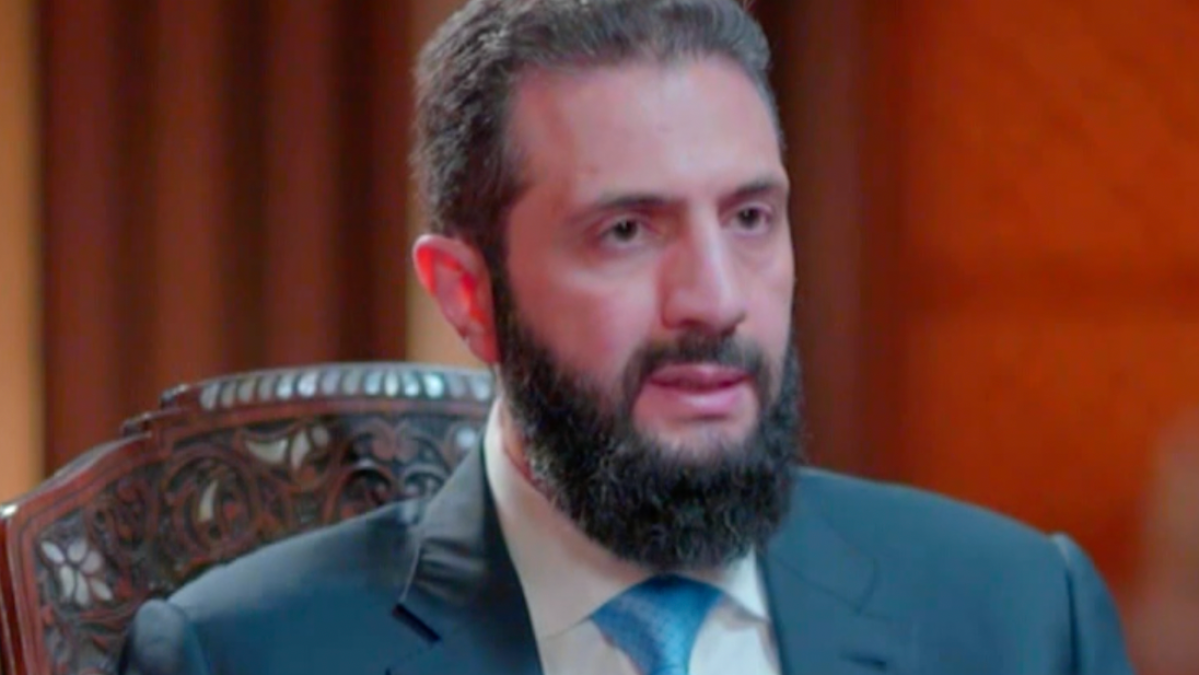
Syrian President Ahmed al-Sharaa has signalled a shift toward diplomatic engagement with Israel, stating that Damascus is actively working towards a security agreement. In an exclusive interview, al-Sharaa outlined a framework that would involve a group of countries, arguing that such a multilateral arrangement is essential to paving the way for comprehensive peace in the region.
The proposed security arrangement comes at a time of heightened military tension. Al-Sharaa emphasised that any such agreement would not require Syria to concede its claim to the occupied Golan Heights, maintaining the state’s position on the territory while seeking broader stability through institutional cooperation.
This diplomatic overture occurs against a backdrop of international concern regarding recent hostilities. UN Secretary-General Antonio Guterres has previously condemned an Israeli incursion into Syria, using the platform to call for the removal of sanctions on the Syrian state. The Secretary-General’s intervention highlights the fragile security environment in which al-Sharaa is attempting to negotiate a new strategic posture.
Simultaneously, the security landscape in southern Lebanon remains volatile, complicating efforts for regional de-escalation. The Lebanese Army has accused Israel of violating a US-backed withdrawal pact in the south, raising questions about the implementation of the agreement signed last month. While the pact outlines a phased withdrawal, concerns persist regarding the lack of a clear exit schedule for Israeli forces.
Israel has maintained its presence in southern Lebanon for months, insisting that its operations are necessary to combat Hezbollah. The Iran-backed armed group has rejected the US-brokered deal, demanding an unconditional Israeli exit. As Damascus pursues its own security dialogue with Israel, the divergent positions in Lebanon underscore the complex geopolitical challenges facing any comprehensive peace initiative.