Syria arrests former colonel over sarin gas programme following OPCW readmission
The detention of the former officer marks the latest in a series of prosecutions targeting the Assad regime, occurring just days after Syria’s reinstatement into the Organisation for the Prohibition of Chemical Weapons.
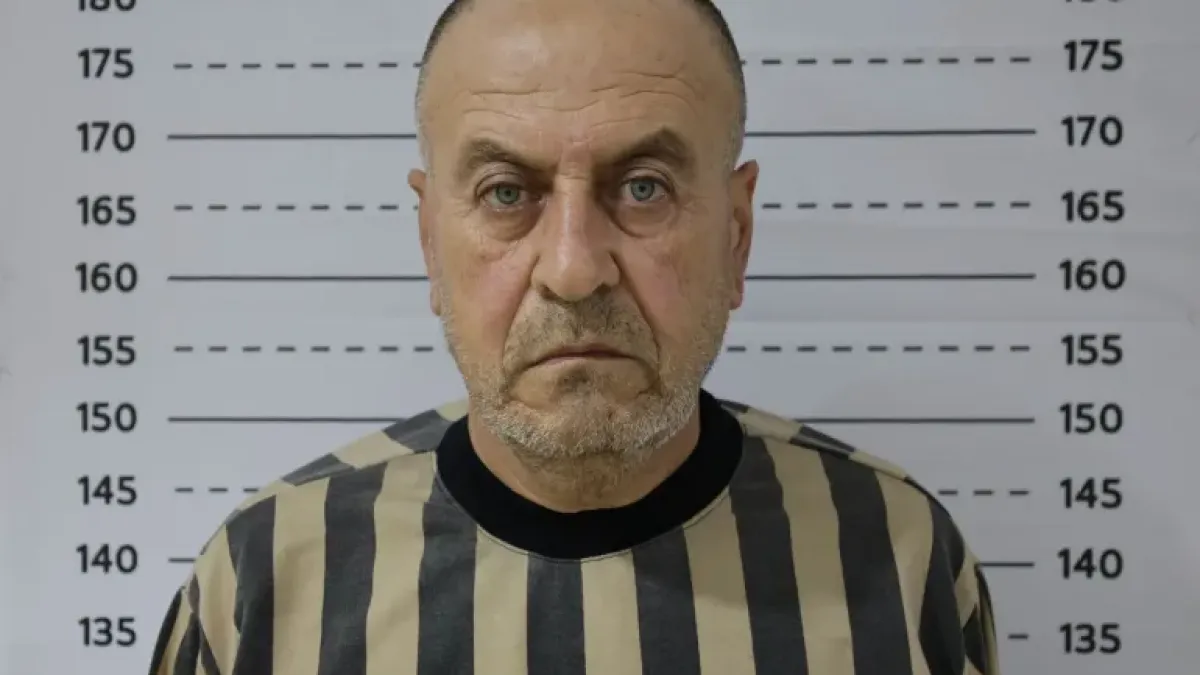
Syrian authorities have arrested former colonel Ahmed Habib Ali, accusing him of overseeing the manufacture of sarin gas bombs and managing chemical weapons depots under the former regime of President Bashar al-Assad. The Interior Ministry identified Ali on Wednesday as a chemical weapons expert who was responsible for Unit 417, a facility near Damascus, and supervised the production of approximately 20 sarin bombs used in attacks in 2013 and 2017.
According to the ministry, Ali managed sarin gas storage facilities and chemical manufacturing within Unit 417. He is alleged to have supervised the creation of bombs, each weighing 250kg, which were deployed in attacks targeting Syrian cities and towns. The announcement comes just a week after Syria was reinstated into the Organisation for the Prohibition of Chemical Weapons (OPCW), a move that restores the country’s voting rights after they were stripped in 2021.
The OPCW had previously suspended Syria’s voting rights after determining that the Syrian air force had used sarin and chlorine gas against its own population. The most lethal incident occurred in August 2013, when the Syrian army was accused of gassing rebel-held areas, resulting in the deaths of more than 1,400 people, according to US intelligence and rights groups.
Despite agreeing to hand over its chemical arsenal at the height of the civil war to avoid US strikes, Damascus faced accusations of four further sarin and chlorine attacks on opposition towns between 2014 and 2017. The current detention of Ali is part of a broader crackdown on former officials following the fall of the Assad government in December 2024.
Since the regime's collapse, authorities have arrested dozens of individuals over crimes committed during the 13-year civil war. In April, Syria’s judiciary opened public trials for former officials, with some charges amounting to war crimes tied to the 2011 uprising and its violent suppression.