Syensqo argues advanced materials are key to sustaining AI infrastructure growth
From fluorosurfactant-free elastomers to AI-accelerated molecular discovery, Syensqo outlines how materials engineering is defining the limits of artificial intelligence performance.
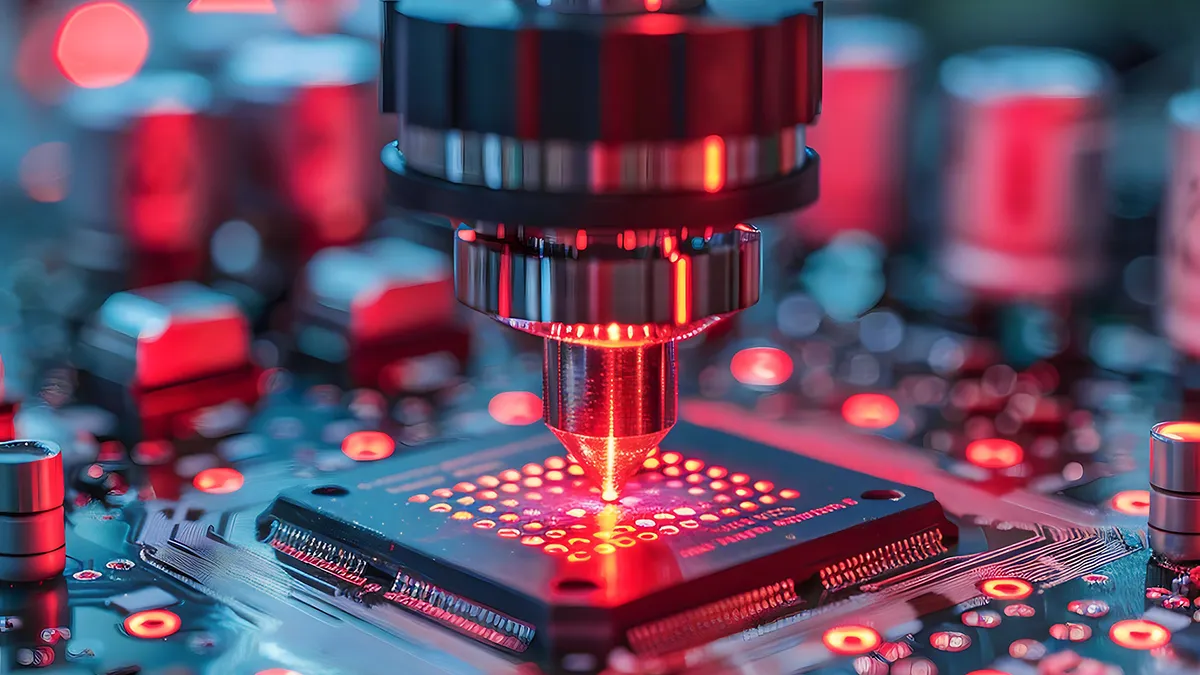
Syensqo has published an analysis in MIT Technology Review arguing that advanced materials are critical to sustaining progress in artificial intelligence infrastructure. The company contends that as AI demands increase processing power, memory, and energy efficiency, materials science must evolve to support semiconductor fabrication and hyperscale data centres.
The firm notes that its expertise in electronic components and fluid circulation, adapted from the automotive sector, is being applied to improve thermal management and power architectures in AI servers. This cross-industry knowledge transfer aims to address the physical demands placed on systems as computing density increases.
Syensqo also emphasises a shift towards responsible manufacturing, citing the development of fluorosurfactant-free perfluoroelastomers for semiconductor equipment. These materials are designed to operate under extreme temperatures and aggressive plasma, with the new manufacturing process aiming to deliver higher performance without compromising sustainability.
Additionally, Syensqo reports using AI tools, including the Microsoft Discovery platform, to accelerate the identification of molecular candidates for heat transfer fluids. This approach helps researchers evaluate promising candidates earlier, reducing the time required for laboratory testing and qualification.
The analysis highlights that while algorithms and chip design often dominate the conversation, the physical limits of AI are increasingly defined by the materials that enable them. Syensqo suggests that sustaining future progress will require continuous innovation in polymers, elastomers, and specialty fluids to meet the rigorous standards of next-generation technology.
Qualification of new materials remains a lengthy process, with manufacturers typically only adopting changes when they solve genuine engineering challenges. However, the integration of digital tools is helping to streamline the earliest stages of discovery, allowing scientists to focus laboratory work on candidates with the highest potential for success.
Syensqo concludes that the future of artificial intelligence depends not only on more powerful chips but also on the materials that make those technologies possible. The company asserts that every new material must prove it can deliver the necessary performance, reliability, and efficiency before it earns its place in the supply chain.