Super clones deceive Rolex staff as counterfeit trade goes digital
A WIRED investigation found that high-quality counterfeit Rolexes, sold via WhatsApp and crypto, successfully passed inspection at the brand’s London flagship store, highlighting the scale and sophistication of the global fake watch industry.
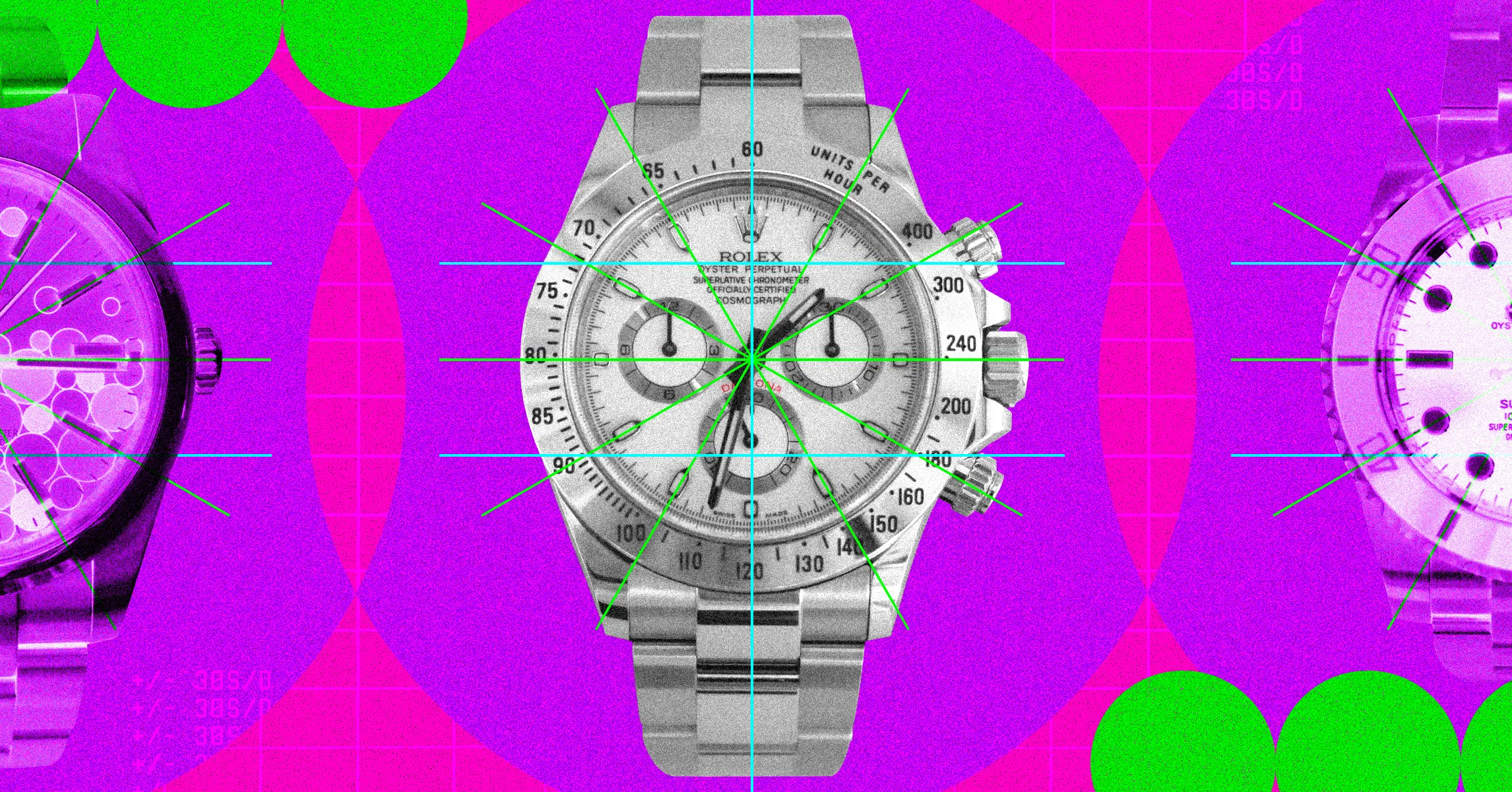
A recent investigation by WIRED has exposed the escalating sophistication of the global counterfeit watch trade, revealing that mass-produced replicas are now capable of deceiving luxury brand staff and passing rigorous quality checks by online communities. The inquiry, which involved the purchase of three replica Rolex timepieces for approximately $1,700, underscores the emergence of the “super clone” era, where fakes are increasingly indistinguishable from genuine articles to the untrained eye.
The investigation highlighted a specific instance where a $500 replica Oyster Perpetual successfully deceived staff at Rolex’s flagship store on Old Bond Street in London. When the purchaser requested a bracelet adjustment, the brand’s employees examined the timepiece and performed the service without identifying it as a counterfeit. The watch was returned in a branded paper bag, marking a significant shift from the crude approximations of the past to highly polished, mass-produced fakes.
These replicas are manufactured in large quantities by Chinese factories and distributed through digital channels including TikTok, Instagram, and WhatsApp. The trade is supported by dedicated online communities on Reddit, such as r/RepTime, where buyers utilise quality-control services to vet purchases before accepting delivery. These forums, which attract hundreds of thousands of weekly visitors, employ coded language and grading systems like “NWBig” to classify replicas that are considered superior to genuine models in terms of aesthetic accuracy.
Despite their visual appeal, expert analysis by watch authentication specialist Adrian Hailwood identified significant mechanical and manufacturing flaws in the replicas. These included amateurish logo milling, incorrect movement types that predate modern Rolex technology, and raw metal finishes on clasps. One purchased watch arrived in the incorrect size, with the dealer offering a discount on a future purchase rather than a refund or exchange, illustrating the lack of consumer protection in this illicit market.
The scale of the issue is substantial, with the Federation of the Swiss Watch Agency estimating that tens of millions of fake watches are produced annually. According to a 2025 report from the Organisation for Economic Co-operation and Development, the global fake goods trade was valued at $467 billion in 2021, with watches ranking first by value among seized counterfeit goods. Roughly 65 percent of watch seizures originate in China and Hong Kong, and the fake Swiss watch market equates to approximately 7.7 percent of the value of Switzerland’s legitimate watch exports.
While some buyers justify purchases as “luxury decoys” for security in high-crime areas or as a means to test designs, the investigation found that handling the replicas provided little enjoyment compared to owning genuine items. The legal landscape remains complex, with the legality of owning replicas varying by jurisdiction, though producing and selling them is widely considered intellectual property theft. As counterfeiters adopt industrialised features such as free-sprung balances to mimic genuine movements, the challenge for regulators and brands continues to intensify.