Stars and Stripes publisher resigns over defence department editorial control
Max D Lederer Jr cites fundamental disagreements with Department of Defence leadership as he steps down from the historic military newspaper.
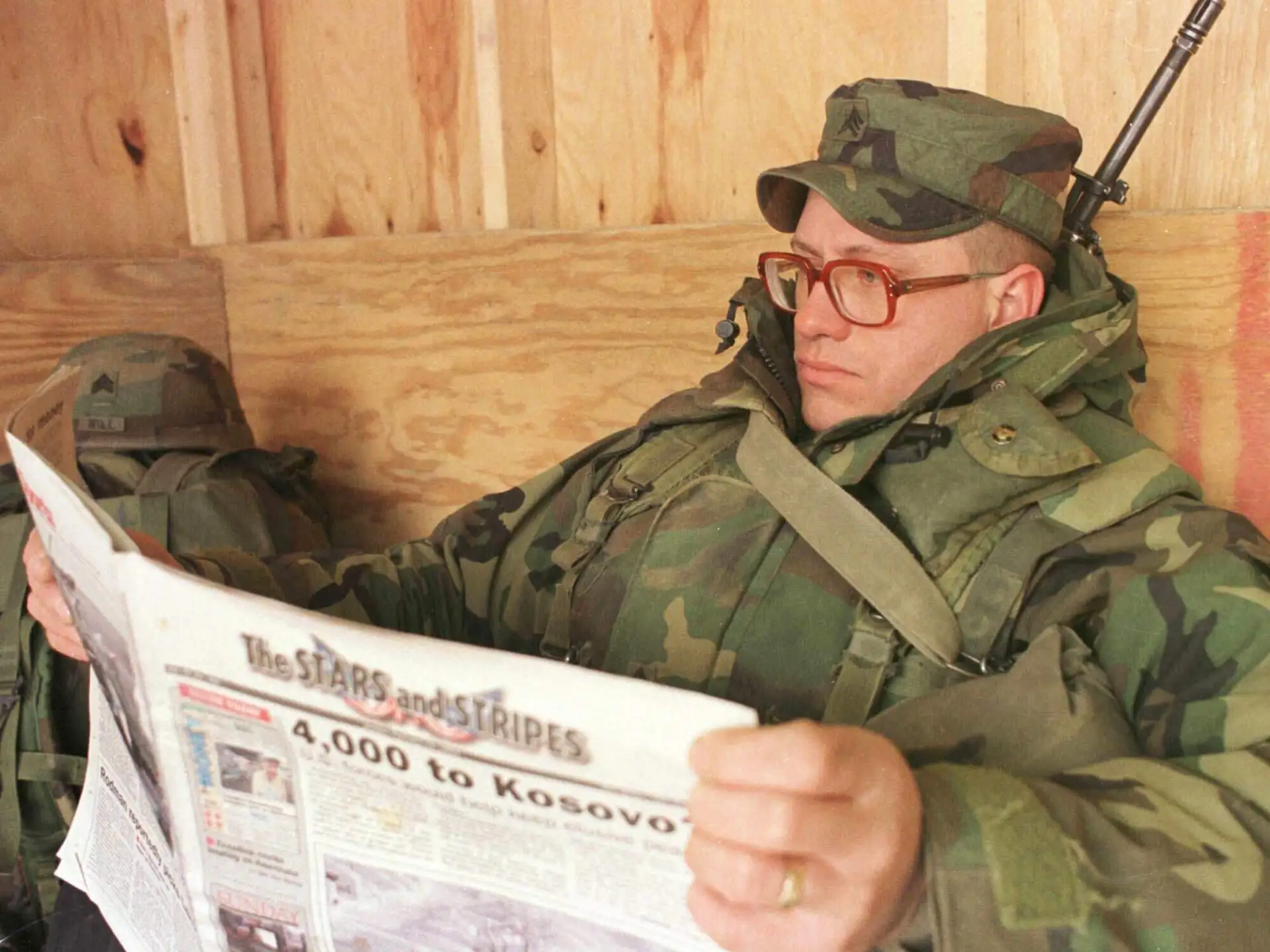
Max D Lederer Jr, the longtime publisher of the United States military newspaper Stars and Stripes, has announced his resignation following fundamental disagreements with the Department of Defence leadership. In a memo to staff and an interview with the publication, Lederer stated that his philosophy of leadership and understanding of the newspaper’s mission differ significantly from the direction set by the current administration.
The departure marks a significant escalation in tensions between the publication and the Trump administration, which has sought to exert greater editorial control over the outlet. Secretary of Defence Pete Hegseth has previously accused the newspaper of promoting “woke distractions,” a criticism that aligns with broader efforts within the Department of Defence to restrict press access and align media output with government priorities.
The conflict has intensified amid the ongoing war on Iran, where Stars and Stripes reported on declining morale and poor conditions aboard the USS Abraham Lincoln aircraft carrier. The newspaper was one of two military publications to highlight suicide attempts and flagging spirits among US service members on the vessel, which has broken the US Navy record for the length of its deployment without a port stop.
Founded in 1861, Stars and Stripes has historically maintained editorial independence despite receiving significant government funding. This independence has been a point of contention for decades; during the first Trump presidency from 2017 to 2021, the Pentagon sought to eliminate the newspaper’s funding, although the president pledged at the time to protect its budget.
Recent administrative actions have further strained the relationship. In January, the Department of Defence announced plans to bring the paper into greater alignment with government priorities, a move Pentagon spokesperson Sean Parnell described as returning the outlet to its original mission of reporting for warfighters. Additionally, the department recently fired Jacqueline Smith, the newspaper’s ombudsman, a role charged with protecting reporting from political interference.
Smith’s termination sparked outcry over eroding press freedoms, with the ombudsman noting that no one should be surprised by the removal of the individual Congress tasked with safeguarding the paper’s independence. These moves are part of a wider pattern under Hegseth, who has overseen restrictions on journalist access to the Pentagon, including designating the press office as a classified area and pausing policies that would have barred journalists from engaging with unauthorised materials.