Spain deploys AI and biodegradable tech as wildfires burn 741,000 acres across Europe
With Spain declaring a national emergency and France facing its most destructive fire season on record, governments are integrating artificial intelligence, sensor networks, and organic fire retardants into their containment strategies.
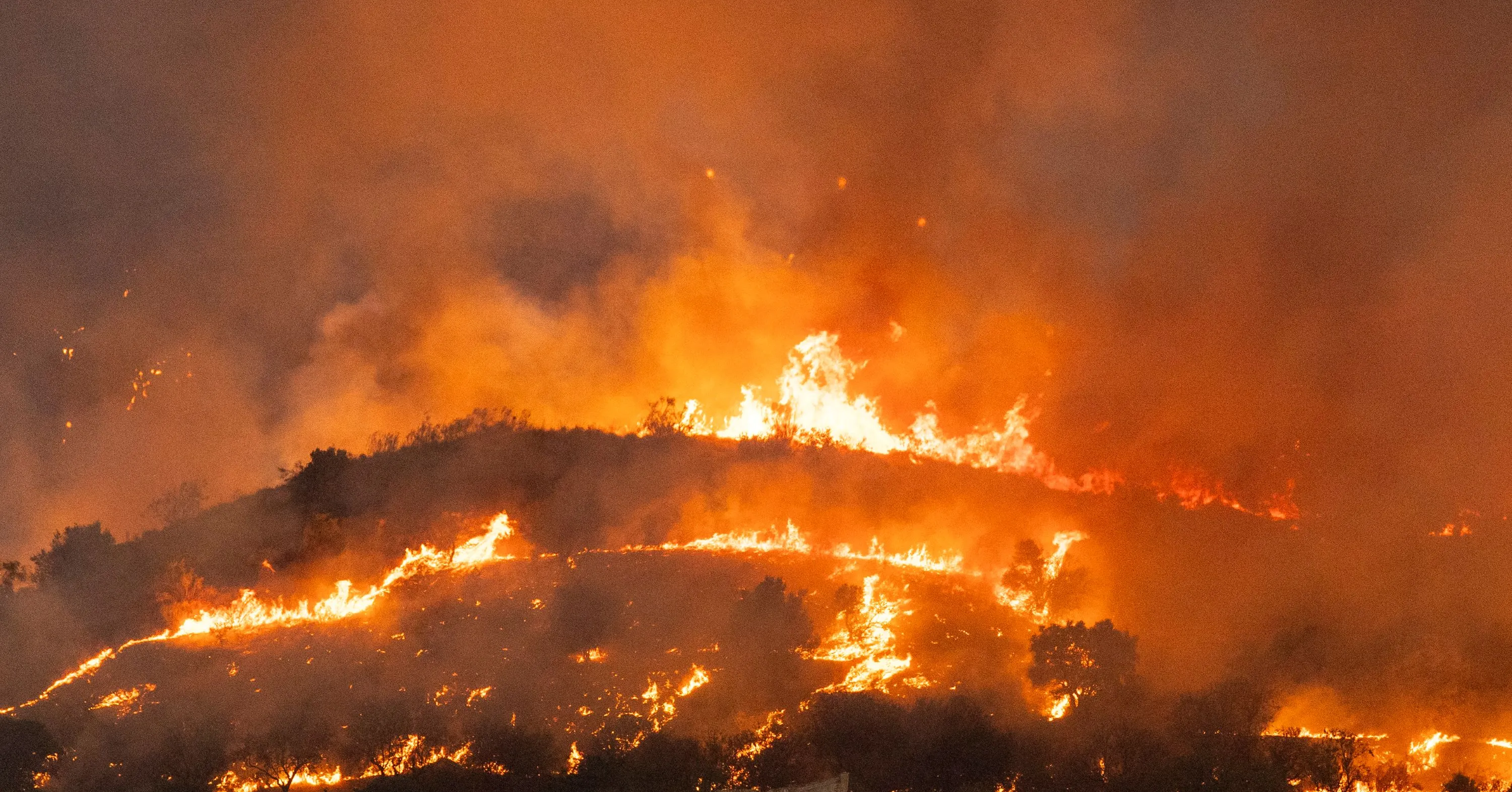
Spain and France are currently battling record-breaking wildfires, with the combined area burned exceeding 741,000 acres across both nations. The crisis has prompted Spain to declare a national emergency in the community of Madrid and the province of Ávila, while hundreds of thousands of residents have been forced to evacuate. According to the European Forest Fire Information System, Spanish fires have already burned double the annual average area, while France’s current season is six times more destructive than normal.
Spanish Prime Minister Pedro Sánchez described the situation as dramatic, noting that the emergency extends beyond national borders. He confirmed that all available resources have been deployed to manage the blazes in Ávila, León, Toledo, Madrid, and other affected regions. The fires, fuelled by extreme heat and abnormally dry weather, have created their own weather systems in France and are being linked to broader climate change trends that increase the frequency of megafires globally.
In response to the escalating threat, Spanish authorities are deploying a suite of new firefighting technologies designed to improve detection and containment. A key innovation is a biodegradable liquid extinguisher composed of 100 per cent organic substances in a water-based formula. The substance is up to 40 times more effective at extinguishing fires than water and acts six to 10 times faster. When applied preventively, it creates an insulating layer that blocks heat and oxygen, preventing combustion at temperatures of 100°C or higher.
Detection capabilities are also being enhanced through artificial intelligence and sensor networks. Predifire, an early-warning system supported by the University of Córdoba and companies Automatismos ITEA and Somnum Technologies, utilises AI, sensors, and autonomous drones to identify fire outbreaks when they are only a few acres in size. This aims to reduce response times and facilitate early intervention before blazes become uncontrollable.
Complementing this is SenForFire, a European project involving the Spanish National Research Council and the University of Extremadura. The system uses wireless networks of low-cost smart sensors to detect combustion-related gases and environmental variables in real time. Additionally, a new AI model developed by Spanish researchers uses neural networks to analyse atmospheric variables and satellite imagery of vegetation greenness. This model estimates fire spread, containment time, and the specific ground, human, and aerial resources required for high-risk areas.
Beyond containment and detection, authorities are providing the public with real-time data to ensure safety. The government offers an official Civil Protection app for emergency information and warning maps, while Google Maps features a layer for emergency alerts and wildfire perimeters in Spain. A platform called Incendios España also provides a real-time map of active wildfires using satellite data, allowing residents and institutions to monitor the evolving crisis.