SpaceX Starlink secures exemption from FCC ban on foreign-made routers
The Trump administration has granted SpaceX’s Starlink division a conditional approval to bypass the Federal Communications Commission’s restrictions on networking equipment with non-US components, a move that clarifies the regulatory landscape for major technology vendors.
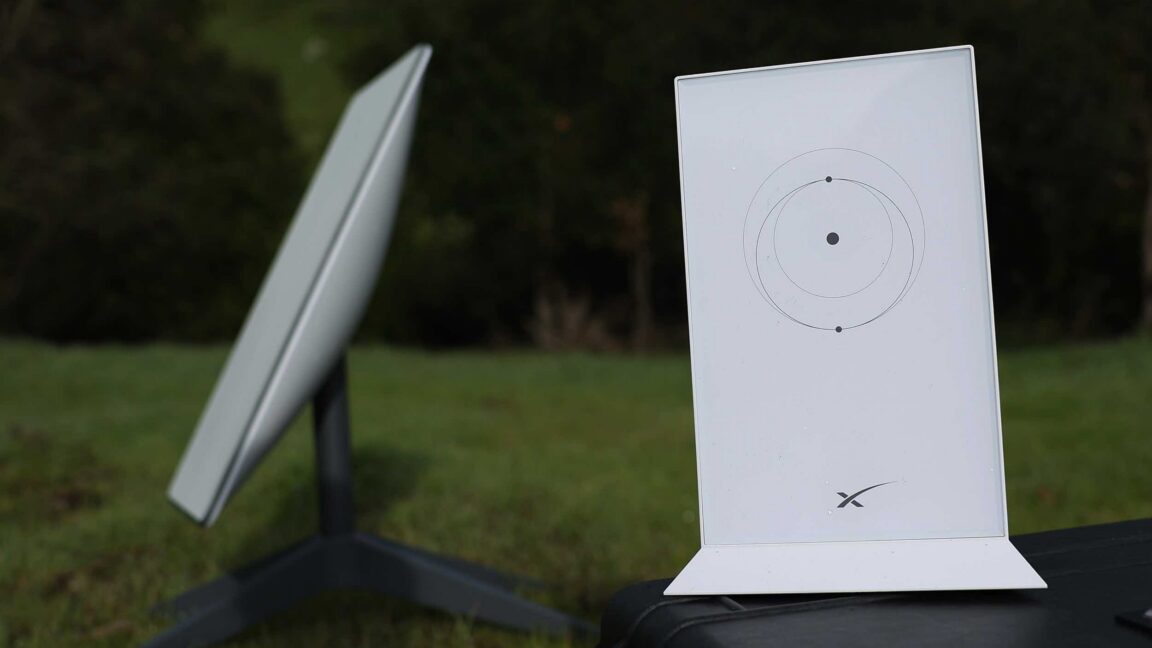
The Trump administration has granted SpaceX’s Starlink an exemption from the Federal Communications Commission’s ban on consumer-grade routers manufactured at least partly outside the United States. The decision, confirmed by an FCC public notice, was approved by the Department of War, also referred to as the Department of Defense, and remains valid until 1 February 2028. This conditional approval allows the satellite internet provider to secure regulatory clearance for future router models despite its mixed manufacturing footprint.
The FCC’s Covered List targets devices deemed to pose an unacceptable national security risk, a category that now includes all consumer-grade routers made partially abroad. While the ban does not affect hardware approved for sale prior to the rule change, vendors require specific exemptions to gain approval for new models. The Trump administration has emphasised that foreign networking products present potential security threats, encouraging companies to shift production to US soil.
SpaceX operates a manufacturing facility in Texas, and some of its routers are labelled “Made in the USA.” However, reports indicate that other Starlink routers are produced in Vietnam. This dual supply chain necessitated the exemption, as the company could not rely solely on its domestic operations to satisfy the FCC’s new requirements. The approval ensures that Starlink can continue to deploy its full range of hardware without regulatory interruption.
The exemption process requires companies to seek a determination from either the Department of War or the Department of Homeland Security that their devices do not pose unacceptable risks to national security. Netgear was the first major vendor to receive such an exemption on 14 April, followed by Amazon, which secured approvals for its Eero routers and equipment for its Leo satellite service. TP-Link, a company founded in China but with US headquarters, has not yet received an exemption.
The regulatory framework also extends to drone manufacturers, as drones were added to the Covered List last year. Chinese drone maker DJI has sued the FCC over the ban, setting a precedent for potential legal challenges. Router manufacturers that are denied exemptions may pursue similar litigation, although companies with perceived Chinese ties are expected to face greater scrutiny from the administration.