Soybeans and Semiconductors: The Dual Front of the Xi-Trump Summit
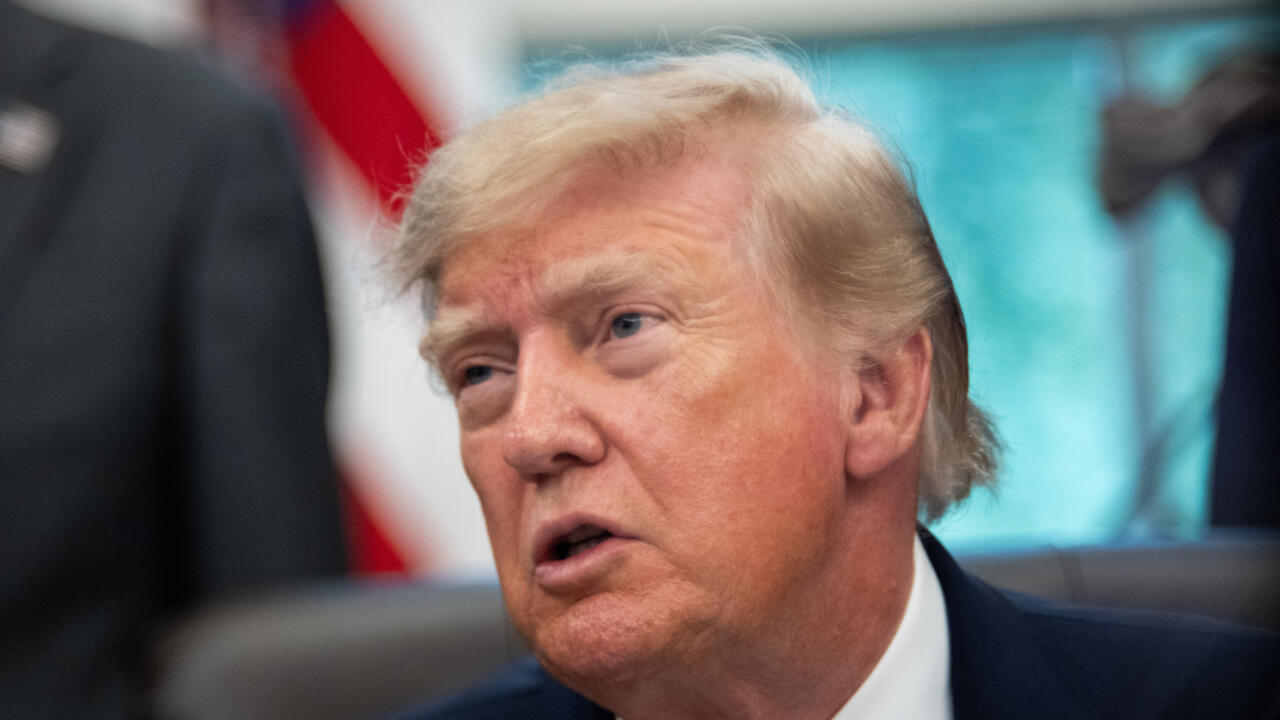
President Donald Trump has arrived in the Chinese capital for a two-day summit with President Xi Jinping, marking the first visit by a US leader since 2017. Amidst discussions on artificial intelligence and regional security, the resumption of soybean purchases remains a critical, albeit uncertain, pillar of the renewed bilateral relationship.
US President Donald Trump has arrived in Beijing for a two-day summit with Chinese President Xi Jinping, marking the first visit by a US leader to the Chinese capital since 2017. The meeting, originally scheduled for March but delayed following recent US and Israeli attacks on Iran, will focus on trade, artificial intelligence, semiconductors, and the conflict in Iran. The US delegation includes technology executives Elon Musk of Tesla, Tim Cook of Apple, and Jensen Huang of Nvidia, underscoring the technological stakes of the negotiations.
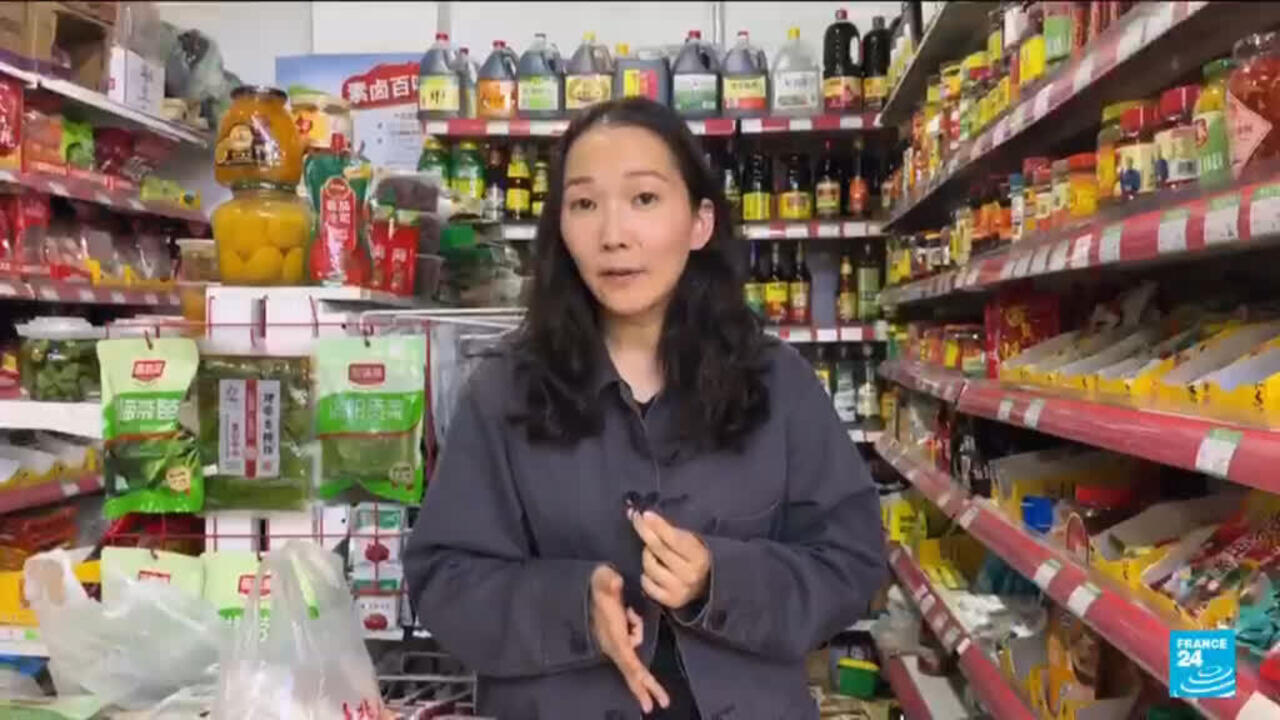
At the heart of the trade dispute between the United States and China remains the humble soybean. For decades, the US was China’s preferred soy supplier, with Beijing purchasing billions of dollars worth in 2024. However, following the launch of a trade war by Washington, Beijing ceased all purchases of US soy. This agricultural commodity has served as a barometer for the broader economic relationship between the two superpowers, with its trade status directly reflecting the political climate.
Since the truce reached between Xi Jinping and Donald Trump last October, China has resumed buying the commodity. This resumption of trade marks a significant shift from the previous period of total cessation. However, the longevity of this renewed soybean trade relationship remains uncertain, leaving market observers and policymakers questioning the durability of the current agricultural accord.
Beyond agriculture, the summit addresses complex geopolitical and technological issues. US Secretary of State Marco Rubio indicated that Taiwan would be a topic of conversation, with the aim of preventing tensions from escalating. The presence of major technology leaders suggests that discussions on semiconductors and artificial intelligence will be central to the agenda, reflecting the strategic competition in these sectors.
China has positioned itself as a potential peacemaker regarding the conflict in Iran, a region affected by recent US and Israeli military actions. Trump has described Xi as “relatively good” on the issue of Iran, though he insisted he did not need China’s help to end the conflict. The extent of China’s role in mediating the conflict remains unclear, but the diplomatic engagement highlights the multifaceted nature of the current summit.
As the two-day summit proceeds, the interplay between agricultural trade, technological competition, and regional security will define the outcomes. The resumption of soybean purchases offers a tentative sign of economic stabilization, but the broader implications for US-China relations will depend on the progress made in these other critical areas.