South Africa marks 70 years since women’s march amid deepening inequality crisis
President Cyril Ramaphosa acknowledges progress in representation but highlights wealth disparities, while Amnesty International cites a national disaster in violence and unemployment rates exceeding 40 per cent for Black African women.
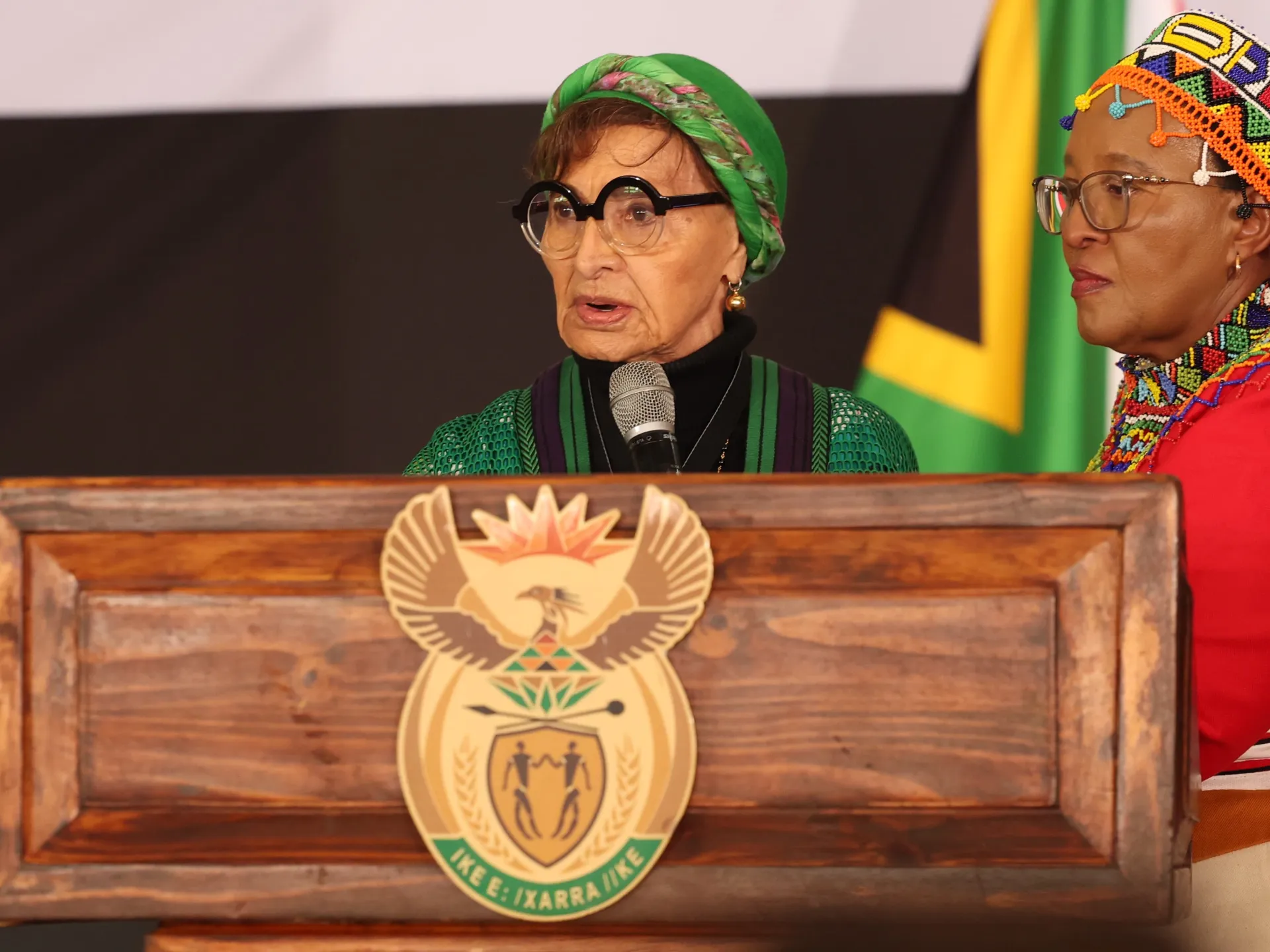
Seventy years after the historic 1956 march against pass laws, South Africa marked National Women’s Day in Pretoria with a stark assessment of the gap between political milestones and the daily realities facing women. President Cyril Ramaphosa acknowledged significant progress in political representation, including women holding senior roles in Parliament, the judiciary, and government, but emphasised that these gains have not translated into economic parity.
“Women are more than half of our population, but they do not yet hold an equal share of our country’s wealth, its land or its enterprises,” Ramaphosa said during the commemorations at the Union Buildings. The event, attended by 88-year-old march leader Sophie Williams-de Bruyn, served as a sombre reflection on how democratic freedoms have failed to secure economic opportunity or reliable public services for many women.
The tension between political advancement and lived experience was echoed by Cassandra Dorasamy of Amnesty International, who noted that while representation has improved, there has been no meaningful progress in the lives of the majority of women. Dorasamy highlighted a crisis of gender-based violence, which the National Disaster Management Centre classified as a national disaster in November 2025, citing systemic failures in reporting and justice processes that leave many survivors without recourse.
Police statistics for the first quarter of 2026 underscore the severity of the violence, recording 9,782 reported rapes and 12,590 sexual offences. Data indicates that 47.2 per cent of reported rapes occurred at the home of the victim or the perpetrator, averaging approximately 108 reported rapes per day. Rights groups argue that the disaster declaration is only a first step, as women continue to face exhaustion and dismissal when attempting to navigate the justice system.
Economic insecurity remains equally pervasive, with Statistics South Africa reporting a national unemployment rate of 32.7 per cent in the first quarter of 2026. Female unemployment stood at 36.4 per cent, significantly higher than the 29.6 per cent rate for men, and reached 40.5 per cent among Black African women. Labour force participation was also lower for women at 53.8 per cent compared to 65.6 per cent for men, with young women aged 15 to 24 disproportionately affected by exclusion from employment, education, and training.
Williams-de Bruyn, who led the original protest against the extension of pass laws to Black women, described contemporary women as prisoners in their own homes despite the end of apartheid. She cited poverty, homelessness, and systemic corruption as ongoing barriers, stating that the current reality does not reflect the freedom the marchers originally sought.
The commemorations also featured an international dimension with the attendance of Nobel Peace Prize winner Malala Yousafzai. Ramaphosa used the occasion to express solidarity with women and girls in Afghanistan, who face systematic exclusion from education and public life, drawing parallels between historical oppression and current global struggles for gender equality.