Oil prices surge near $90 as Strait of Hormuz talks stall amid renewed maritime attacks
The US Energy Information Administration forecasts Brent will average $87 a barrel in 2026, with production levels not recovering until 2027, as geopolitical tensions persist.
Oil prices have surged past the $90-a-barrel threshold, with Brent crude rising more than 2 per cent overnight into Wednesday, as renewed violence in the Middle East severely dampens prospects for the reopening of the Strait of Hormuz. The escalation follows a series of destabilising events, including missile attacks in the Bab al-Mandeb strait and direct US military intervention against a Panama-flagged vessel, underscoring the fragility of current diplomatic efforts.
Brent futures for October delivery stood at $89.61 as of 03:00 GMT, marking a significant increase of approximately 24 per cent since the onset of the US-Israel war on Iran in late February. The price trajectory reflects a market increasingly driven by risk premiums rather than supply fundamentals, as maritime traffic through the critical waterway remains at a fraction of pre-war levels.
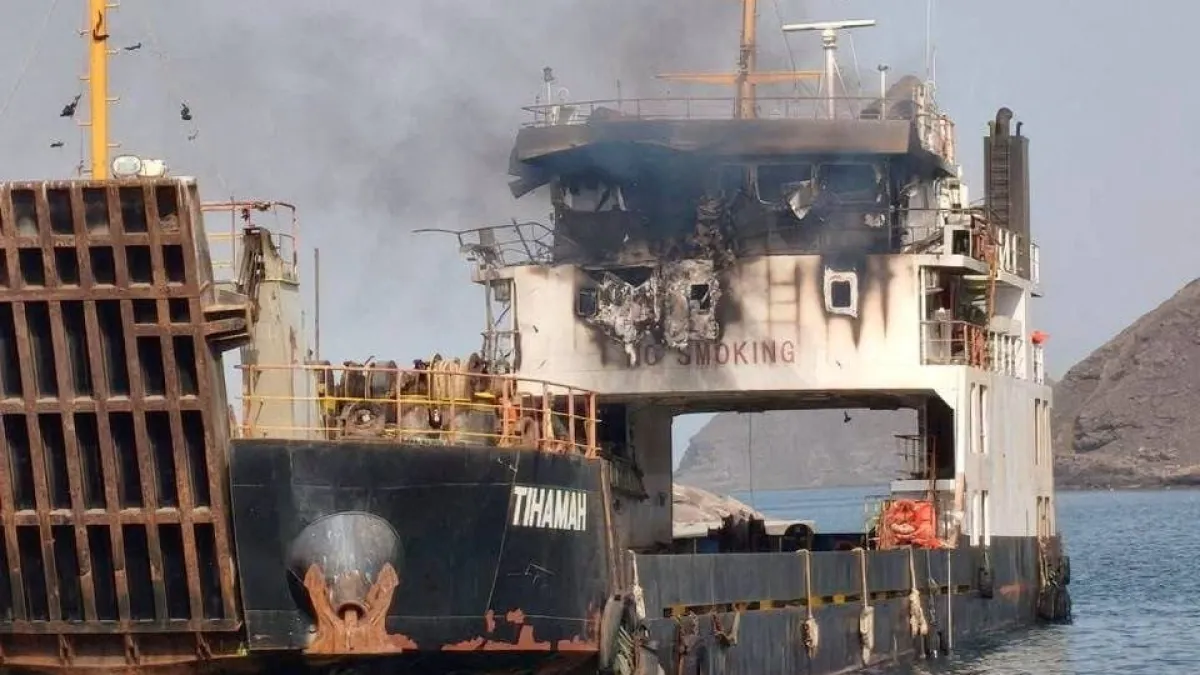
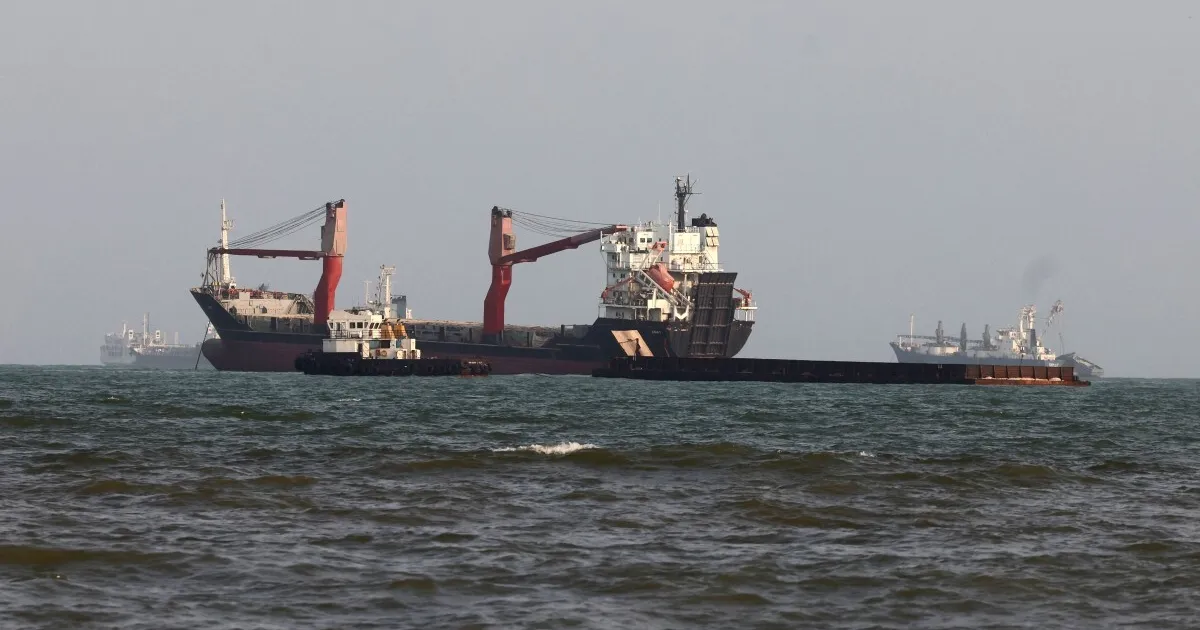
Tensions intensified on Tuesday when Yemen’s internationally recognised government accused Iran-aligned Houthis of killing six people in missile attacks on a commercial vessel in the Bab al-Mandeb strait. Yemen’s coastguard confirmed that the fatalities included two security force members deployed on a rescue mission. Later that day, US Central Command stated it had attacked and disabled a Panama-flagged cargo vessel after it attempted to breach the US blockade of Iranian ports.
Despite the violence, diplomatic channels remain active, albeit with conflicting interpretations. Qatar’s Foreign Ministry reported that talks between Oman and Iran regarding the strait were at an advanced stage, with Doha expressing a desire to see the waterway reopened as soon as possible. However, Iranian officials have insisted that the strait will remain closed until the US agrees to specific conditions, including war reparations and the lifting of sanctions, framing their negotiations with Oman as separate from the broader reopening issue.
US President Donald Trump claimed on Tuesday that Washington held total control over the strait, a assertion contradicted by maritime data showing only 10 vessels crossed the waterway on Monday compared to roughly 130 daily transits prior to the conflict. Tim Waterer, chief market analyst at Australia-based KCM Trade in Sydney, noted that early-month optimism is being replaced by a cautious stance as talks drag on without visible progress.
Looking ahead, the US Energy Information Administration released a market outlook on Tuesday forecasting that Brent oil will average $87 a barrel in 2026. The agency projected that Middle Eastern oil production would not return to near pre-conflict levels until early 2027. June Goh, senior oil market analyst at Sparta Commodities in Singapore, emphasised that OPEC crude production can only increase once normalcy is restored to flows through the Strait of Hormuz, suggesting prices will remain supported at the $85-90 per barrel level barring significant diplomatic breakthroughs.