Somalia displacement crisis deepens as aid flows contract
Mass displacement reported across Somalia as families lose livelihoods to prolonged drought, coinciding with a significant reduction in international assistance.
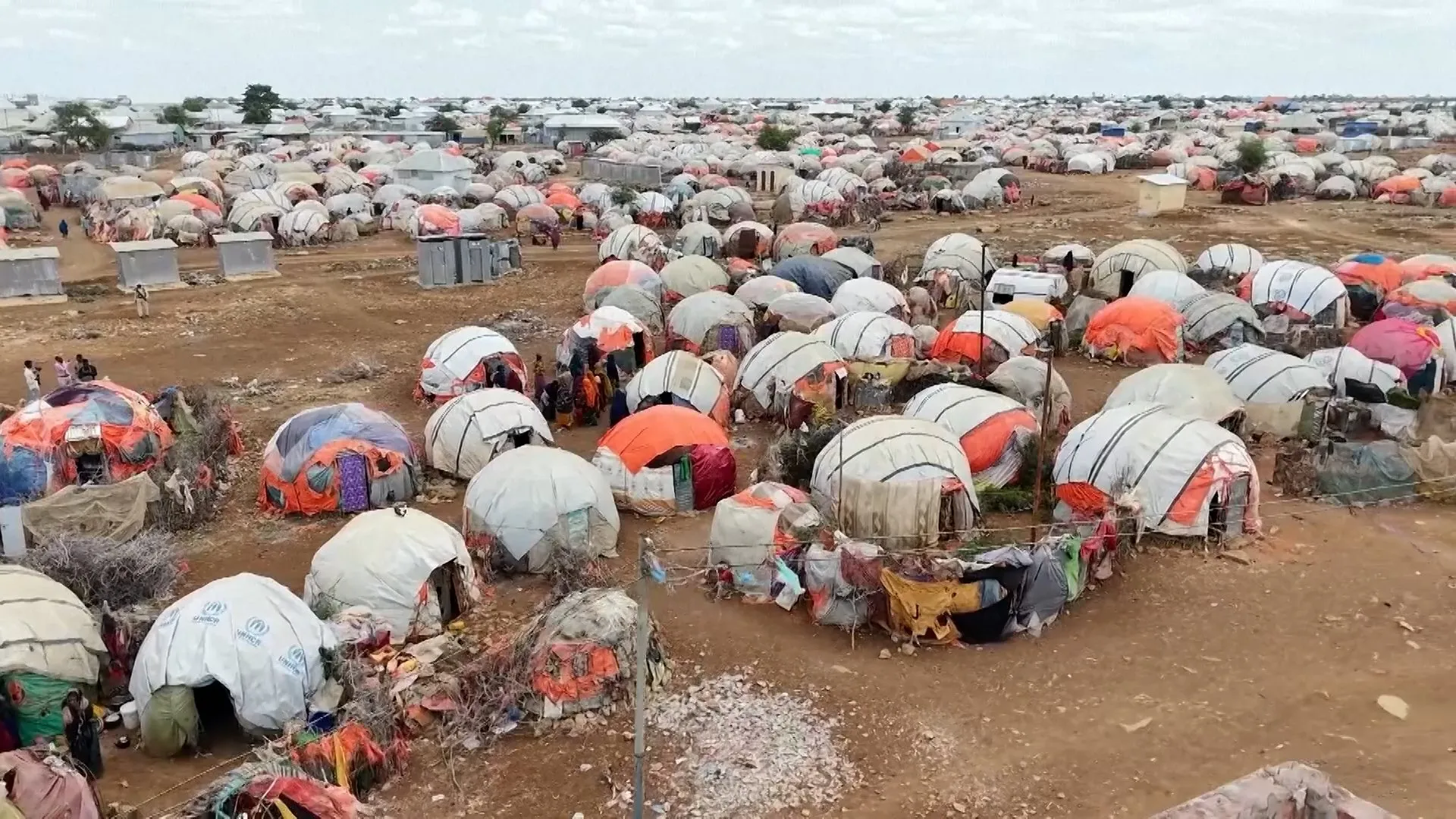
A worsening humanitarian situation in Somalia has triggered mass displacement as thousands of families are forced to flee their homes. According to a report by Al Jazeera Global News, the exodus is driven by a combination of prolonged environmental stress and a sharp decline in the availability of aid.
The displacement follows the loss of livestock and farms among hunger-stricken families in the region. The source material describes the drought as 'yearslong', indicating a persistent failure of agricultural systems that has eroded the economic base of affected communities. With their primary assets destroyed, many families have no choice but to migrate in search of survival.
The scale of the crisis is characterised by the movement of 'thousands' of people, though precise figures for the number of displaced persons remain unspecified in the current reporting. The loss of both livestock and farmland suggests a systemic collapse of rural livelihoods, pushing vulnerable populations into urban centres or across borders.
Compounding the environmental disaster is a noted contraction in humanitarian support. The report highlights a 'sharp decline in aid' as a critical factor exacerbating the crisis. This reduction in assistance limits the capacity to respond to the growing number of displaced individuals, potentially intensifying the severity of the humanitarian emergency.
While the exact causes behind the reduction in aid are not detailed in the available text, the correlation between the drop in resources and the surge in displacement is clear. The situation underscores the fragility of governance and support structures in the face of prolonged climate shocks.
The event has been categorised under security concerns with high confidence, reflecting the potential for instability arising from mass displacement and resource scarcity. The intersection of drought, hunger, and reduced aid presents a complex policy challenge for regional and international actors.
As the drought continues and aid levels remain low, the pressure on Somalia's infrastructure and social services is likely to increase. The current trajectory suggests a deepening crisis that requires sustained attention and coordinated policy responses to mitigate further displacement and humanitarian suffering.