Yemen fuel price hike signals broader inflation risk
A 10 per cent rise in petrol and diesel costs in Houthi-controlled areas is expected to cascade through food and service prices, deepening economic vulnerabilities in Yemen.
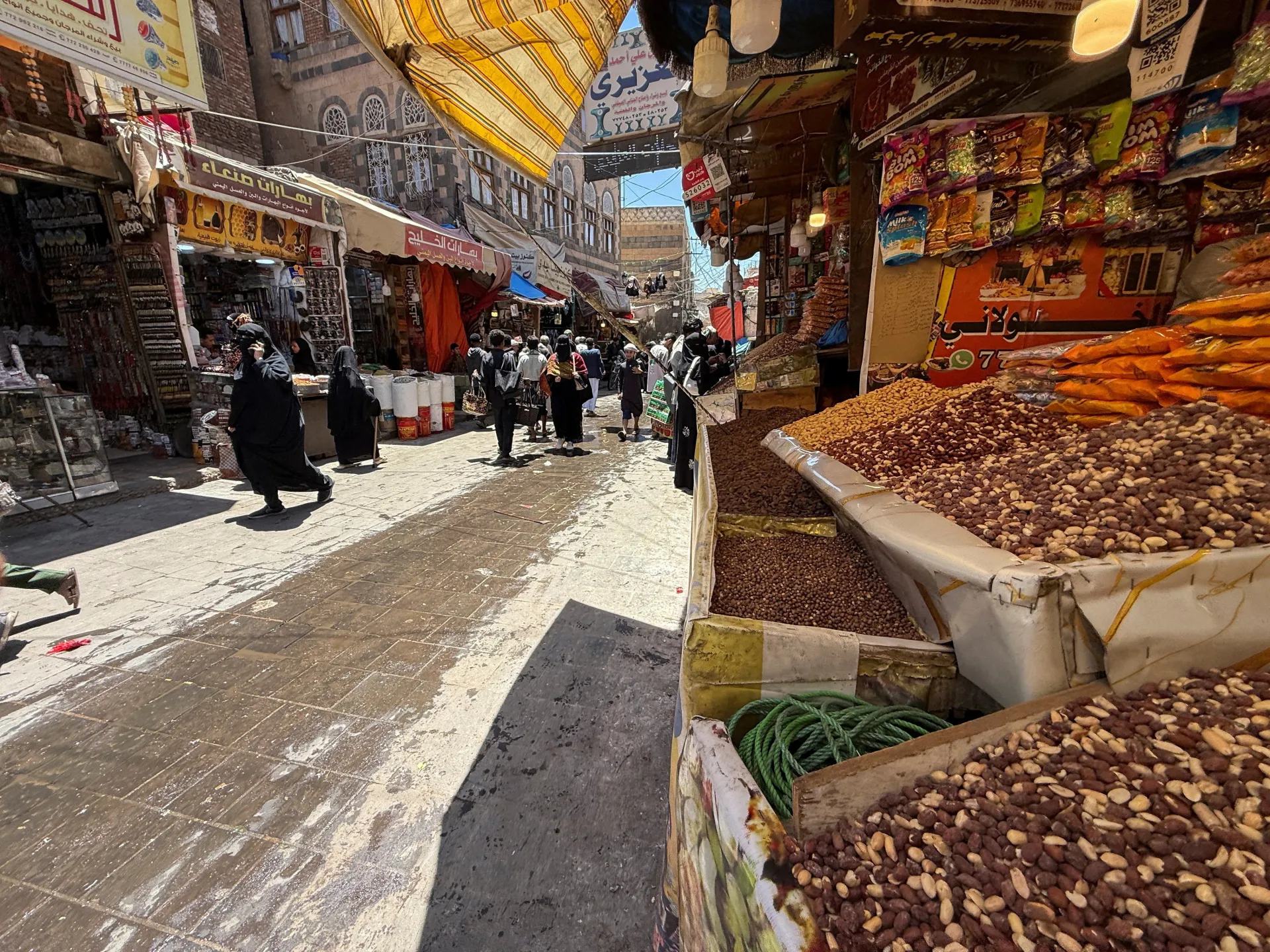
Houthi-controlled areas of Yemen have implemented a 10 per cent increase in petrol and diesel prices, marking the first adjustment in the region in approximately four years. The Houthi-run Yemen Petroleum Company announced the change on Monday, citing a global increase in fuel prices and promising the measure would be temporary. The price of petrol has risen from 4,750 to 5,250 Yemeni riyals, a shift that economic experts warn will trigger a cascading effect on the cost of living.
The adjustment comes against a backdrop of renewed regional conflict and domestic instability. The United States-Israel war on Iran has contributed to rising global oil prices this year, while the Houthis’ recent capture of Yemen’s southern Red Sea coast and subsequent attacks on Saudi Arabia have further exacerbated local supply issues. Fighting in Yemen reignited in July after a four-year period of relative calm, disrupting logistics and extending transport times for goods moving between the north and south of the country.
These logistical disruptions are directly impacting household budgets. Transport times for goods have extended from three days to up to a week as truckers avoid front lines, a trend reflected in the declining number of trucks arriving at the Nehm customs checkpoint in Sanaa governorate. For residents, the fuel hike is expected to drive up the price of essentials such as flour, rice, and cooking oil. A taxi driver in Sanaa reported that his monthly food expenditure is projected to rise from 75,000 to 85,000 Yemeni riyals as a direct result of the increase.
Wafiq Saleh, an economic researcher and executive director of the Taiz Centre for Yemeni-Gulf Studies, noted that petroleum products serve as intermediate inputs for a wide range of goods and services. Consequently, the 10 per cent rise in fuel prices is not expected to merely increase expenses by the same margin but will instead trigger a broader inflationary wave. Saleh identified agriculture, transport, and services as the most severely affected sectors, with rising costs driving up passenger fares and the prices of basic commodities.
The macroeconomic context remains fragile. An April report by the International Monetary Fund (IMF) highlighted that Yemen’s internal conflict has led to significant macroeconomic vulnerabilities, with more than half the population in urgent need of humanitarian assistance. The report noted widespread food insecurity and limited access to clean water, conditions that the new fuel price hike is likely to worsen.
The UN Refugee Agency (UNHCR) warned this week that ongoing violence threatens to trigger a humanitarian crisis as displacement pressures communities with limited resources. With small and medium-sized enterprises operating on narrow profit margins, many may be forced to pass increased costs on to consumers or cease operations entirely. The combination of rising fuel costs and disrupted supply chains suggests that the economic burden will fall heavily on the most vulnerable segments of Yemeni society.