US clears $24.3 billion F-35 sale to Saudi Arabia amid regional security shifts
The State Department has approved the sale of 48 stealth fighter jets to Riyadh, a move that requires Congressional sign-off and has raised concerns in Israel and among US lawmakers wary of technology transfer to China.
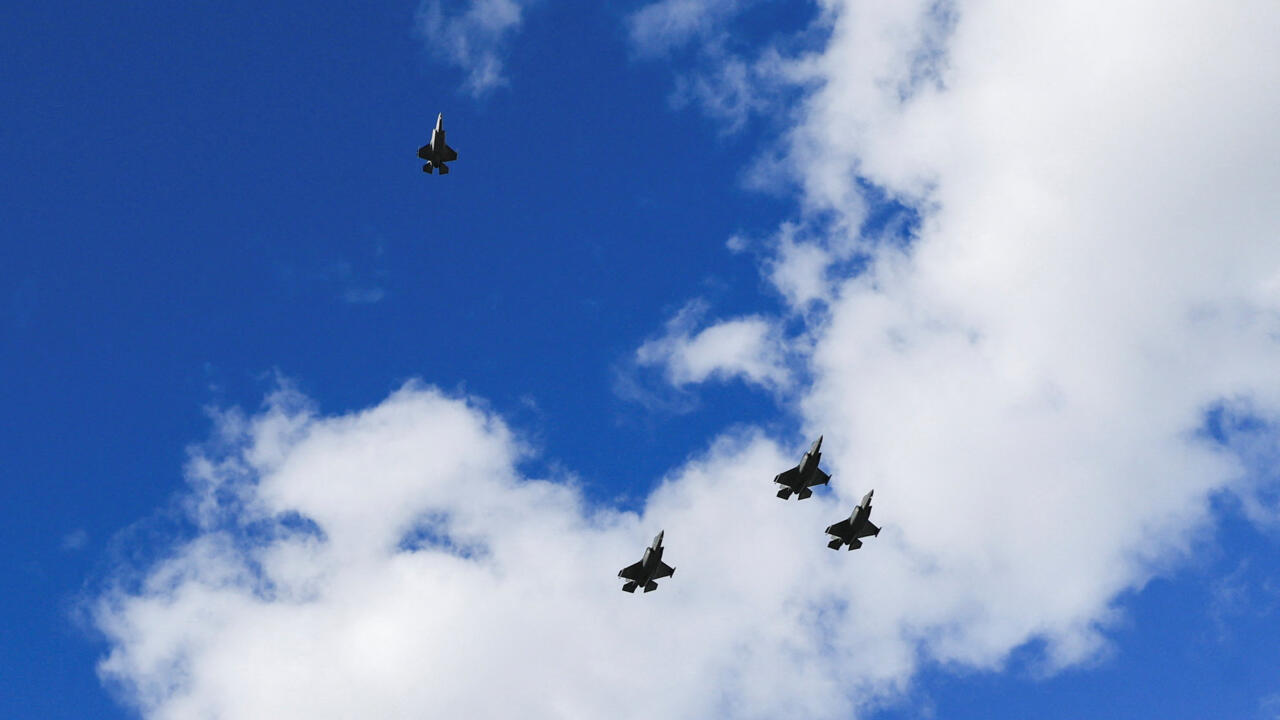
The United States State Department has approved a $24.3 billion sale of 48 F-35 stealth warplanes to Saudi Arabia, marking the kingdom's latest major arms acquisition since the start of the conflict with Iran. The department stated that the transaction is designed to bolster Saudi Arabia’s homeland defence capabilities and improve interoperability with US forces.
While the sale has been cleared by the executive branch, it now requires approval from US lawmakers. The State Department notified Congress of the proposed deal but did not specify a timeline for the delivery of the aircraft. The department maintained that the purchase would not alter the regional military balance, adhering to the longstanding policy that Israel retains a qualitative military edge over potential adversaries.
Israel, currently the only Middle Eastern nation operating the F-35, has voiced concerns about the sale despite ongoing efforts to normalise diplomatic relations with Riyadh. The tension is compounded by intelligence warnings that China could acquire sensitive F-35 technology through its partnerships with Saudi Arabia. US Representative Raja Krishnamoorthi, a member of the House Intelligence Committee, publicly opposed the deal, arguing it risks placing "the crown jewels of American military technology" within reach of Beijing.
The Saudi embassy in Washington praised the transaction, describing it as a reflection of the "strength and enduring nature" of the bilateral relationship. The embassy stated that security cooperation between the two nations has contributed to regional stability and advanced shared security interests.
The approval comes as Saudi Arabia faces repeated drone and missile strikes from Iran and Houthi rebels since the US and Israel launched a war against Iran in February. Fighting in Yemen reignited in July when the Houthis declared a maritime blockade of Saudi Arabia, targeting ships in the Red Sea. Although Washington has not directly entered the conflict, a US official noted that an American military task force is currently enhancing intelligence sharing and planning assistance for Saudi forces.
This F-35 deal follows a series of significant arms purchases by Riyadh earlier this year. In September, the US approved a $5 billion sale of more than 10,000 bombs, including 2,000-pound weapons. Other recent transactions include a $750 million deal for 60 tank engines and a $1.96 billion agreement in July for rocket guidance systems that convert rockets into precision weapons.