Sheinbaum refuses extradition of Mexican officials amid US-Mexico diplomatic impasse
The refusal marks a sharp departure from previous bilateral cooperation and has prompted threats of unilateral strikes from the Trump administration, deepening tensions over drug trade corruption.
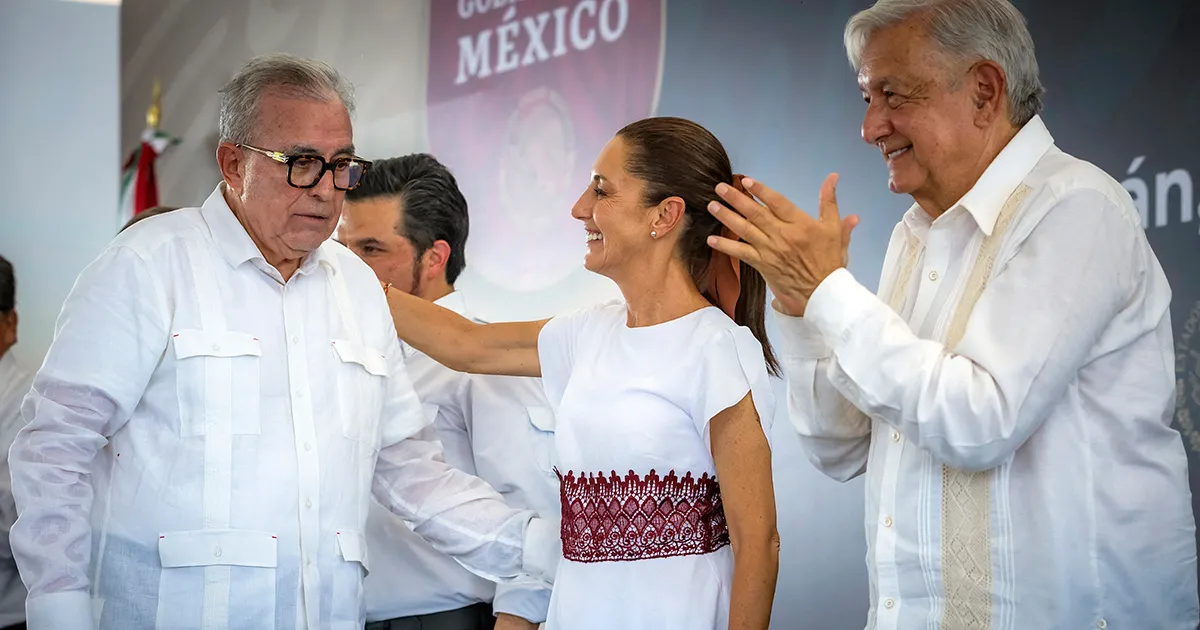
Mexican President Claudia Sheinbaum has formally refused requests from the United States to extradite ten current and former Mexican officials, including Sinaloa Governor Rubén Rocha Moya, who face federal indictments for drug corruption. The decision has triggered a significant diplomatic impasse with the Trump administration, which has threatened unilateral military strikes and economic penalties to combat drug trafficking. While Sheinbaum’s government has previously cooperated with US forces to dismantle drug labs and capture crime bosses, she cites insufficient evidence and alleged political interference as grounds for rejecting the extradition requests.
The indictments, announced on April 29 in a New York federal court, allege that Governor Rocha allowed drug cartels to operate with impunity in exchange for electoral support and bribes. Specific allegations include Rocha meeting with leaders of the Chapitos, the sons of Joaquín Guzmán Loera, allowing them to name corrupt law enforcement officials, and warning them of US-supported law enforcement operations. Rocha has denied the allegations, but prosecutors state he facilitated cartel operations and took bribes from his aides.
Former President Andrés Manuel López Obrador has publicly supported Sheinbaum’s stance, accusing US officials of attempting to undermine her leftist political party, the National Regeneration Movement (Morena). López Obrador claimed that US officials were using drug corruption as a pretext to weaken Morena and strengthen the rightist opposition in Mexico. Sheinbaum has accused Washington of egregious meddling in Mexico’s affairs, stating that dictating guilt from abroad constitutes interference rather than cooperation.
In response to the indictments, former Sinaloa Secretary of Public Safety Gerardo Mérida turned himself in to US marshals on May 11 and may cooperate with prosecutors in return for leniency. A second suspect, former Sinaloa finance secretary Enrique Díaz Vega, is believed to have also surrendered to US authorities, though this is unconfirmed. DEA Administrator Terrance C. Cole stated that the prosecution of Mexican corruption is just the start, signalling that the US Justice Department intends to pursue high-level corruption cases aggressively.
The impasse presents a critical test for the Trump administration’s aims in Mexico. While some diplomatic and intelligence officials are wary of pushing Sheinbaum too hard, fearing she might scale back anti-narcotics cooperation, the administration has escalated its rhetoric. Sheinbaum has suggested she could reduce cooperation if pushed too hard on the Rocha case, a tactic that previously yielded concessions from the Biden administration but may not work with the current US leadership, which has shown less willingness to prioritise Mexico’s stability above other interests.