Seoul lodges formal complaint over North Korean fortifications along DMZ
Officials allege that Pyongyang’s construction of fences, anti-tank berms, and minefields may breach the 1953 armistice, while experts warn the North is testing boundaries with backing from Moscow and Beijing.
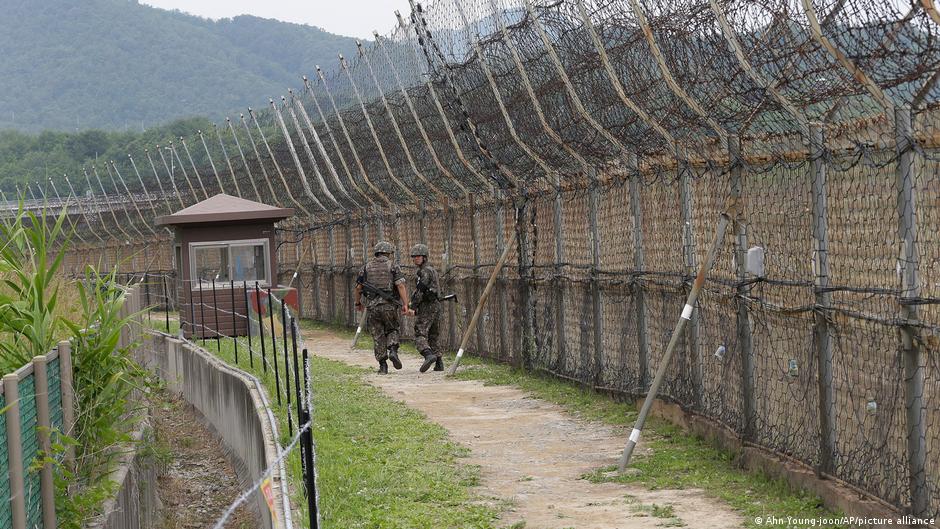
South Korea has formally raised concerns with the United Nations Command (UNC) regarding North Korean engineering activity along the Demilitarised Zone (DMZ). Seoul alleges that Pyongyang’s troops have constructed fences, anti-tank berms, ditches, and minefields within 100 metres of the Military Demarcation Line (MDL), potentially breaching the 1953 Armistice Agreement. The UNC is investigating reports that some infrastructure may have crossed the MDL or that mines were emplaced on the South Korean side, which would constitute an automatic violation.
The South Korean Defence Ministry expressed these concerns during a meeting with the UNC in late June. North Korean engineering troops have been active since approximately April 2024, carrying out work such as clearing land, building military roads, and laying new minefields on the North’s side of the MDL. The UNC confirmed it is still investigating specific reports of fence crossings and mine emplacement south of the line.
In a fact sheet published on 23 June, the UNC stated that while construction of roads and fences is permitted north of the MDL, emplacing mines south of the line is an automatic violation. The command noted that activities must be assessed based on specific facts and circumstances, adding that there have been no indications of the North bringing heavy weapons or drone capabilities into the DMZ.
South Korean Defence Ministry spokesperson Chung Binna stated that adding military capabilities so close to the MDL effectively neutralises the zone’s function as a buffer. Experts suggest North Korea is testing boundaries, emboldened by its strengthened alliance with Russia and support from China. Pyongyang has redefined its relationship with South Korea, viewing them as "two hostile countries and two belligerents at war" rather than seeking reunification.
Choo Jae-woo, a professor of foreign policy at Kyung Hee University, told Deutsche Welle that Pyongyang feels it can push limits due to support from Moscow and Beijing. Dan Pinkston, a professor of international relations at Troy University, noted that North Korea appears to be learning from China’s incremental territorial expansion, though he confirmed that current reports do not yet constitute a breach of the agreement.