Security architecture under strain: timeline of intrusions and assaults on Trump administration
Authorities confirm Cole Tomas Allen was arrested at the Washington Hilton, but questions remain regarding the specificity of his intent amidst a broader history of security failures.
A recent armed intrusion at the White House Correspondents' Dinner has intensified scrutiny on the security protocols surrounding the US president. The incident occurred at the Washington Hilton hotel in Washington, D.C., where an armed man stormed the lobby and opened fire, prompting the immediate evacuation of Donald Trump and top White House officials. Acting Attorney General Todd Blanche confirmed that charges would be filed shortly following the event, though it remains unclear whether the suspect specifically targeted the president.
The individual responsible for the breach has been identified as Cole Tomas Allen, a 31-year-old teacher and private instructor from Torrance, California. Allen was taken into custody by authorities at the scene of the attack. Reports indicate he was armed with both a shotgun and a handgun. His arrest marks the culmination of a Saturday night event that saw significant disruption to the annual media gala, highlighting persistent vulnerabilities in the perimeter security of high-profile venues.
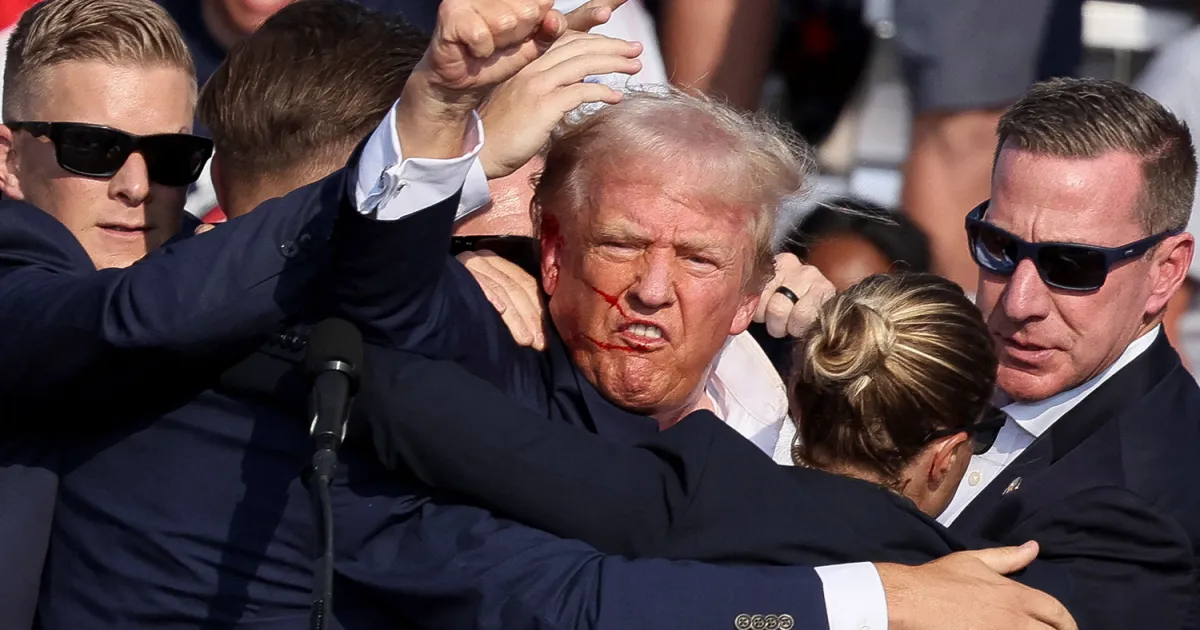
The Washington Hilton holds a distinct place in the history of presidential security incidents, having previously hosted the 1981 attempted assassination of Ronald Reagan. This location has also been the site of multiple security breaches involving Donald Trump, including a shooting at a campaign rally in Butler County, Pennsylvania, in July 2024 where the president was injured. The recurrence of threats at this specific venue suggests a pattern that institutional security planners are now compelled to address.
Broader analysis of the timeline reveals a series of escalating security incidents involving the former and current president. These include an attack at Trump's West Palm Springs golf course in September 2024, where suspect Ryan Wesley Routh was convicted of plotting to kill the president and sentenced to life in prison in February. Additionally, other breaches have included a man impersonating security at the Ryder Cup and a vehicle crash at Mar-a-Lago involving Austin Tucker Martin.
Despite the identification of suspects and the filing of charges, critical uncertainties persist regarding the strategic intent behind these attacks. It is not clear if Cole Tomas Allen was planning to target Donald Trump specifically or if the attack was a random act of violence. Similarly, the motives behind the Mar-a-Lago incident involving Austin Tucker Martin remain undefined, even as his family reported him missing. These gaps in understanding the adversary's objectives complicate the development of a comprehensive counter-strategy.
The Federal Bureau of Investigation and the Secret Service continue to lead the investigation into these coordinated failures. While the immediate threat has been neutralised with Allen in custody, the institutional response must now focus on why these breaches occurred across different settings, from golf courses to diplomatic dinners. The convergence of these events demands a rigorous review of how the administration manages risk in an environment where the frequency of assassination attempts has become a defining feature of the political landscape.